







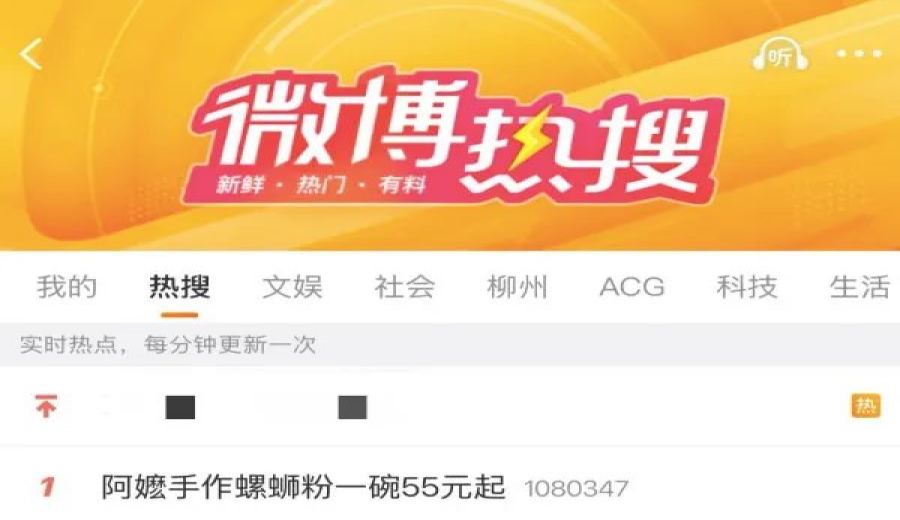
Introduction:The parent company of Guangxi’s well-known tea beverage brand "A Ma Shou Zuo" has invested in a Liuzhou snail noodle shop located in Shanghai’s Xintiandi. During its trial period, the pricing of one bowl at 55 yuan sparked heated discussion online, with netizens sharing receipts of high spending. Opinions diverged between those in Guangxi and Shanghai. What exactly makes this bowl of snail noodles so expensive? How did the brand respond to controversies such as additional charges for extra noodles and brand ownership? This article outlines the full sequence of events to help you understand the market strategy and consumer feedback behind the premium pricing.
In recent years, chain tea beverage brands have not only focused on milk tea products but have also actively expanded into side businesses—some have entered the snack market, others have launched merchandise, and some have even ventured directly into the foodservice industry, competing with traditional restaurants. Amid this wave of cross-industry expansion, the parent company of the popular Guangxi-based tea beverage brand "A Ma Shou Zuo" recently invested in a Liuzhou snail noodle shop in Shanghai’s Xintiandi. During its trial run, the 55-yuan price tag became a trending topic online, drawing widespread consumer attention.
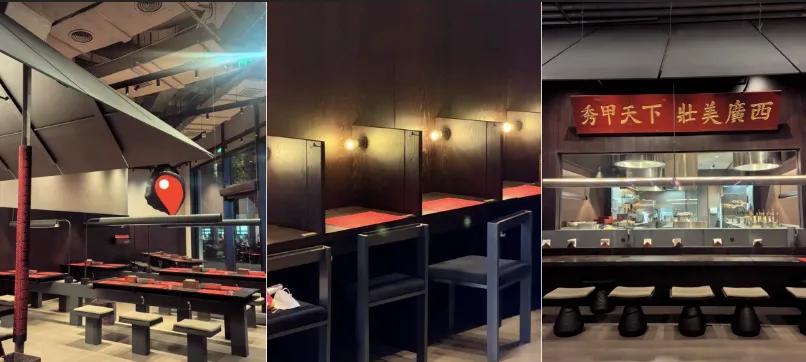
In fact, as early as last year, there were reports that the parent company of A Ma Shou Zuo planned to launch a snail noodle shop in Shanghai called "Luo Shi (鑼獅)." Now, what was once just an online rumor has officially set up shop in Shanghai’s Xintiandi. The store features a minimalist and refined interior design, a far cry from the typical street-side snail noodle stalls. Backed by the reputation of the parent brand, the shop attracted many customers eager to try it out upon opening.
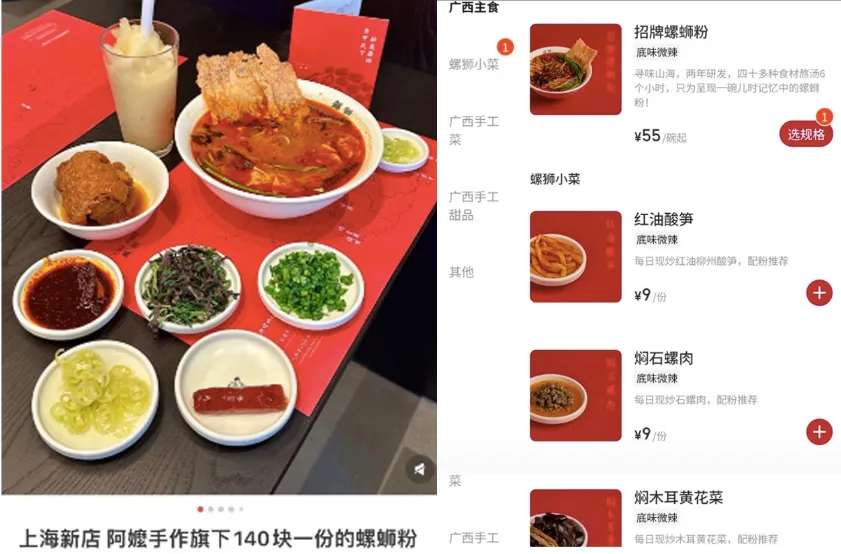
However, many customers who made special trips shared their bills on social media. Some reported spending 140 yuan in a single meal, while others posted receipts showing a total of 392 yuan for three people. They pointed out that the shop’s signature product—snail noodle soup—is priced at55 yuanper bowl, with additional charges for sides or refills, leaving many consumers feeling the cost was hard to justify.
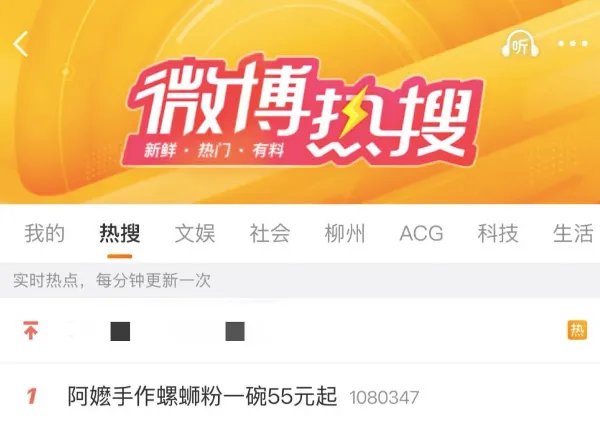
Faced with such prices, many local netizens from Guangxi expressed disbelief. Citing local pricing, they noted that a bowl of snail noodles typically costs just over ten yuan. In their view, the 55-yuan price is not only steep but also “sets a new upper limit for snail noodle pricing.” However, some consumers argued that given the shop’s location in high-rent Xintiandi, the elevated operational costs make slightly higher pricing understandable—as long as the product quality and dining experience match the price, it may be acceptable.
As online discussions intensified, the brand officially responded to consumer concerns on February 4. Regarding the controversy over “additional charges for refills,” the brand clarified that there is no policy for charging extra for refill noodles. On the first day of the trial operation, staff unfamiliarity with the process led to miscommunication with customers, which sparked unnecessary disputes.
Furthermore, concerning the claim that “A Ma Shou Zuo has launched a premium snail noodle brand,” the brand specifically stated that although the snail noodle shop "Luo Shi" received investment from the parent company of A Ma Shou Zuo—Guangxi Shouzuo Xingcun Catering Management Co., Ltd.—the two operate independently, with “separate execution teams” and are not a subsidiary of A Ma Shou Zuo. In other words, it is a newly established dining business backed by the tea beverage brand's parent company, not a direct extension of the brand.
As for the most discussed question—"Why does a bowl of snail noodles cost 55 yuan?"—staff at the store explained that all broths and ingredients used are freshly prepared daily. They emphasized that higher standards are applied in terms of ingredient quality, material selection, and overall dish design, resulting in increased costs. This explanation indirectly sheds light on the rationale behind the pricing strategy.
As of now, the snail noodle shop has an average rating of3.6 starson third-party delivery and review platforms, with over 30% of reviews falling in the mid-to-low score range. The online store homepage only displays the menu and customer recommendations, but the specific prices of items are no longer publicly shown. Consumers need to click further or visit the store to find out detailed pricing information.
This pricing controversy sparked by a single bowl of snail noodles not only highlights differences in consumer sensitivity to price but also reflects the challenges brands face when entering new foodservice sectors—balancing cost, positioning, and consumer expectations. For those interested in trying snail noodles, whether seeking authentic flavors or a premium dining experience, it is advisable to compare options thoroughly before deciding if they fit your budget and expectations.
The above content is compiled by CoffeeHunters, a coffee news website.


