








Introduction:Although Flat Red and Flat White sound similar, they are actually two completely different types of coffee drinks. Flat White is a classic Australian milk coffee, while Flat Red is an innovative drink originating from Ukraine that combines espresso with freshly squeezed juice, offering flavors reminiscent of red wine. This article delves into the origins, ingredient ratios, and preparation details of Flat Red, along with practical brewing tips and flavor characteristics, helping you easily master the brewing techniques of this unique coffee.
Although Flat Red and Flat White may sound alike, their preparation methods and taste profiles are actually quite distinct. Flat White is the well-known popular milk coffee from Australia, made with espresso and steamed milk with a thin layer of microfoam. In contrast, Flat Red originates from Ukraine and is a creative coffee that blends espresso with freshly squeezed juice, resulting in a unique flavor profile with even hints of aroma and color akin to red wine.
 This coffee, known as Flat Red, is a completely different type of beverage despite having only one character difference in name compared to Flat White. The common "Flat White" refers to the combination of espresso and milk originating from Australia, while Flat Red takes a completely different approach — it incorporates freshly squeezed juice into the espresso, ultimately yielding a flavor and color reminiscent of a warm glass of red wine.
Interestingly, although Flat White is affectionately referred to as "Australian White" due to its Australian origins, you can't simply call Flat Red "Ukrainian Red" in the same way. This innovative coffee hails from Ukraine and was developed by local baristas aiming to create a beverage with local character. Its inspiration comes from Ukrainians’ love for wine, so the goal was to craft a non-alcoholic specialty coffee that looks, tastes, and feels like red wine.
 The creation of Flat Red actually stems from an innovative story. According to its founder, Vadym Granovskiy, his initial aim was to develop a distinctive coffee that could represent Ukrainian drinking culture. The local fondness for red wine naturally became the source of inspiration. Thus, he decided to replace alcohol with juice, attempting to brew a coffee drink that resembles both the color and flavor of red wine.
After experimenting with various juice combinations, Vadym initially favored blood orange juice due to its bright red color and good compatibility with coffee. However, actual testing revealed that the astringency of blood orange juice became more pronounced when mixed with coffee, negatively impacting the overall taste. So he adjusted his strategy, switching to regular orange juice as the base and adding an appropriate amount of pomegranate juice. This not only successfully achieved a color close to that of red wine but also delivered a smoother and less astringent sweet-and-sour balance.
If you’d like to try making this juice-infused specialty coffee at home, the required ingredients are actually very simple: espresso, freshly squeezed orange juice, and freshly squeezed pomegranate juice. If fresh juice isn’t available, high-quality commercially available juices are also a good alternative. The ratio of juices can be adjusted according to personal taste — if you prefer more acidity, increase the proportion of orange juice; if you want a sweeter and smoother flavor, increase the pomegranate juice. Based on practical experience, it’s recommended to use a juice ratio of 1:2, such as 60ml of orange juice paired with 120ml of pomegranate juice, and you can preheat the mixed juice to around 55°C to help bring out a richer aroma.
 For the espresso part, it’s recommended to choose coffee beans with a medium roast level — an overly dark roast might make the overall flavor too heavy, creating a disconnect with the freshness of the juice. Medium-to-medium-dark roast beans with fruity flavor notes are ideal. For example, using an Espresso bean with strawberry candy flavor can bring out layers of strawberry, citrus, and cream. The suggested extraction parameters are 20 grams of coffee grounds, a 30-second extraction time, yielding about 40 milliliters of espresso. This extraction method fully showcases the coffee’s fruit acidity and sweetness.
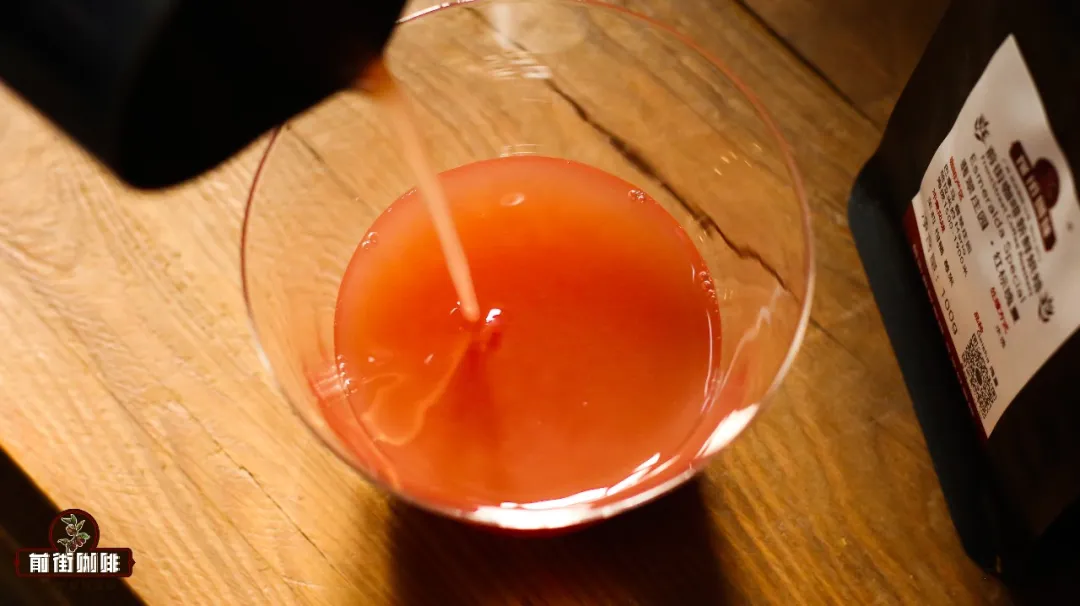
Once all ingredients are ready, the next step is assembly. Pour the preheated mixed juice into the cup, followed by the extracted espresso, or adjust the order based on personal preference — the sequence of pouring can also affect the visual layering. After pouring, gently stir, and your Flat Red, with its aroma of red wine and juice-like mouthfeel, is ready to enjoy. The overall flavor begins with the fruity notes of pomegranate, followed by the freshness of the orange juice, and ends with the richness and layered complexity of the espresso, achieving a balanced sweet-and-sour profile with a full-bodied mouthfeel.
It’s worth mentioning that when the warm juice and espresso are combined in this coffee, they emit a complex aroma reminiscent of fermented wine, giving the illusion of sipping a warm glass of red wine — yet without any alcohol content, making it perfect for coffee lovers who enjoy the combination of juice-like flavors with coffee. If you’re familiar with the flavor of an Orange C Americano, Flat Red will offer you an even more immersive juice experience.
The above content is compiled by CoffeeHunters, a coffee news website.


