








Introduction:SOE (Single Origin Espresso) and Dirty (layered espresso milk coffee) have been two of the most talked-about coffee combinations in recent years, yet many coffee enthusiasts still have only a vague understanding of their characteristics and pairing principles. This article delves into the fundamental differences between SOE and Dirty, explores how single-origin beans differ from blends in flavor expression, and explains the flexibility Dirty offers in coffee bean selection. Additionally, it highlights three recommended single-origin beans ideal for making Dirty, providing detailed extraction parameters and tasting suggestions to help you craft a richly layered coffee experience with ease.
SOE and Dirty have consistently enjoyed high popularity in the coffee community, but the concepts, characteristics, and reasons why they are often seen as a perfect match remain questions for many coffee lovers. Starting with definitions, this article analyzes the essence of SOE (Single Origin Espresso) and Dirty (layered espresso milk coffee), compares the flavor presentation differences between single-origin and blended beans, and explains why Dirty allows more flexibility in bean selection. It also specially recommends three single-origin beans suitable for making Dirty — including Yirgacheffe Guddina, Boundary Line Estate Sidamo, and PWN Golden Mandheling — along with practical extraction parameters and tasting notes, enabling you to brew a distinctly layered SOE Dirty at home.
When it comes to SOE and Dirty, many coffee enthusiasts are no strangers. The full name of SOE is Single Origin Espresso, referring to espresso extracted using beans from a single origin or region; whereas Dirty is a type of espresso milk coffee that combines espresso and milk while presenting a clear layered effect. When consumed in one sip, you can simultaneously feel the strong contrast between the milk and espresso in terms of flavor and temperature. Since the first taste on the palate is the espresso, the initial impression is its richness and warmth, followed swiftly by the sweetness and coolness of the milk, creating a striking layered sensation.
Many believe these two types of coffee are particularly well-matched, mainly because they "each play their role." Why are SOE and Dirty considered a perfect pair? Simply put, SOE is an espresso made from single-origin beans, which means beans sourced from the same producing area. Compared to blends, the biggest characteristic of single-origin beans is their ability to clearly express the unique flavors of their origin, without interference from beans of other regions. Therefore, if you want to deeply experience the flavor characteristics of a specific region, single-origin coffee or SOE is an excellent choice.
The uniqueness of Dirty lies in its semi-separated state of espresso and milk, which do not fully blend — unlike common milk coffees such as lattes or cappuccinos that require careful consideration of harmony between coffee and milk. Instead, Dirty has higher “malleability.” At the same time, due to the distinct contrast in flavor and temperature between coffee and milk, the two can complement each other, enhancing the overall flavor profile. When using SOE to make Dirty, there’s no need to worry about the beans being too lightly roasted and conflicting with the milk; instead, the milk’s sweetness can further highlight the characteristics of the coffee, making the overall flavor even more vivid.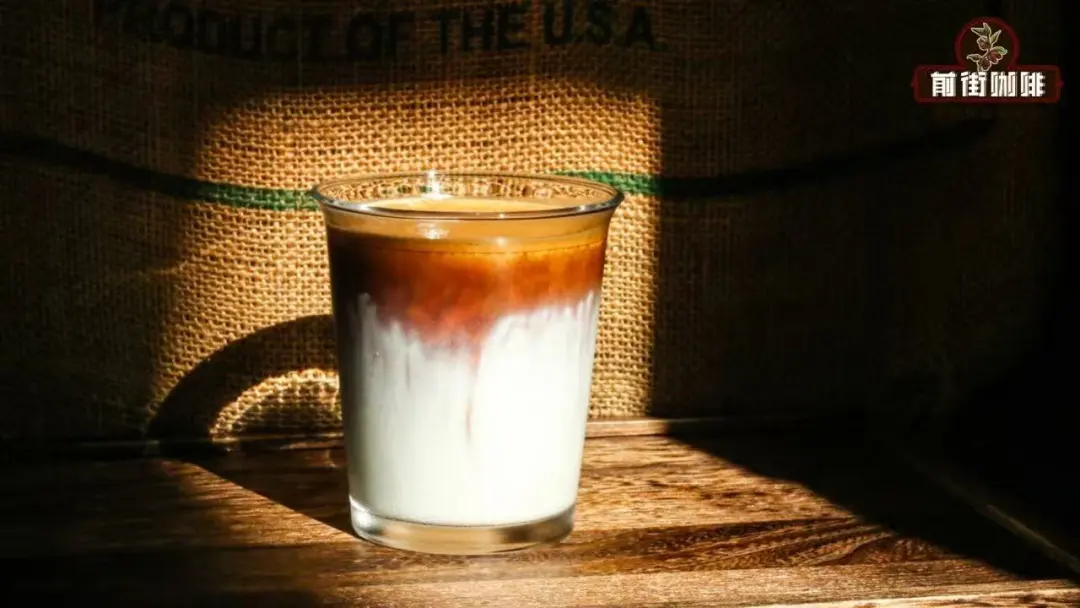
Therefore, compared to other milk coffees, Dirty is not only more forgiving in coffee bean selection, but also better showcases the personality of SOE, while Dirty takes on a completely different character thanks to the inclusion of SOE. This is why SOE and Dirty are often seen as a perfect match. If you want to try making Dirty with SOE, the following three single-origin beans are highly recommended.
First up is the Yirgacheffe Guddina from a well-known coffee shop. This bean has recently received widespread praise and delivers outstanding performance. The SOE brewed from it tends to have a bright acidity and a refreshing mouthfeel, but when used in milk coffees like lattes or cappuccinos, its distinctive features can be easily masked by the milk’s flavor. However, when made into Dirty, because the milk and coffee remain in a layered state, the coffee’s flavors can be presented more fully.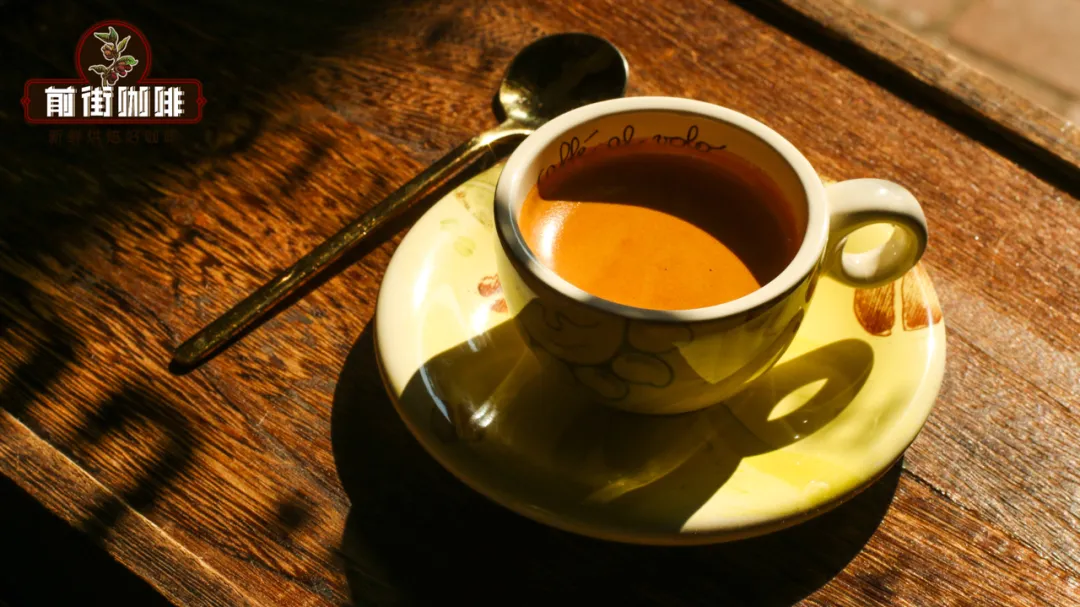
The recommended extraction parameters are 20 grams of coffee grounds, a 1:2 coffee-to-water ratio, an extraction time of around 30 seconds, paired with 160 milliliters of milk. This yields a Dirty that, when taken in a big sip, greets you first with bright citrus, white flower, and berry aromas, slightly acidic, but is then quickly enveloped by the sweetness and coolness of the milk, resulting in a harmonious and refreshing taste experience.
The second recommendation is the Boundary Line Estate Sidamo from a well-known coffee shop. The Dirty made from this bean also performs exceptionally well, and is even suitable for other coffee drinks. Its extraction parameters are the same as those for Guddina: 20 grams of coffee grounds to yield 40 milliliters of espresso, over 30 seconds, paired with 160 milliliters of milk.
The Dirty made with Sidamo delivers an immediate burst of rich aromas including grape, passionfruit, chocolate, and apricot upon the first sip. With a medium roast level, the acidity is not intense. Once the milk enters your mouth, it quickly melds with the espresso, producing an enchanting grape milk-like flavor that is very popular.
Finally, we recommend the PWN Golden Mandheling from a well-known coffee shop. Although Dirty is quite forgiving in terms of coffee and milk pairing, some people simply don’t prefer coffee with prominent acidity. In this case, this dark-roasted single-origin bean is the ideal choice.
PWN Golden Mandheling is dark roasted, exuding a rich roasted aroma. The brewed coffee has almost no perceivable acidity, with excellent overall balance. Its flavor is dominated by deep chocolate, spices, pine, nuts, and creamy notes, with a strong and long-lasting aftertaste. The Dirty made with it offers a striking flavor contrast, is very smooth, and is especially suitable for coffee lovers who dislike acidity.

The above content is compiled by CoffeeHunters, a coffee news website.


