








Introduction:To craft a latte with delicate taste and beautiful latte art, the quality of the milk foam is key. This article delves into the ideal level of milk foam texture, analyzes common causes of issues like burnt lines and defoaming, and explores how foam thickness, fineness, and stability impact latte art performance and coffee flavor. With practical parameters and step-by-step reminders, help you master milk foam handling techniques precisely and elevate your overall coffee quality.
The quality of milk foam has a far greater impact on the overall performance of a latte than one might expect. It not only directly determines the clarity and beauty of the latte art design, but also affects the mouthfeel and flavor release when drinking the coffee. When the milk foam is finely and evenly textured, the latte art lines flow more smoothly and the taste is smoother; conversely, coarse or overly thick foam not only tends to produce burnt lines and rapid defoaming, but also severely impacts the drinking experience. Next, we’ll break down how to create the ideal milk foam suitable for latte art from the aspects of foam thickness, fineness, and stability.
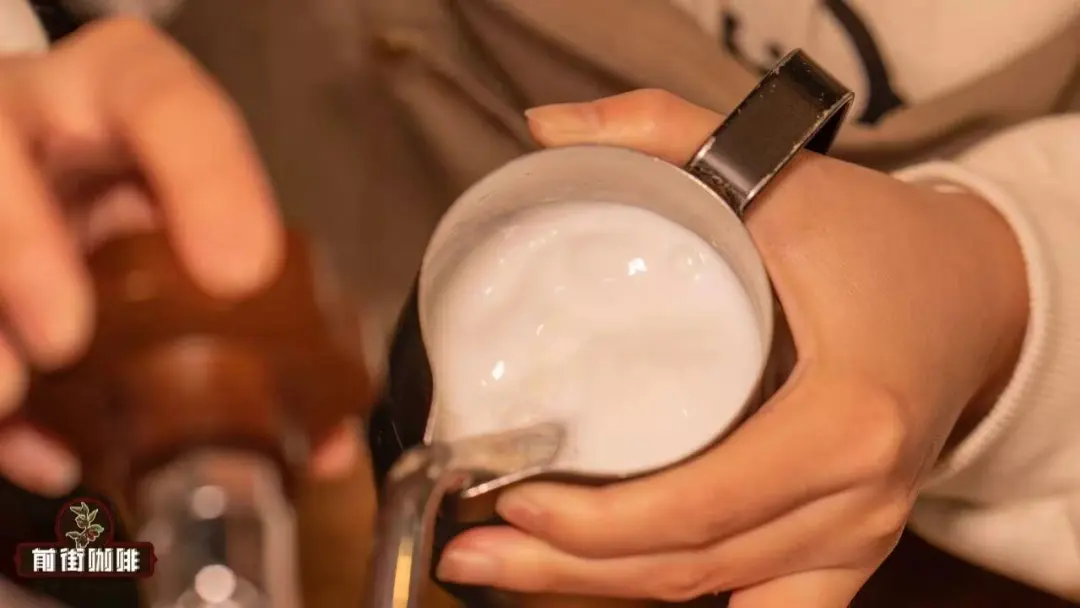
In fact, the quality of milk foam not only relates to the aesthetics of the latte art, but also influences consumer choice on a psychological level. Finely smooth milk foam not only looks more attractive, but can also stimulate the desire to drink. Place two lattes side by side — even before tasting, people usually tend to choose the one with more refined latte art and better visual appeal. This is the first layer of impact that milk foam has on the overall coffee drinking experience — visual appeal.

Turning to actual mouthfeel, the thickness of the milk foam significantly affects how the coffee feels in the mouth. When the surface layer of foam is thinner, it generally feels smoother upon drinking, because there is less air in the foam, allowing the fat in the milk to directly contact the tongue surface, creating a silky mouthfeel. This smooth sensation extends throughout the entire cup, enhancing overall drinking satisfaction.
Conversely, when the foam layer is thicker, the mouthfeel becomes more velvety and light. This is because the foaming process injects a large amount of air, causing the foam to expand in volume and become fluffy in texture. While such foam can bring a certain textural enjoyment, if not well controlled, an overly thick foam layer can easily throw off the balance of the whole drink or even mask the aroma and layers of the coffee itself.
It’s worth noting that the above discussion assumes the milk foam is finely textured. If the foam is too coarse, regardless of thickness, it will cause discomfort when drinking. Coarse foam not only feels unpleasant, but also blends poorly with the coffee liquid, often leading to blurred latte art patterns, a messy background, and even problematic burnt lines and rapid defoaming.

Looking further at the actual drinking experience, the effects of poor-quality milk foam become even more apparent. Due to uneven blending, the flavor difference between the foam and the coffee liquid can be extreme, possibly resulting in one side being overly strong and the other bland. Such contrast not only impairs the overall flavor expression but also reduces drinking pleasure. Therefore, the quality of milk foam foaming plays a pivotal role — from visuals and mouthfeel to overall flavor release.
To produce high-quality milk foam, several key details must be mastered, including the initial temperature of the milk, the control of steaming and texturizing time, and the final temperature of the milk. Generally, it is recommended to use whole fresh milk, starting at about 4°C, gradually increasing in temperature during the foaming process, with the final milk temperature ideally between 55°C and 65°C. This range balances foam stability and mouthfeel performance. However, these specific parameters can be slightly adjusted based on the actual brand of milk and equipment used.
Common milk foam issues, such as burnt lines and rapid defoaming, usually stem from the following reasons: first, the foam is too coarse, with excessive air content and inconsistent bubble sizes, leading to poor stability; second, the foam and milk are not well mixed, resulting in uneven fat distribution, which affects blending; third, over-foaming makes the foam too dry and loses its intended soft texture; fourth, improper temperature control during the foaming process — whether too hot or too cold — affects the structure and lifespan of the foam.
In summary, to make a latte with beautiful latte art and smooth mouthfeel, milk foam foaming is absolutely not an optional step. From controlling foam thickness and achieving fine, uniform texture, to paying attention to overall stability, every step affects the final product's performance. Mastering these techniques not only improves latte art success rates, but also allows the full flavor of each cup of coffee to be expressed.

The above content is compiled by CoffeeHunters, a coffee news website.


