







Introduction:Many coffee enthusiasts at home tend to use measuring spoons when dosing coffee beans, often overlooking how differences in volume versus weight can lead to inaccurate extraction parameters. This article delves into why professional baristas prefer using digital scales, and through experimental data, illustrates how brew ratios affect strength and flavor—especially highlighting key differences between pour over and espresso brewing methods with practical advice.
During the coffee brewing process, many details may seem trivial but can significantly impact the final flavor. The choice of measurement tool is one such crucial factor. Many beginners or amateur enthusiasts prefer using measuring spoons for their convenience and speed. However, spoons measure volume, not weight, which means that coffee beans from different batches, varieties, or even roast levels—when measured with the same spoon size—can still vary notably in actual weight. This inconsistency can greatly affect the overall extraction.
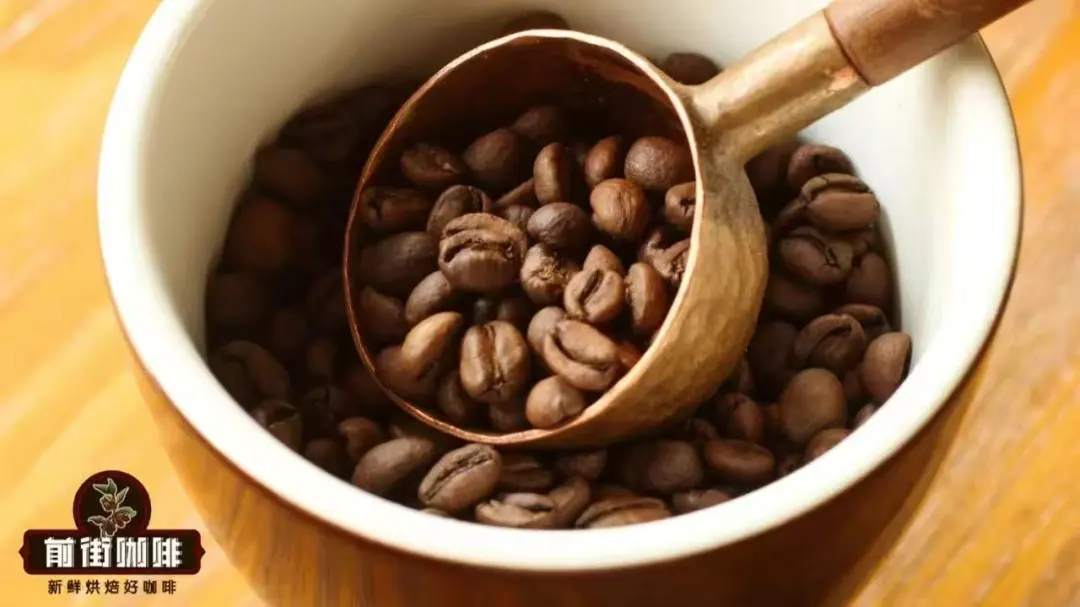
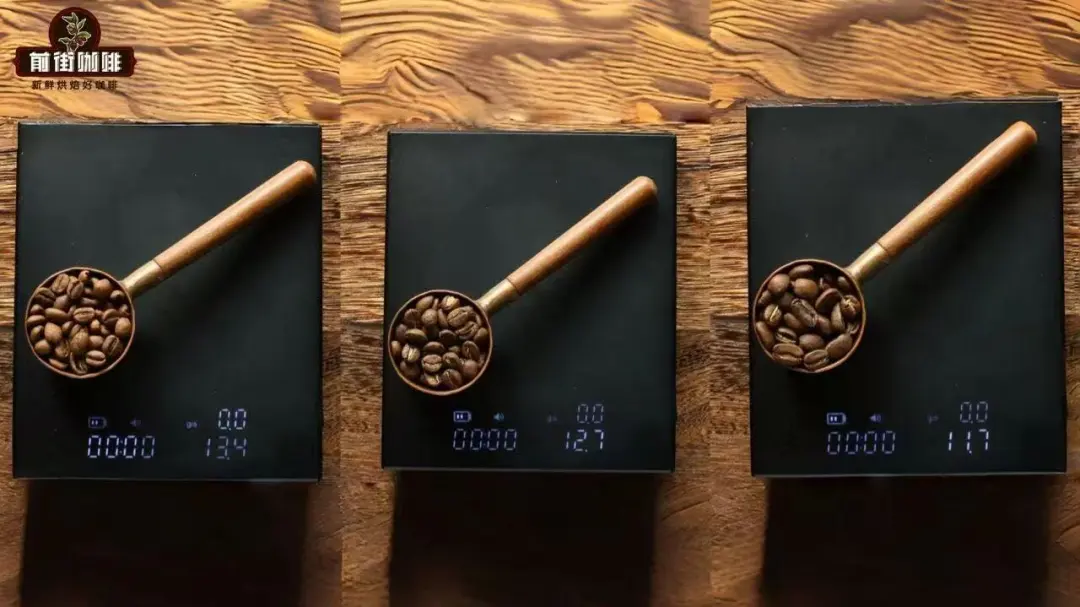
In fact, the weight of a level spoonful of coffee beans can range anywhere from 9 to 11 grams, a difference substantial enough to alter both extraction strength and flavor profile. For example, if you follow a recipe that suggests using “two scoops of coffee beans” without accounting for possible weight fluctuations per scoop, the resulting cup may differ considerably from expectations in terms of intensity, acidity-sweetness balance, and even overall mouthfeel.
Some might ask, if measuring spoons are so convenient, why obsess over using a digital scale to weigh every gram? The answer is simple: precision and consistency. A digital scale allows you to directly measure the weight of coffee beans, avoiding uncertainties caused by volume discrepancies. Especially in a professional café setting, consistency in output is paramount, making the digital scale an indispensable tool.
The characteristics of different coffee beans—such as variety (e.g., Arabica vs. Robusta), origin (e.g., Ethiopia vs. Colombia), and roast level (light, medium, dark)—all influence their density and particle size, leading to variations in weight even for the same volume. This discrepancy becomes especially pronounced when handling beans of different roast degrees; sometimes a spoon might hold just 9 grams, other times as much as 11 grams. Without accurately knowing the actual dose, even if other variables like water temperature, grind size, and brew time remain constant, the extraction results will still vary significantly.
To illustrate this point more clearly, let’s examine a set of real-world extraction experiment data. The experiment was conducted under the following conditions: using the same Ethiopian Gesha Village Red Label Geisha beans, processed via natural sun-drying, with a medium-light roast that exhibits pronounced floral and fruity aromas—ideal for showcasing nuanced flavor layers. The fixed parameters were a total brew water volume of 225 ml, a grind setting yielding 75%–80% passing through a #20 sieve, water temperature maintained at 92°C, and a three-pour brewing method over a total brew time of 2 minutes. The only variable altered was the amount of coffee grounds: 14g, 15g, and 16g.
The experimental results showed that when using 16g of coffee grounds, the brewed coffee had a strength of 1.49% and an extraction yield of 21.98%. This cup exhibited a very intense flavor, with distinct notes of berries, citrus, apricot, and oolong tea, though the overall mouthfeel leaned heavy. When the dose was reduced to 15g, strength dropped to 1.38% and extraction yield was 21.88%; the coffee retained the berry, citrus, apricot, and oolong characteristics but with more defined layers and a smoother, more balanced mouthfeel. Further reducing the dose to 14g resulted in a strength of 1.30% and an extraction yield of 22.27%. This cup presented a lighter body; although not as intense as the previous two, it offered higher clarity of flavor and subtle floral notes, resulting in a more balanced overall cup.
From the above experiment, it can be seen thateven a 1-gram difference in coffee dose, with all other parameters held constant, leads to considerable changes in both coffee strength and extraction yield, thereby affecting the final flavor profile. This is precisely why many professional baristas insist on using digital scales instead of relying on measuring spoons. For cafés aiming for consistent output and uniform flavor, precise measurement isn’t just a matter of technique—it’s a guarantee of quality.
It’s worth noting that the above experiment was conducted using a pour over method. If we shift the context to the pressurized environment of espresso brewing, the required precision in coffee dose becomes even stricter.During pressure extraction, even a mere 0.5-gram difference can noticeably impact the texture of the coffee crema, the body of the espresso shot, and the overall flavor profile. Therefore, for professional baristas, achieving stable output far outweighs the convenience of easier measurement—and the digital scale is one of the key tools to accomplish this.
In summary, whether you’re brewing pour over or espresso, precise control over coffee dose is one of the core factors influencing final flavor and extraction strength. Using a digital scale not only helps you monitor the exact amount of coffee used in each cup but also ensures consistent extraction stability and flavor expression across varying brew conditions. If you aim to brew consistently excellent coffee at home, consider starting with investing in a reliable digital scale and experience the quality boost that precise measurement brings.
The above content is compiled by CoffeeHunters, a coffee news website.


