







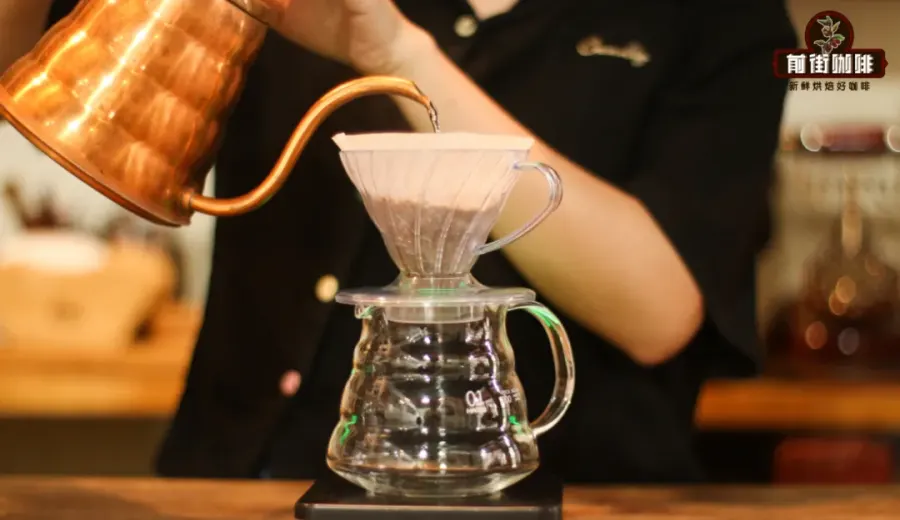
Introduction:The extraction flavor of pour over coffee depends on four key factors: water temperature, water volume, time, and grind size. Among these, grind size is the most difficult to judge intuitively and is also the step where many coffee enthusiasts often make mistakes. This article delves into how to calibrate grind coarseness through sieve testing, water flow rate, and taste feedback, and provides specific grind parameter recommendations for light roast, anaerobic fermented, and dark roast beans. These include practical combinations of sieve percentage, water temperature, and brew ratio, along with tips for adjusting grind size for iced pour over to help you establish a stable and reproducible brewing system.
During the pour over extraction process, water temperature, water volume, grind coarseness, and brew time are the four key elements that influence flavor expression. Among them, setting the grind size is often the most challenging to master because it cannot be directly assessed with the naked eye. Even slight deviations can easily lead to uneven extraction, resulting in over-extraction or under-extraction, which affects the final taste. This article will take a practical approach to help you understand how to adjust grind size using simple tools and sensory feedback, and compiles recommended parameters for different roast levels of coffee beans. It aims to assist you in establishing your own pour over framework.
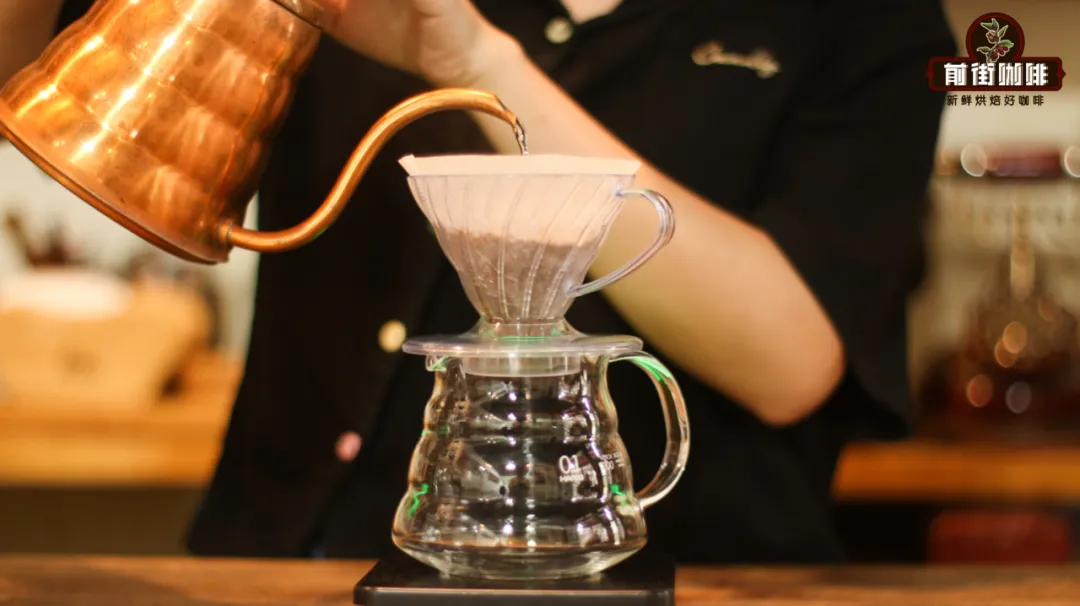
Many people believe that the pouring technique is the main factor influencing the flavor of pour over coffee, but in reality, as long as the hot water evenly saturates all the coffee grounds and other parameters are properly set, even a less refined pouring method will rarely produce disappointing coffee. In comparison, the choice of grind size is often the real key. Because grind coarseness cannot be directly evaluated with the eye, many people unknowingly use grinds that are either too coarse or too fine, thereby affecting overall extraction performance.
To determine whether the grind size is appropriate, it is generally possible to make adjustments by using tools or observing extraction performance. Among these, a #20 sieve is a commonly used measurement tool in the industry that helps quantify the coarseness of the grind. For example, some shops use the sieve percentage of a #20 sieve as a reference when publishing their parameters. If no sieve is available, it is also possible to infer based on brew time and the final taste experience: the finer the grind, the slower the water flows through the coffee bed, and the longer the extraction time naturally becomes; conversely, when the grind is coarser, the water flows faster and the extraction time is shortened.
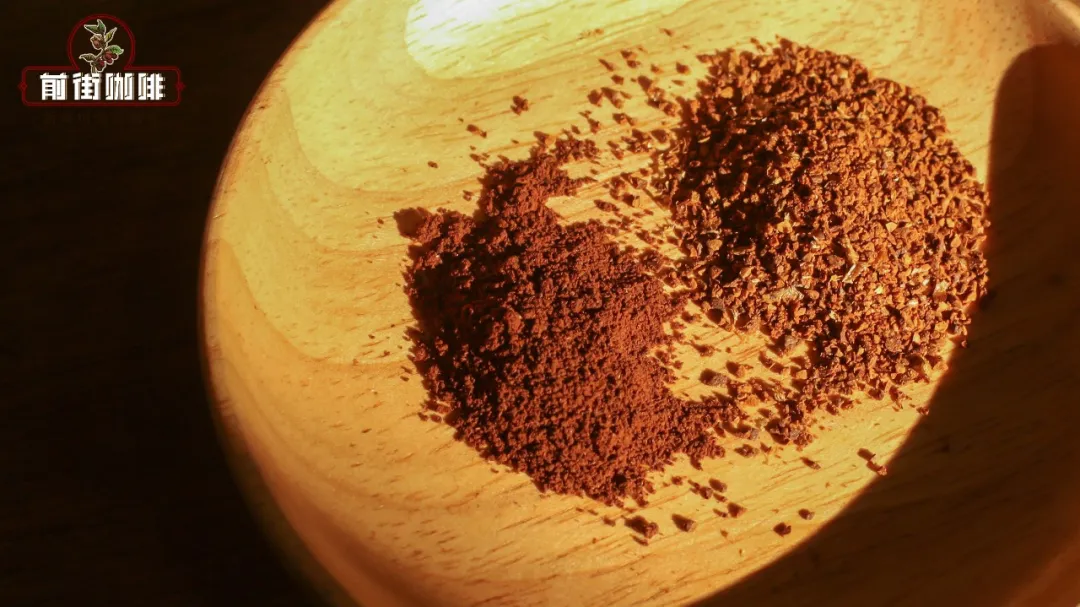
Taste feedback is also an important indicator for judging whether the grind is appropriate. Grind coarseness affects the contact area and time between coffee grounds and hot water, thereby altering the degree to which flavor compounds are released. For example, a grind that is too fine may lead to over-extraction, releasing excessive bitter and astringent substances; whereas a grind that is too coarse may make the coffee taste thin, with pronounced acidity but lacking in complexity. Once you understand these basic rules, you can fine-tune the grind size based on the actual flavors perceived, gradually finding the optimal settings for that particular bean.
In practice, it is recommended that when trying a new bean for the first time, you start with a set of parameters that you consider reasonable. If there is obvious over-bitterness or over-acidity, you can adjust only the grind coarseness while keeping other variables constant: if the coffee tastes too bitter, it likely indicates over-extraction, so try a coarser grind; if the taste is overly sharp, it may suggest under-extraction, in which case you can make the grind finer. Through such repeated fine-tuning, you can gradually approach the optimal extraction balance.
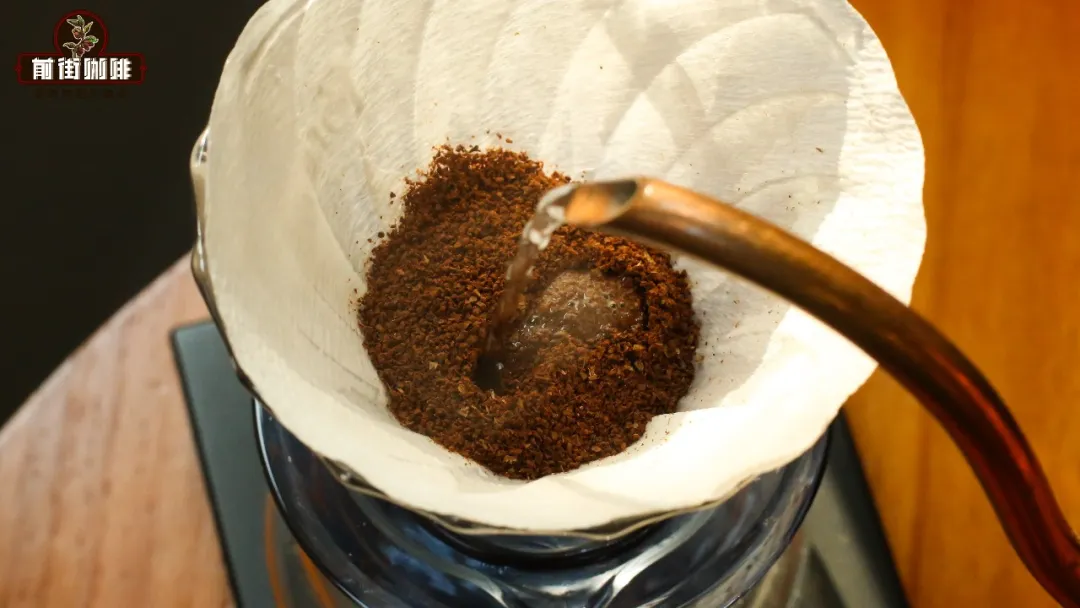
Although using time to judge grind coarseness is a common practice, this method has relatively low reference value for pour over coffee, as many factors influence extraction time, including pouring technique, filter design, bean density, and structure. Therefore, if you don’t have tools like a sieve at hand, it is recommended to prioritize taste judgment to determine if the grind is appropriate. Additionally, there’s no need to find a unique grind setting for every single bean—especially for general coffee enthusiasts, categorizing grind coarseness into three broad types is sufficient for handling most situations.
For light roasted coffee beans, such as commonly seen Ethiopian Huila, Panamanian Geisha, or Kenyan Little Tomato, these beans usually have higher density and flavor compounds that are more difficult to release. It is recommended to use a finer grind size, approximately similar to that of fine sugar, with a sieve percentage through a #20 sieve suggested to be between 75% and 80%. The water temperature range should be 90 to 93°C, and the brew ratio can be set to 1:15, with total extraction time controlled within 2 minutes to 2 minutes and 30 seconds. This helps fully extract delicate fruit acids and floral-fruity aromas.
If you are brewing anaerobically fermented beans, such as those from Boundary Line Estate’s Sidra or Dabutou, or 90+ Eleta Geisha, these beans are typically looser in texture with faster water penetration. It is advised to adjust the grind slightly finer than the standard light roast grind, still maintaining a fine sugar-like feel, with a #20 sieve percentage of about 80%. Other parameters such as water temperature and brew ratio can remain unchanged, with the goal of extending extraction time to allow for fuller flavor release.
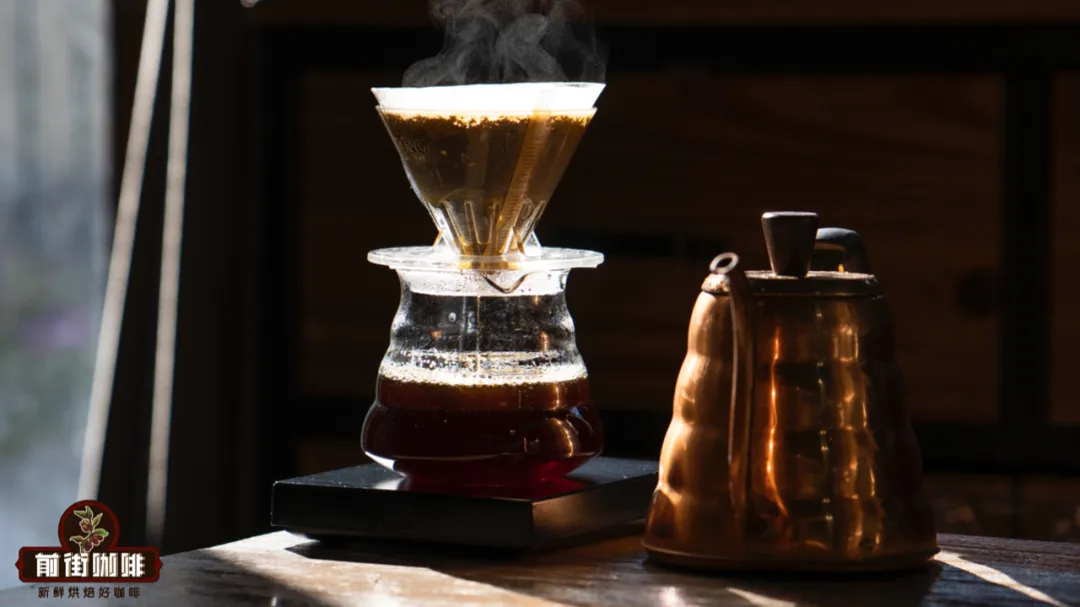
As for dark roasted coffee beans, such as Indonesian Golden Mandheling or Brazilian Queen Estate, these beans tend to have a richer, deeper flavor profile and are prone to releasing bitter and astringent substances. It is recommended to use a coarser grind size, roughly similar to that of coarse sugar, with a #20 sieve percentage falling between 70% and 75%. At the same time, reduce the water temperature to 86 to 89°C to avoid over-extraction that could lead to excessive bitterness. Other parameters such as brew ratio can remain within the standard range, helping to present a full-bodied chocolate and nutty character.
If you enjoy trying iced pour over, it is recommended to adjust the grind 1 to 2 levels finer than your regular hot brew setting. The purpose is to enhance overall extraction efficiency, compensating for the reduced extraction caused by the cold water, resulting in a more balanced and fuller final flavor.
The above content is compiled by CoffeeHunters, a coffee news website.


