







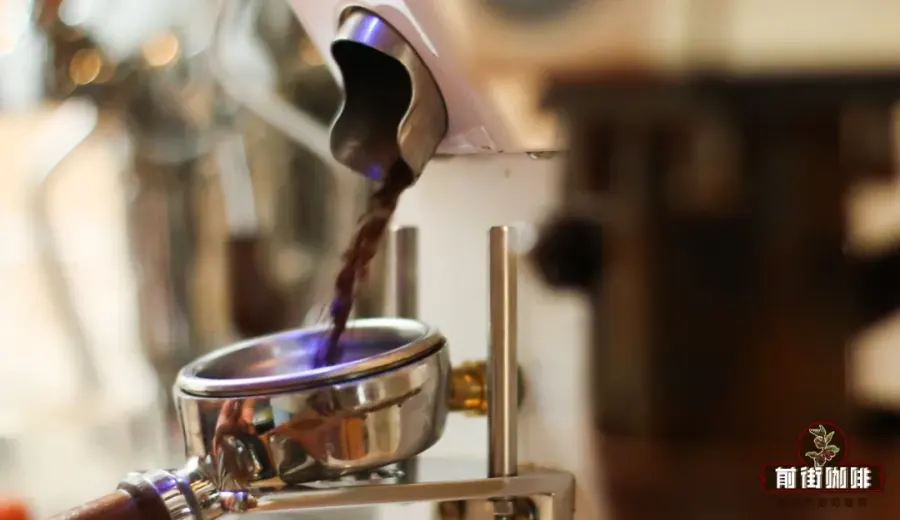
Introduction:Faced with the many types of coffee beans on the market, do you know which one is best suited for making espresso, latte, or Americano? The key actually lies in your personal taste preferences. This article will introduce the characteristics of dark roast blends, medium to light roast single-origin beans, and anaerobically processed beans based on different flavor needs, helping you find the Italian-style coffee beans that best deliver your ideal taste, along with practical roasting and brewing tips.
Among the wide array of coffee beans, there’s no one-size-fits-all answer when it comes to picking the best option for making espresso—the key is the flavor profile you want to achieve. Some people love the rich, low-acid, and creamy base of a latte, while others prefer the clean, bright, and fruity notes of an Americano, or even hope to enjoy both balance and complexity in a single bean. This article will systematically analyze the features and usage scenarios of dark roast blends, medium to light roast single-origin beans, and anaerobically processed beans according to different taste preferences, so you can choose the most suitable Italian coffee beans based on your own likes.
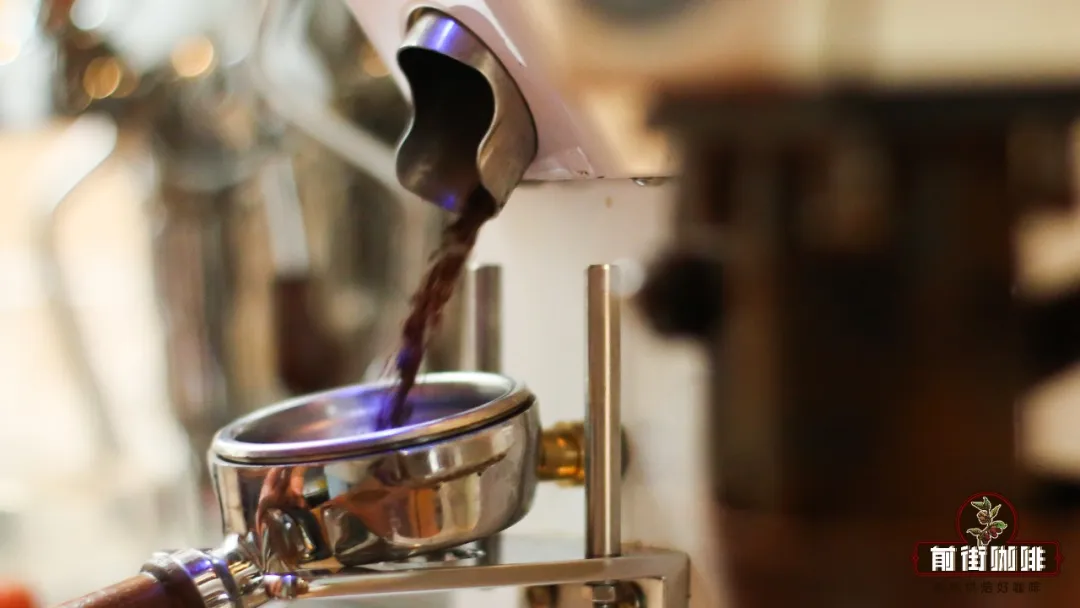 A common scenario is that many beginner coffee enthusiasts, as well as those preparing to open or already running a café, often ask one question when buying espresso beans: “Is there a bean that’s best for making espresso?” In fact, any coffee bean can be used to make espresso, but the “best” depends on the flavor profile you’re aiming for. Beans roasted to different levels will exhibit very different characteristics after extraction—some may have bright fruit acidity, others rich caramel and roasty aromas, some a full-bodied and heavy mouthfeel, and others the ability to produce abundant crema and oils. Therefore, understanding your own taste preferences is the first step in choosing the right espresso beans.
If you desire a coffee without acidity, with a rich mouthfeel that’s suitable for lattes and latte art, then it’s recommended to prioritizemedium-dark or dark roast blend beans. These beans are roasted at higher temperatures for longer periods, which significantly breaks down acidic compounds while enhancing roasty aromas. The resulting flavor is bold and solid, and more importantly, dark roast beans release more carbon dioxide during extraction, which helps form a thick crema—very friendly for latte art.
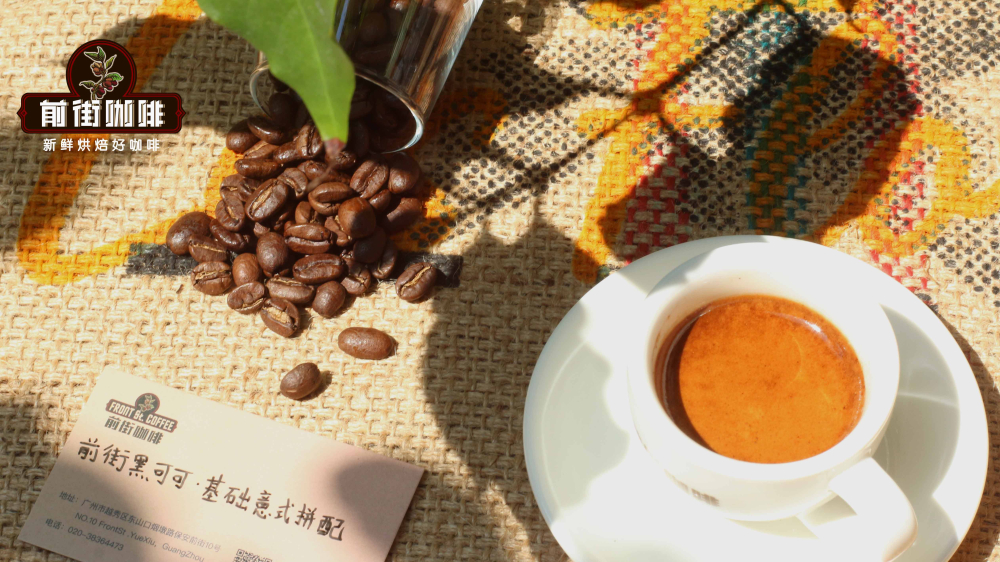 Medium-dark roast blends are usually carefully crafted from beans sourced from multiple regions, tailored to the needs of espresso. They not only suit the extraction profile, but also offer good value due to mass production. For example, a common medium-dark roast blend might combine beans from Indonesia, Brazil, and Vietnam, delivering rich chocolate, hazelnut, and caramel aromas, a full body, and a thick layer of oils—perfect for making milk-based coffees like lattes and cappuccinos, and also easy to work with for latte art. There are also deep-roast options primarily blending Brazilian and Yunnan beans, offering soft flavors of nuts, cream, and caramel, which are also great for milk coffee and favored by many shops for their cost-effectiveness.
If you mainly drink Americano and prefer flavors with fruity notes, mild acidity, and a clean, bright, and refreshing taste, then it’s recommended to choosemedium to light roast single-origin beans. Lighter roasts preserve more of the coffee’s original acidity and aroma, allowing the resulting Americano to showcase delicate layers such as strawberry, citrus, guava, or even floral notes. However, it’s worth noting that using these beans for lattes or espresso can sometimes result in overly pronounced or sharp acidity, so adjustments in grind size, water temperature, or extraction time may be needed to enhance sweetness and balance bitterness for a harmonious cup.
For instance, medium to light roast beans processed with the natural (sun-dried) method often display sweetness and floral notes reminiscent of tropical fruits, while washed processed medium-light roast beans may present a crisp finish akin to lemon or green tea. Though these beans may not produce as thick an oil layer as dark roast beans—which is normal and doesn’t affect their flavor or quality—they still deliver excellent sensory experiences.
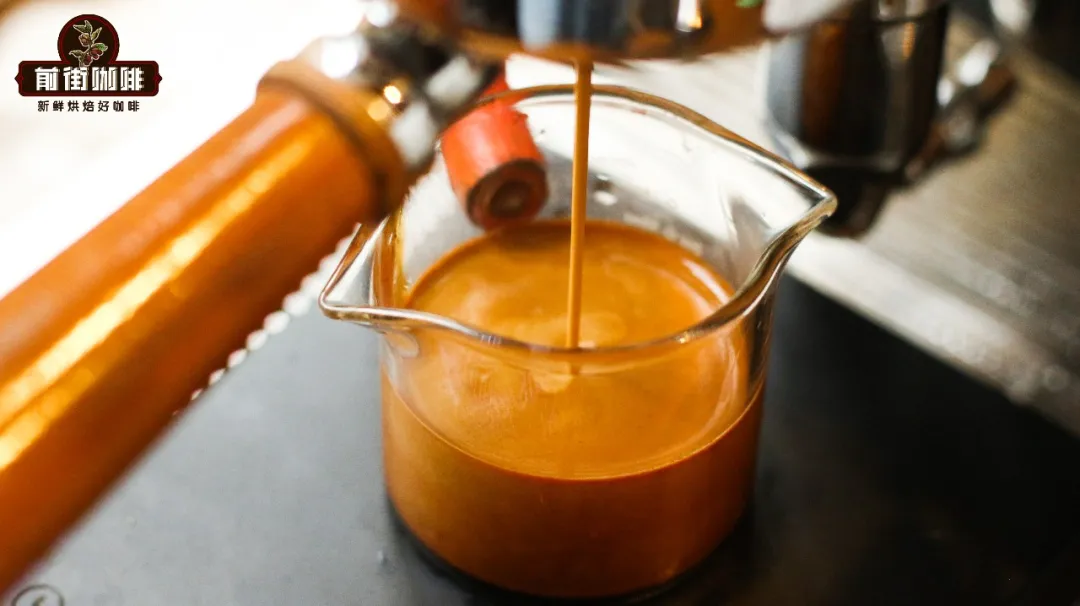 For coffee lovers who want good performance in both Americano and milk coffee, while also pursuing flavor complexity and balance, consider choosingmedium to light roast beans that have undergone anaerobic processing. Anaerobic processing deepens the fermentation process of the coffee, bringing out richer and more complex aromas. Paired with a moderate medium to light roast, it retains a certain level of acidity while enhancing sweetness through fermentation, resulting in a coffee that is bold yet layered, suitable for various brewing methods.
For example, some medium to light roast beans that have undergone double anaerobic fermentation can exhibit tropical fruit aromas such as grape, apricot, and passionfruit, alongside white floral notes. The overall cup is full-bodied with a long aftertaste, delivering unique flavor appeal whether used as a base for Americano or latte. Additionally, there are also blends specifically designed for espresso, where roast depth and fermentation techniques are controlled to achieve prominent flavors and high fault tolerance during extraction—ideal for daily use or café service.
In summary, choosing the right bean for making espresso boils down to clarifying your own taste preferences—do you prefer a rich, acid-free milk coffee base? A bright, fruity single-origin profile? Or a balanced option in between? By aligning these preferences with the characteristics of different roast levels and processing methods, you can more accurately find the Italian coffee beans that best suit your palate.
The above content is compiled by CoffeeHunters, a coffee news website.


