







Introduction:Coffee processing methods are a crucial factor influencing coffee flavor. From traditional washed and natural processes to innovative anaerobic fermentation, each method controls the degree of fermentation to impart unique aromas and textures to the coffee beans. This article delves into the principles and differences of the four mainstream processing methods, helping you choose the right coffee beans based on your taste preferences and understand how fermentation shapes the final flavor profile.
Before entering the roasting stage, almost all coffee beans undergo some form of fermentation. This seemingly simple step is actually key to determining the final aroma of the coffee. Common processing methods include washed, natural, honey, and anaerobic fermentation. They shape distinctly different flavor profiles through varying depths of fermentation and environmental conditions. Generally speaking, natural and honey processes involve higher levels of fermentation, bringing out richer fruitiness and layered complexity; in contrast, washed processing presents a cleaner, crisper taste with shallower fermentation; as for anaerobic or double anaerobic processes, they can release intense fruity and wine-like characteristics.
However, it’s worth noting that while processing methods have a significant impact on aroma, the acidity and bitterness of coffee are primarily determined by the subsequent degree of roasting. For example, dark roasts often reduce acidity while amplifying the release of bitter compounds; light roasts, on the other hand, preserve more acidity, showcasing brighter flavor characteristics. Therefore, when selecting coffee beans, if you want to avoid overly strong fermented wine-like aromas, you can start by screening based on the processing method.

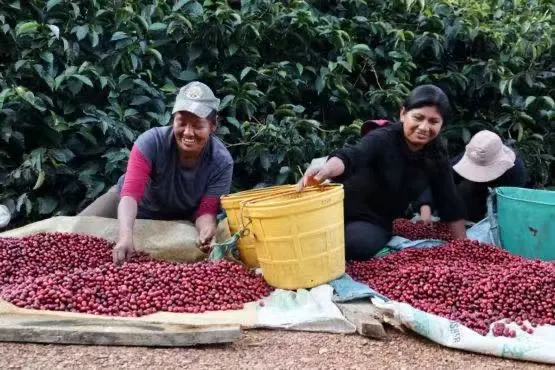
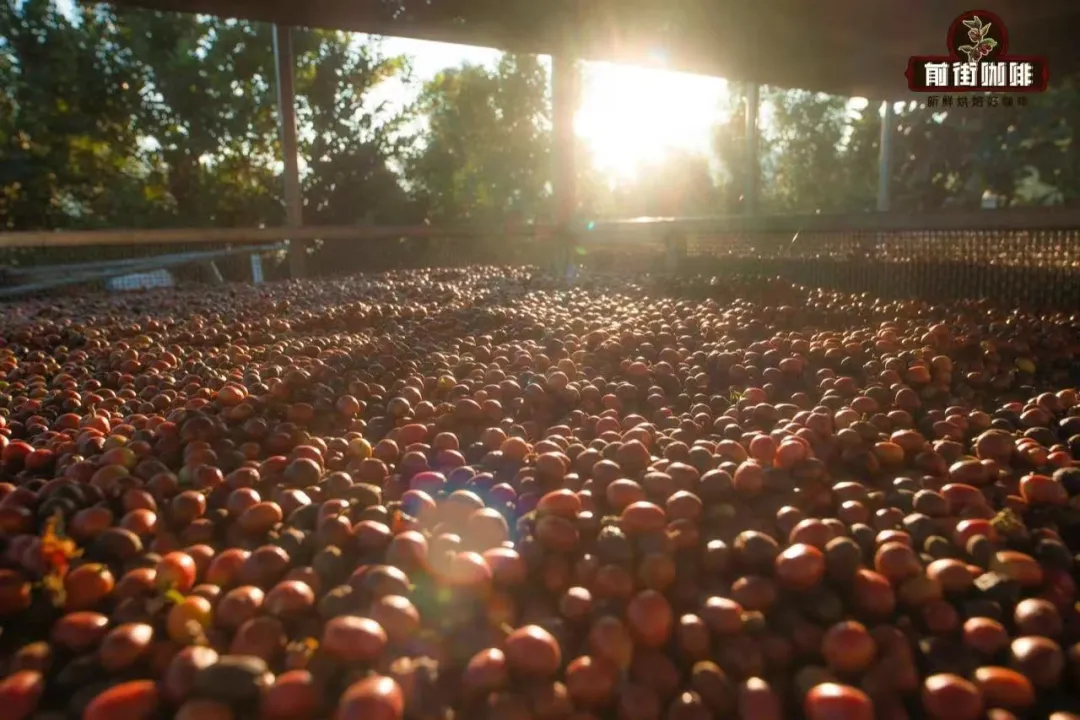
Many coffee enthusiasts, when making purchases, often hope to find a coffee without pronounced wine-like flavors from heavy fermentation. Yet, this desire actually stems from a misunderstanding of the processing process. In fact, from the moment coffee cherries are picked, fermentation is an inevitable step. Before transforming into green beans ready for roasting, coffee cherries must go through steps such as sun-drying, washing, wet-hulling, or honey processing, and at the core of these steps is controlling fermentation to influence the final aroma.
Looking back at the history of coffee processing, the original purpose was simply to dry the coffee cherries for storage and transportation. Over time, producers gradually discovered that different processing methods lead to significant differences in flavor, leading more and more coffee farmers to invest in research, trying to create coffee beans with specific flavor characteristics by adjusting fermentation conditions. Fermentation affects flavor mainly because, during this process, microorganisms decompose organic matter in the coffee cherries under anaerobic or aerobic environments, producing various aromatic compounds. This principle is actually very similar to our everyday processes of making bread, alcohol, soy sauce, or yogurt.
So why do different processing methods result in flavor differences? The key lies in the depth of fermentation and environmental control. Taking natural and washed processes as examples, the former usually involves deeper fermentation, thus releasing richer fruitiness and complex layers; the latter, through shallower fermentation, presents a purer, cleaner taste. In short, the aroma profile of coffee is largely determined by the degree of fermentation—the deeper the fermentation, the more intense the flavor, but it may also come with wine-like fermented aromas, the strength of which is also closely related to the depth of fermentation.
If you prefer a cleaner, less wine-forward coffee, washed processing is a good choice, as it effectively controls the degree of fermentation, avoiding the interference of overly fermented flavors. If you’re looking to try something with richer flavors but not overly intense, natural or honey processes offer a well-balanced option—their fermentation depth falls between washed and heavily fermented coffees, bringing out more vibrant fruitiness and sweetness. For coffee enthusiasts who enjoy intense fruit flavors and fermented aromas, and are willing to explore more complex flavor expressions, anaerobic or double anaerobic processed beans can provide a stronger sensory experience, often showcasing high aroma intensity and unique layered flavors.
The various processing methods mentioned above can be found from different coffee supply sources. It’s worth noting that while processing methods have a significant impact on the aroma characteristics of coffee, they are not the sole factor determining the final acid-sweet balance. In fact, the degree of roasting is the key factor affecting the acidity and bitterness of coffee. Generally speaking, dark roasts suppress acidity while amplifying the release of bitter compounds, resulting in a richer, heavier-tasting coffee; conversely, light roasts preserve more acidity, presenting a brighter, fresher flavor profile.
The above content is compiled by CoffeeHunters, a coffee news website.


