







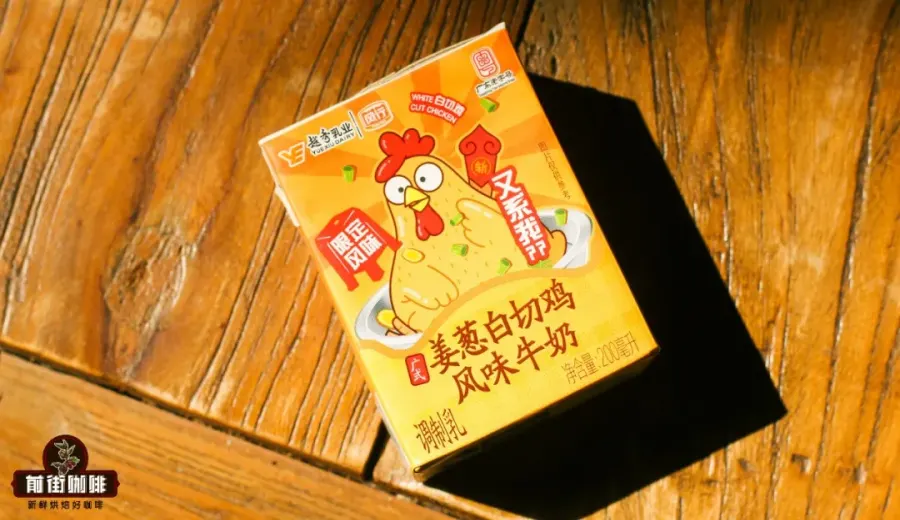
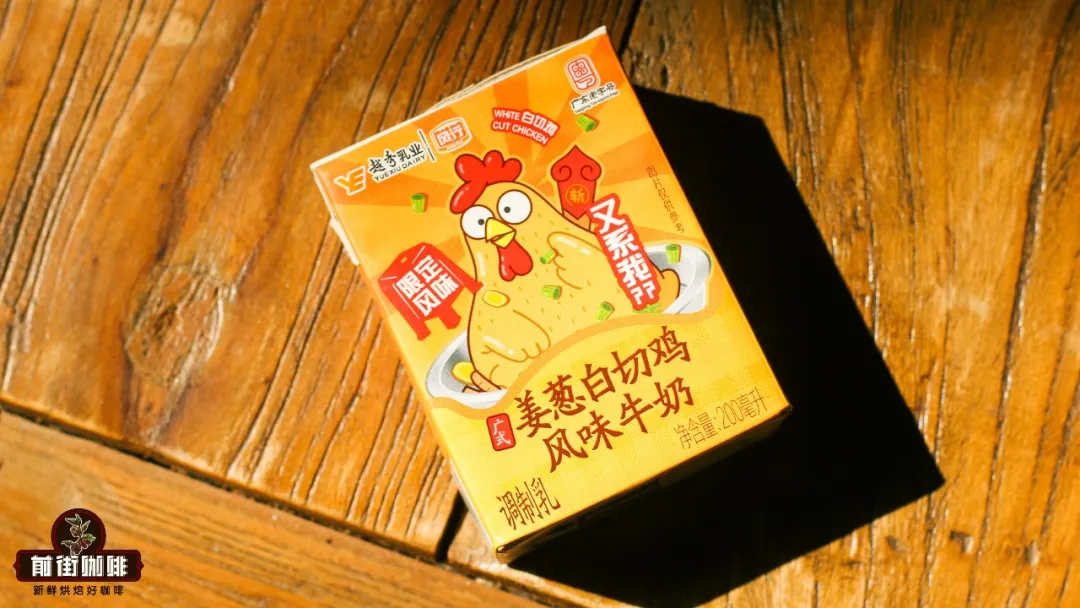
Introduction:Guangzhou once launched a milk product that combined the flavors of ginger, scallion, and the dipping sauce from the Cantonese classic dish "white-cut chicken," sparking widespread discussion. This article delves into how to apply this distinctive-flavored milk in espresso-based drinks such as lattes, and provides tested coffee bean selections, extraction parameters, and mixing ratios. From the balance between espresso and milk, the performance of different coffee varieties, to the final flavor equilibrium, it helps you master the key points and precautions for making this unique-flavored coffee.
Recently, a rather talked-about innovative flavored milk has appeared on the market — ginger, scallion, and white-cut chicken flavored milk, which incorporates elements of the familiar ginger and scallion paste dip from Guangdong cuisine into milk, creating a dairy product that is both nostalgic and novel. This product quickly garnered consumer attention after hitting the shelves and even sold out at one point. As coffee enthusiasts, we naturally wonder: what kind of flavor fusion would occur if this special milk were used to make coffee, particularly a latte?
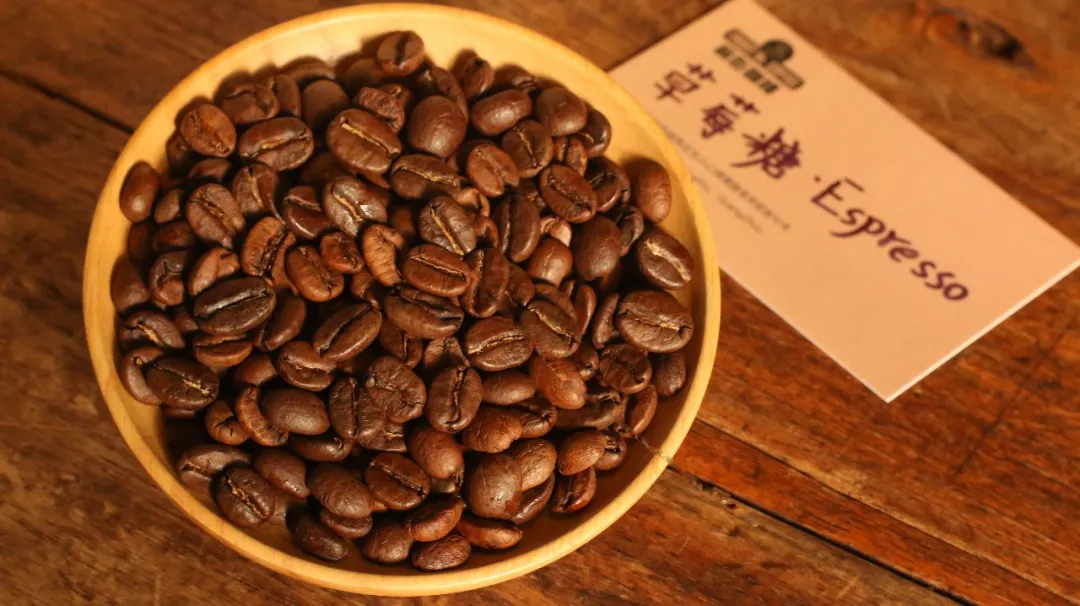
For this experiment, two different Italian-style espresso blends were selected: a dark-roasted classic blend, and a slightly lighter-roasted "Strawberry Sugar · Espresso" with distinct floral and fruity notes. Both beans were extracted using the same standard parameters: 20 grams of coffee grounds, a 1:2 coffee-to-water ratio, and an extraction time controlled at 30 seconds, to ensure a stable base performance for the espresso.
In the initial attempt, a coffee-to-ginger-scallion-chicken-milk ratio of 1:4 was used to observe whether the coffee could still maintain a clear expression amid such intense milk flavors. However, upon actual tasting, it was found that both the chocolate, nutty, and caramel notes of the classic blend, and the strawberry, citrus, and creamy flavors of the Strawberry Sugar · Espresso, were almost completely masked by the strong ginger-scallion dipping sauce milk flavor. The overall taste was heavy and prone to feeling greasy, with an unappealing flavor profile.

To improve this, we adjusted the formula by mixing the espresso, ginger-scallion-chicken milk, and fresh milk in a 1:3:1 ratio. This ratio effectively reduces the overwhelming interference of the ginger-scallion milk’s strong flavor while also adding more complexity and layering to the overall drink. Upon tasting, the adjusted version was found to be smoother than drinking the ginger-scallion milk alone and better highlighted the characteristics of the coffee itself.
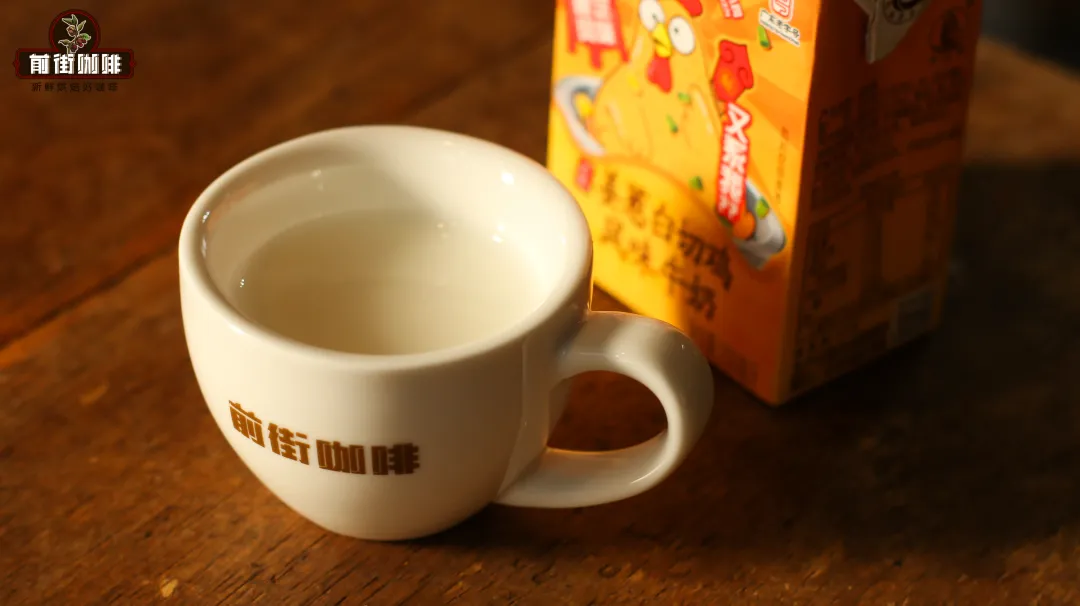
Among them, the version made with the classic blend delivered a unique ginger-scallion milk flavor upon first sip, followed by the aroma of chocolate, nuts, and caramel from the espresso. The overall mouthfeel was rich and had a long-lasting aftertaste, making it relatively easy to accept. The Strawberry Sugar · Espresso version, on the other hand, came across as more refreshing, with a slightly more pronounced sweet-and-sour note. While the ginger-scallion milk base was still present, subsequent sips revealed distinct strawberry, berry, and chocolate flavors. The overall experience was lighter and more suitable for those who prefer higher acidity.
However, this creative coffee remains a highly unique-flavored type overall and may not suit the general palate. During internal tastings, many first-time drinkers expressed difficulty accepting its unusual combination of flavors. Therefore, if you wish to try making it at home, it is recommended to first assess your own and others’ acceptance levels to avoid preparing too much and causing waste. Additionally, the ratio of fresh milk to ginger-scallion milk can be flexibly adjusted during preparation according to personal taste preferences to find the most suitable balance for you.
In summary, although this experiment originated from a curiosity-driven idea, it also proves that even when using non-traditional flavored milk, as long as appropriate extraction parameters and ratios are applied, it is still possible to create a coffee beverage with layers of flavor. For coffee lovers who enjoy exploring new tastes, this is undoubtedly a creative direction worth trying.
The above content is compiled by CoffeeHunters, a coffee news website.


