







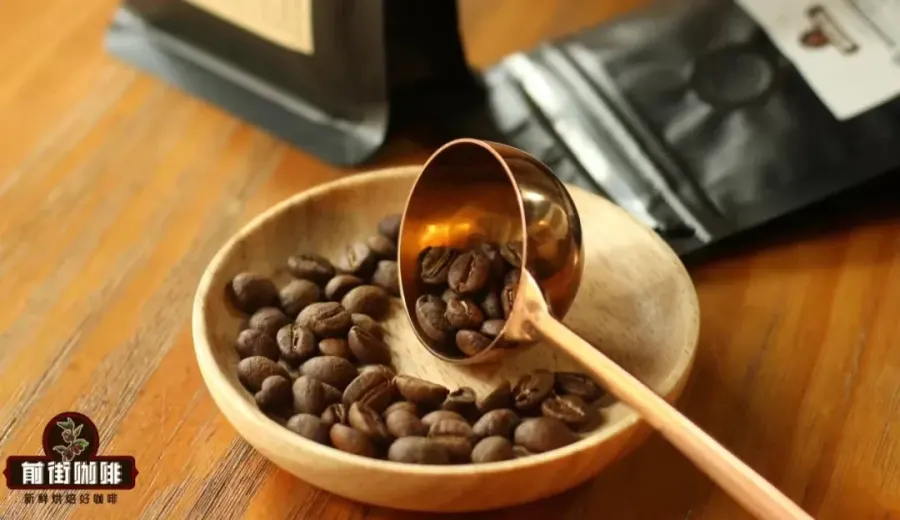
Introduction:Blended coffee beans are often mistakenly seen as an inferior choice, but in fact, they are not only a good way to control costs, but can also create a richly layered and consistently flavorful coffee experience through the combination of beans from different regions. This article delves into the differences between blends and single-origin beans, and explores whether blended beans are suitable for non-espresso brewing methods such as pour over and moka pot, helping you understand how clever blending can achieve a 1+1>2 coffee flavor.
Many beginner coffee enthusiasts often have stereotypes about blended beans, believing them to be less pure or premium compared to single-origin beans. However, blends are not just about cutting costs — they are actually a professional approach that combines the characteristics of various beans to pursue balanced and stable flavors. What is the fundamental difference between blended and single-origin beans? Can blends be used for pour over or other non-espresso brewing methods? This article will provide a detailed analysis.
First, let’s clarify what single-origin beans are. Single-origin beans refer to coffee beans that come from a single region, or even a single farm or processing method. Because of their single source, they can showcase the unique flavor profile of that origin — for example, the citrus notes of Ethiopia or the nutty, chocolatey flavors of Colombia. These beans are ideal for coffee drinkers who enjoy exploring regional flavor characteristics.
In contrast, blended coffee beans (English: Blend Coffee), as the name suggests, are beans made by combining two or more beans from different origins, possibly using different processing methods, roast levels, or even varieties (such as Arabica and Robusta), in specific proportions. These blends can consist of two, three, or even more beans, with the goal of achieving a more balanced or complex flavor profile through the complementary nature of the beans.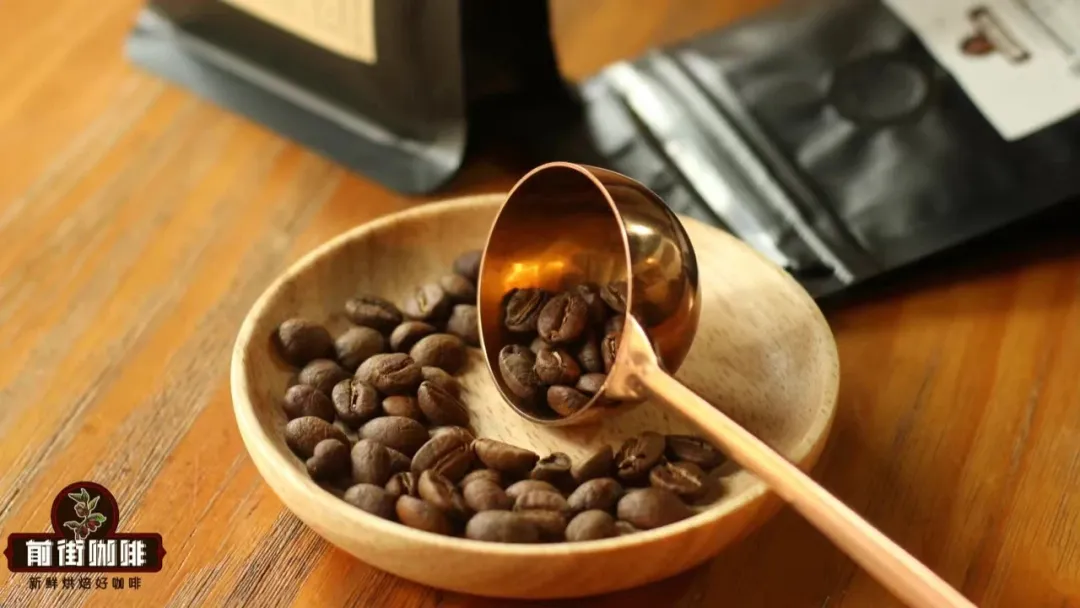
Many people assume that blends are only suitable for espresso, but this is a common misconception. Blends have a very wide range of applications, including pour over, moka pot, siphon, and even French press, all of which can bring out their unique characteristics. In fact, some carefully designed blend recipes can even highlight their complex and delicate flavor layers when brewed using pour over methods.
One of the advantages of blended beans is that they can effectivelyreduce costswhile maintaining good flavor quality. By combining beans from different regions and at different price points, it’s possible to achieve a richer taste and aroma than a single-origin bean within the same budget. Especially for coffee shops, blends allow cost structures to be adjusted without compromising the customer experience, achieving a balance between business needs and quality.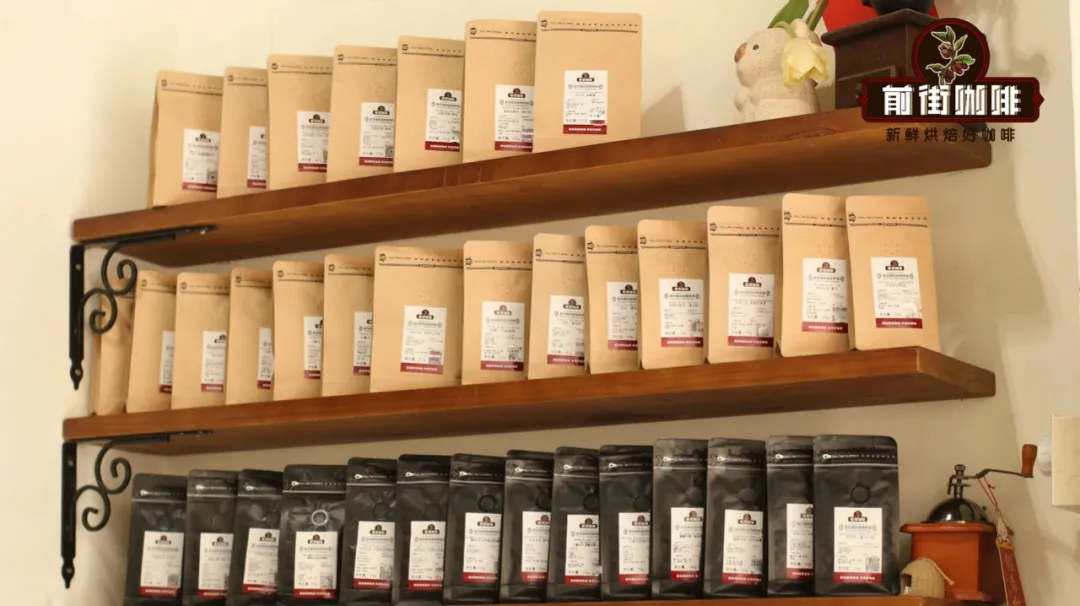
Another key advantage of blends isflavor stability. Since coffee beans are agricultural products, their flavors may vary slightly each year due to factors such as climate, soil, rainfall, and processing techniques. If a coffee shop relies solely on single-origin beans from one region, any disruption in supply due to natural disasters or export restrictions — or simply a drop in annual quality — could directly impact the consistency of the final product. Blends, by combining multiple types of beans, can maintain overall flavor stability even if one type of bean needs to be substituted, minimizing the impact on consumers.
Moreover, blends can also “complement strengths and offset weaknesses,” creating a composite performance that no single bean can achieve on its own. For example, some beans have prominent flavors but thin body, while others have rich body but lack aroma. Through blending, the strengths of different beans can be combined — for instance, pairing a bean with rich flavor but light body with another that has full body but milder flavor, balancing each other out to produce a well-rounded “multidimensional” cup.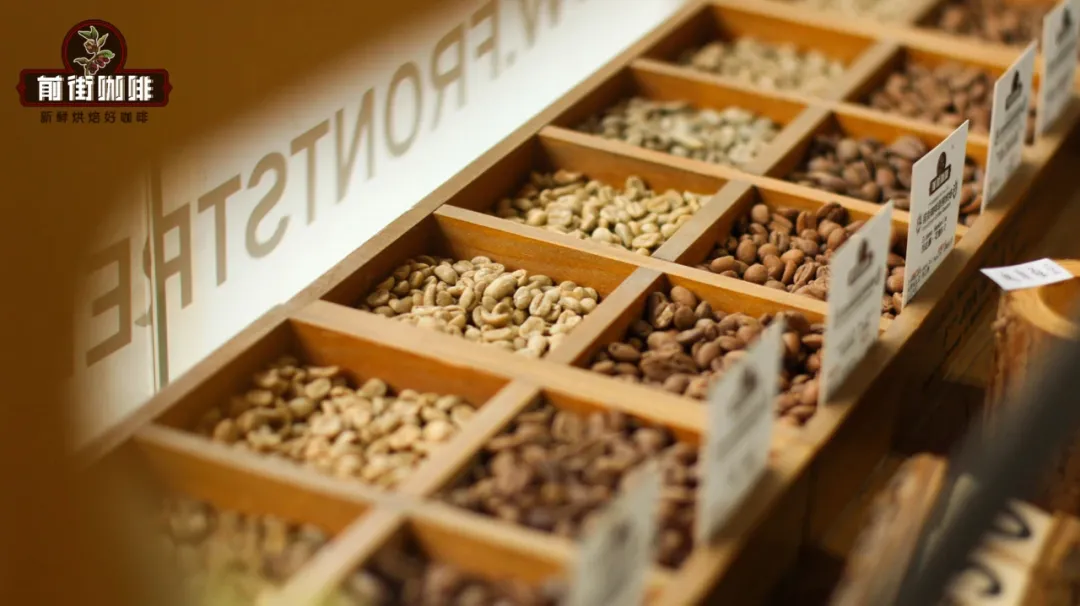
For example, a classic blend achieves a comprehensive balance of aroma, crema, body, and sweetness through carefully selected beans and proportions, making it highly suitable for espresso but also capable of showcasing its delicate layers in a pour over. Another example is a strawberry candy · Geisha blend, which combines Costa Rica’s raisin honey-processed beans with Panama’s washed Geisha, resulting in a coffee with distinct strawberry taffy, white floral, cream, and raisin flavors. It offers excellent sweetness with a hint of acidity, perfect for those who enjoy fruity and sweet profiles. This blend is not only suitable as an espresso base but also performs exceptionally well in pour over, highlighting its fruit-forward character — a highly expressive, versatile blend.
In summary, blended coffee beans are not simply inferior products. They are a professional approach that integrates the traits of various beans, balancing cost, stability, and creative flavor expression. Whether you’re a pour over enthusiast or focused on espresso, you can explore different styles of blends according to your preferences and discover your own ideal coffee experience.
The above content is compiled by CoffeeHunters, a coffee news website.


