







Introduction:Many coffee enthusiasts often find that when brewing at home via pour over, their coffee lacks the aroma and complexity compared to that of cafés. The key lies in using freshly roasted coffee beans and mastering the correct extraction parameters. This article delves into the optimal drinking window of coffee beans, how different roast levels influence flavor, and offers practical tips for adjusting pour over parameters to help you easily brew aromatic and vibrant coffee.
Many friends who enjoy brewing coffee at home often find that the coffee they make—whether in terms of aroma or flavor complexity—falls short of professional café offerings. So, how can you improve your technique to brew a cup that’s bursting with aroma and rich in taste? The answer lies in two essential elements: first, choosing fresh coffee beans that are still within their optimal drinking period, and second, applying scientifically sound extraction parameters to achieve balanced and full flavor extraction.
Many people brewing at home often feel their coffee lacks strong aroma or even has muted flavors. More often than not, this isn’t due to poor technique but rather overlooking the freshness of the beans and the appropriate brewing method. Next, we’ll guide you step by step—from identifying bean freshness, choosing the right brewing strategy for different roast levels, to adjusting grind size based on actual flavor feedback—to help you master the key techniques for brewing high-aroma coffee.

Have you also experienced this: you follow the steps, but the resulting coffee just doesn’t have the same aroma as what you smell in cafés, and the flavors seem lackluster? In fact, mastering just two core points can significantly improve your coffee’s performance. First, prioritize selecting freshly roasted beans that are still within their drinking window—that’s the foundation for ensuring ample aroma.
By “fresh,” we don’t mean right out of the roaster, but rather beans that are still within their optimal drinking period after roasting. Most aromatic compounds in coffee beans are volatile and begin to dissipate gradually after roasting. Therefore, the fresher the beans, the richer the aroma compounds they contain, and the more intense the aroma released during brewing. It’s generally recommended to choose coffee beans roasted within the past two weeks to two months, which can deliver good aroma—as long as they’re stored properly, such as in sealed containers with one-way degassing valves, and kept away from sunlight and moisture.

Secondly, even if you have fresh coffee beans, insufficient extraction will still prevent the full release of aroma. Especially with freshly roasted beans, which contain a lot of carbon dioxide—these gases, while helping to slow aroma loss, can also hinder water from contacting the coffee grounds, preventing some flavor compounds from dissolving effectively. Many people, worried about over-extraction, opt for lower water temperature or coarser grind, which can instead lead to under-extraction, resulting in dull, uninspired coffee flavors.
To brew coffee with rich aroma and clear flavor, the key is to find the right extraction parameters so that the aromatic and flavorful components in the coffee can dissolve fully. If you’re unsure how to set these, you can refer to the following two sets of proven parameters, suitable for common medium-light and medium-dark roast beans, helping you consistently brew high-quality pour over coffee.
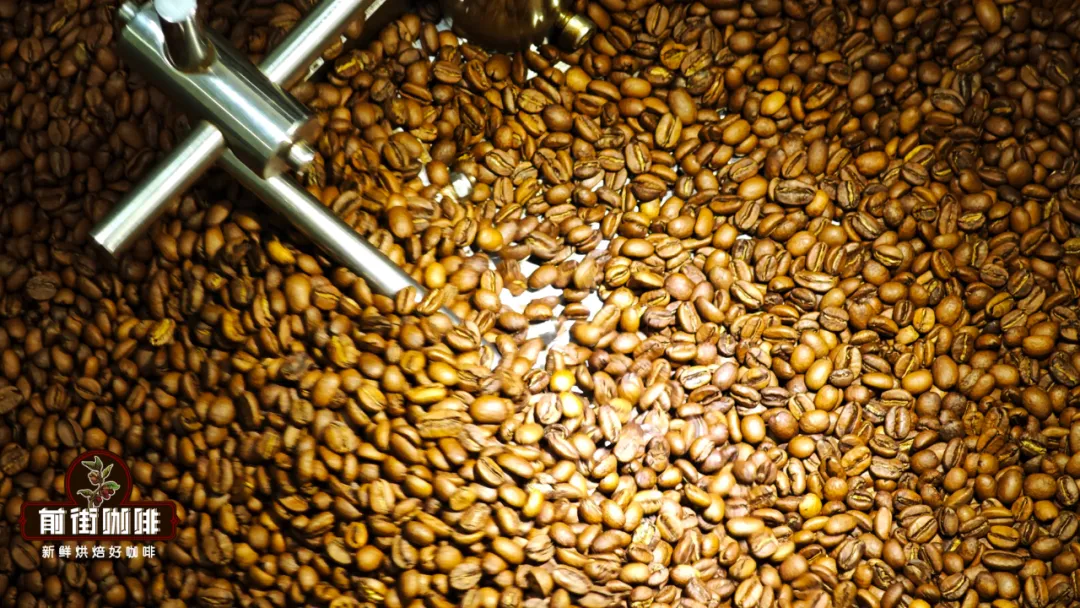
For medium-light roast beans, such as those with distinct berry, floral, or citrus notes—like Ethiopia’s Yirgacheffe or Gesha series—it’s recommended to use higher extraction efficiency. For example, with 15 grams of coffee grounds, suggested parameters are: a brew ratio of 1:15, water temperature controlled at 90–93°C, grind size roughly equivalent to that of fine sugar (approximately 75%–80% passing through a #20 sieve), with total extraction time kept between 2 to 2 minutes and 30 seconds. Such parameters help bring out the beans’ rich acidity and delicate flavors.
For medium-dark roast beans, such as those with nutty, chocolatey, or caramel tones—like Sumatra Mandheling or Jamaican Blue Mountain No. 1—due to their lower density and higher expansion rate, flavors dissolve more easily. Thus, it’s advisable to reduce extraction intensity slightly. Again, using 15 grams of coffee as an example, recommended parameters are: brew ratio 1:15, water temperature 86–89°C, grind size slightly coarser than fine sugar (approximately 70%–75% passing through a #20 sieve), with extraction time controlled around 2 minutes. This helps avoid bitterness or off-flavors caused by over-extraction, while preserving a rich mouthfeel and sweet aftertaste.
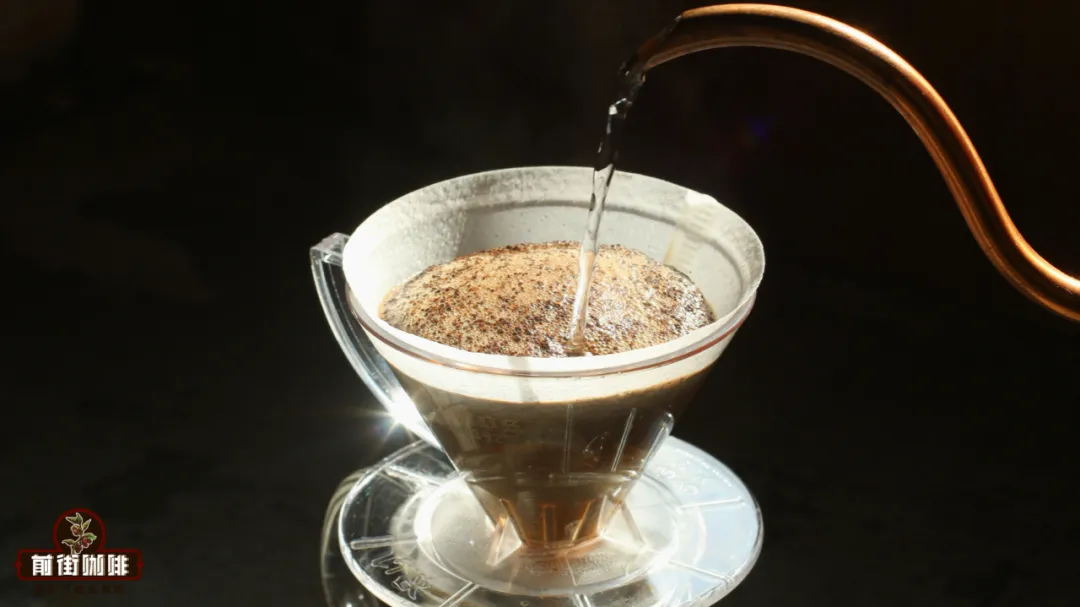
It’s worth noting that the above parameter suggestions apply to coffee beans that have completed their “degassing” period. If you’re using freshly roasted beans that haven’t yet fully released their carbon dioxide, you’ll need to increase extraction efficiency further—for example, by slightly raising the water temperature or using a finer grind. You might also consider pre-grinding the beans moderately to aid aroma release. For special handling methods for freshly roasted beans, you can refer to more detailed professional resources or shared experiences for operational guidance.
Finally, remember that when brewing coffee, in addition to considering bean freshness and parameter settings, you should also flexibly fine-tune based on the actual flavor feedback from each brew. If the coffee tastes weak, it may be due to too coarse a grind or low water temperature; if it’s bitter or has off-flavors, it might be over-extracted—try a coarser grind or shorter brew time. Through continuous experimentation and adjustment, you’ll be able to pinpoint the perfect brewing method tailored to your taste.
In summary, to brew a cup of aromatic and multi-dimensional pour over coffee at home, the key lies in selecting high-quality freshly roasted beans and pairing them with suitable extraction parameters and grind size. With scientific adjustments and accumulated hands-on experience, you too can easily recreate a café-level coffee experience.
The above content is compiled by CoffeeHunters, a coffee news website.


