







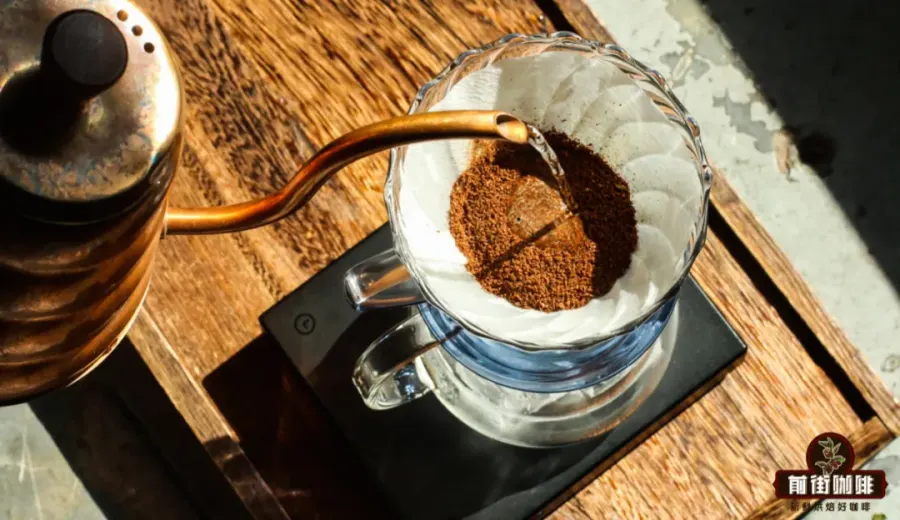
Introduction:Immersion coffee brewing is an easy-to-learn method even for beginners—no complex techniques or expensive equipment required. By simply mastering the coffee-to-water ratio, water temperature, and grind size, you can consistently brew a well-balanced and full-bodied cup. This article provides a detailed breakdown of practical parameters for using the Clever Dripper and French press, explores the flavor differences compared to pour over coffee, and offers key details to enhance extraction quality. Help yourself make great coffee the simplest way possible.
Many coffee enthusiasts believe that brewing a good cup of coffee requires mastering professional skills or owning a variety of equipment. But in fact, there’s a nearly zero-barrier brewing method where you only need a Clever Dripper, a French press, or even just two regular containers paired with a filtering tool to get the job done. This article will use practical operation as an example to deeply analyze immersion brewing parameters such as coffee-to-water ratio, water temperature, grind size, and time. It will explain why this method is less prone to over-extraction and compare its taste and flavor differences with pour over coffee.
Most satisfying cups of coffee either require a certain level of proficiency or involve tedious preparation. For those who just want to enjoy a cup of coffee casually, these steps can often be off-putting. So, is there a way to brew delicious coffee without technical barriers, complicated equipment, or hassle?
The answer is yes—and that method is immersion brewing. By mixing coffee grounds with hot water and letting them steep for a period before filtering out the grounds, you get a cup with rich flavors and even extraction. Many underestimate its potential because of how simple it is, but with the right parameters, immersion-brewed coffee can be equally delicious.
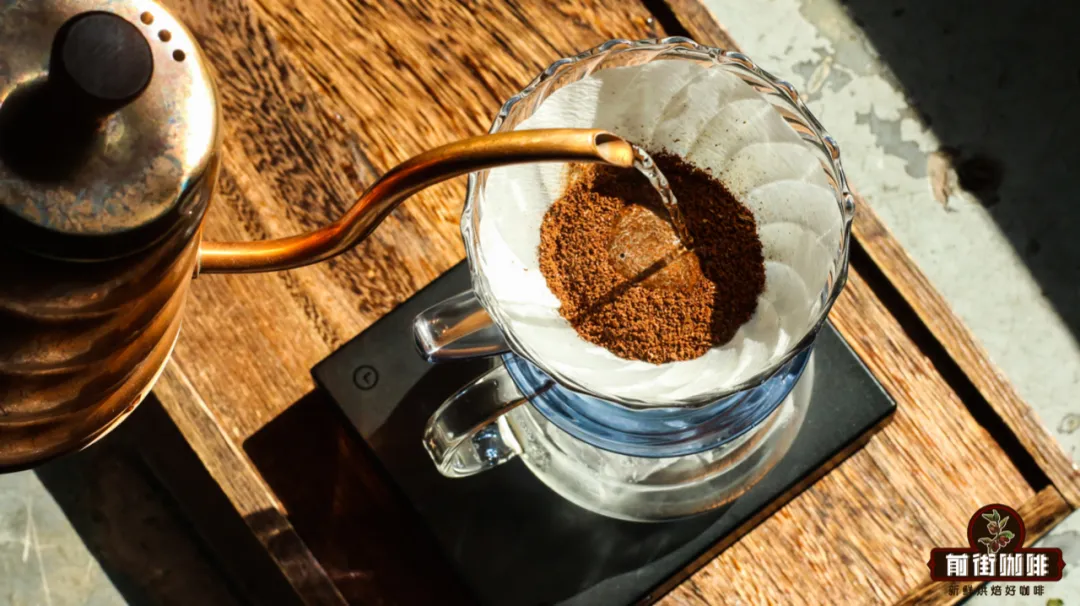
Immersion brewing has two major advantages: first, the equipment needed is simple—you can start with just a French press, a Clever Dripper, or two containers plus a filtering tool. Second, it offers a high margin for error. Even if your grind is slightly finer, the water temperature is a bit higher, or the steeping time is a little longer, it’s still unlikely to result in obvious bitterness or off-flavors. This is because the water temperature naturally decreases over time during immersion, and due to the concentration gradient principle, the rate at which substances dissolve slows as the liquid becomes more concentrated. Additionally, the coffee grounds are not subjected to vigorous agitation, so the release of bitter and off-flavors is slower, leading to more stable extraction.
Here are some practical suggestions: If you’re using a Clever Dripper or a French press, you can brew directly. If not, prepare two any containers and one filtering tool, with one container preferably having a spout for easier pouring. The filtering tool can be a paper filter dripper, a mesh filter, or a cloth filter. Those who prefer a clean and bright taste are advised to use paper filters, while those who favor a richer aroma may opt for mesh or cloth filters.

For parameter settings, it’s recommended to use a coffee-to-water ratio of 1:15, and you can use water straight after boiling. As for grind size, for light to light-medium roasted beans, a 20-mesh sieve with a 75%–80% pass-through rate is suggested; for medium-dark to dark roasted beans, use a 20-mesh sieve with a 70%–75% pass-through rate—roughly equivalent to the size of normal fine sugar crystals used in hot brewing. The recommended steeping time is 8 minutes. If you wish to shorten the time, you can moderately increase the number of stirs. In this demonstration, we’re using a light-medium roasted Ethiopian Huakai coffee bean, with 20 grams of coffee and water adjusted proportionally to 300 milliliters.
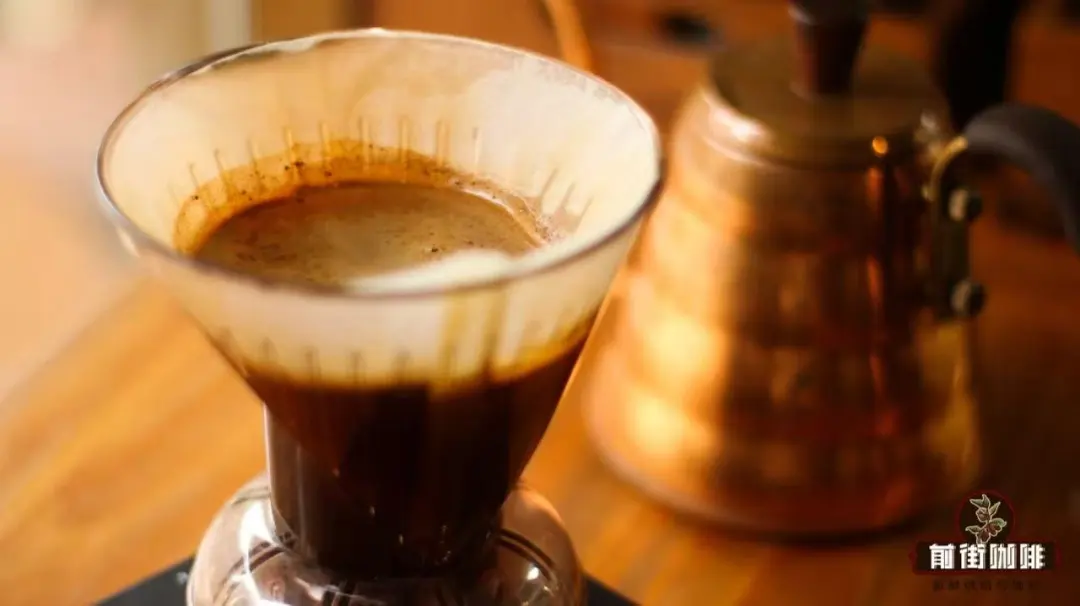
Here’s how to do it step-by-step: First, pour the coffee grounds and hot water into a server according to the ratio. Let it sit for about 4 minutes, then use a tool to gently press the floating coffee grounds down into the water. Continue steeping for another 4 minutes, making a total immersion time of 8 minutes. If you choose to use a paper filter dripper for filtering, it’s recommended to gently shake the server before filtering to help the coffee liquid pass through the filter paper evenly. The filtering time takes approximately 1 minute.
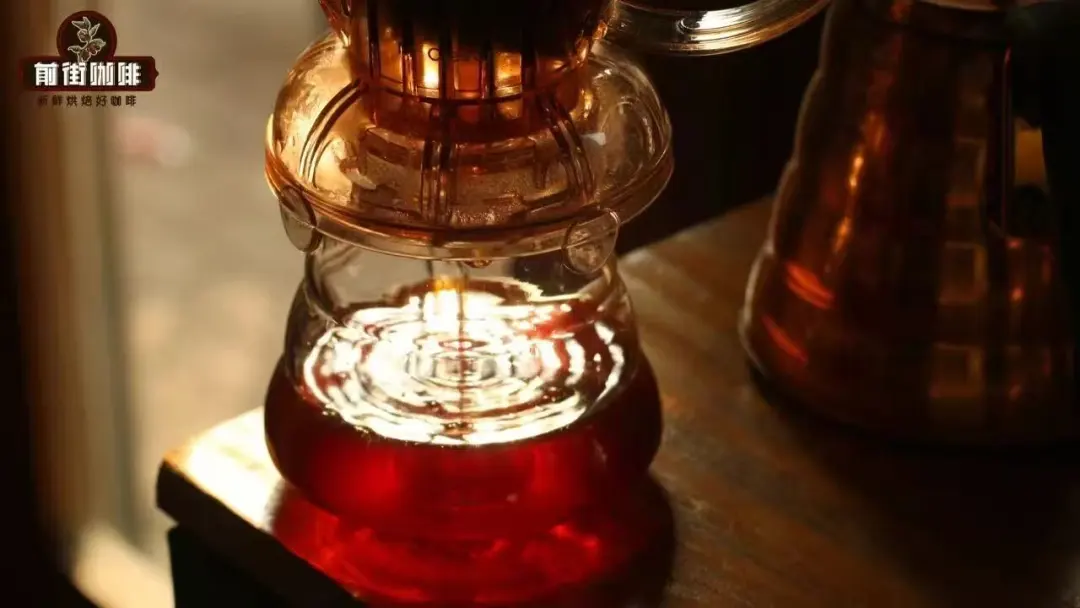
There are significant differences in flavor expression between immersion brewed coffee and pour over coffee. Pour over coffee, due to its shorter brewing time and less uniform extraction, often showcases a richer layering of flavors. In contrast, immersion brewed coffee, with the coffee grounds fully soaked in water and each part being extracted at a similar efficiency, leads to a more consistent release of flavor compounds. As a result, the overall mouthfeel is more balanced, with a pronounced sweetness and a fuller body. Common flavor notes include strawberry, citrus, berries, and oolong tea—all clear and enjoyable.
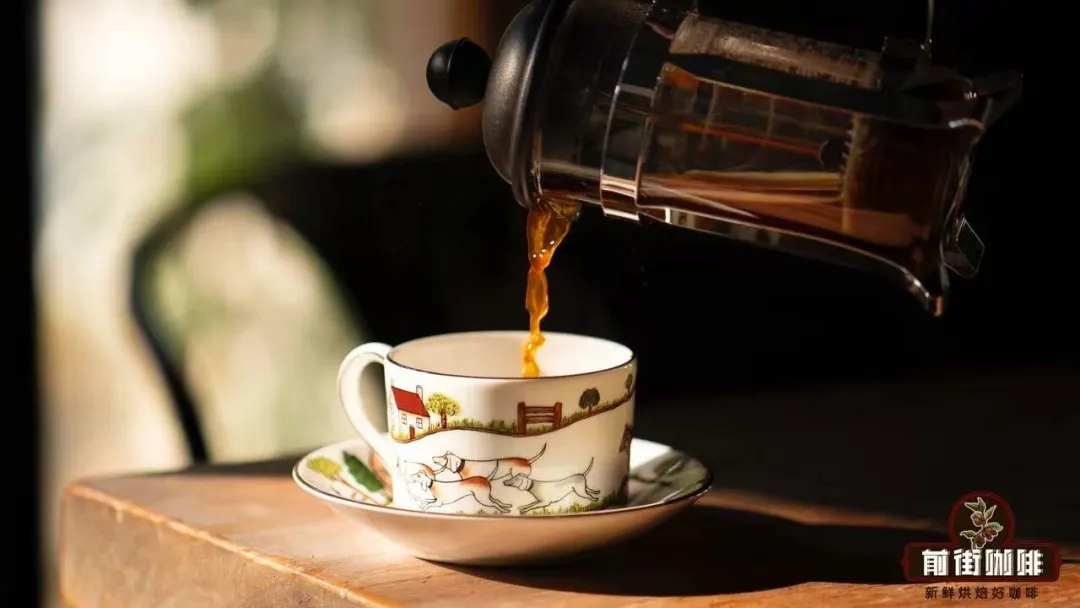
In summary, immersion coffee brewing is a simple, beginner-friendly, and highly stable method of making coffee. Compared to pour over or other complex techniques, it not only involves fewer steps but also has a higher tolerance for parameter variations, making it perfect for everyday drinking or for beginners to practice with. As long as you master the basic principles of coffee-to-water ratio, water temperature, and grind size, you can easily brew a well-balanced and flavorful cup—definitely worth trying for every coffee lover.

The above content is compiled by CoffeeHunters, a coffee news website.


