







Introduction:Have you ever wondered why some coffee shops offer free refills on Americano, while others charge a premium? The answer lies closely in their brewing methods. The Americanos available on the market mainly fall into two categories: espresso diluted with hot water, and drip-brewed black coffee. This article will delve into the ingredients, equipment, extraction parameters, and flavor profiles of both, helping you understand the reasons behind the price differences and master the tips for choosing an Americano that suits your taste.
For many office workers, a rich cup of Americano is a daily morning energy booster—not only helping to stay alert but also pairing perfectly with breakfast. However, when visiting different coffee shops, you may find that the prices of Americano vary drastically, with some even offering unlimited refills. Behind this lies two mainstream brewing methods: one involves extracting espresso using an espresso machine and then diluting it with water, while the other uses a drip brewer to slowly extract black coffee. Aside from the difference in brewing methods, there are also significant variations in coffee bean selection, equipment investment, extraction time, flavor expression, and cost structure.
So what exactly is an Americano? In fact, there is no completely unified definition of this term among industry professionals and consumers. To some customers, any dark-colored black coffee might be loosely referred to as an Americano; but from a professional standpoint, Americanos are generally divided into two main types: one is made by combining espresso extracted from an espresso machine with hot water in proportion, which is the method used by most specialty coffee shops; the other is produced using an electric drip brewer, where hot water passes through coffee grounds via a filter paper to slowly extract the coffee’s components—a method very common in offices, homes, and some affordable chain stores.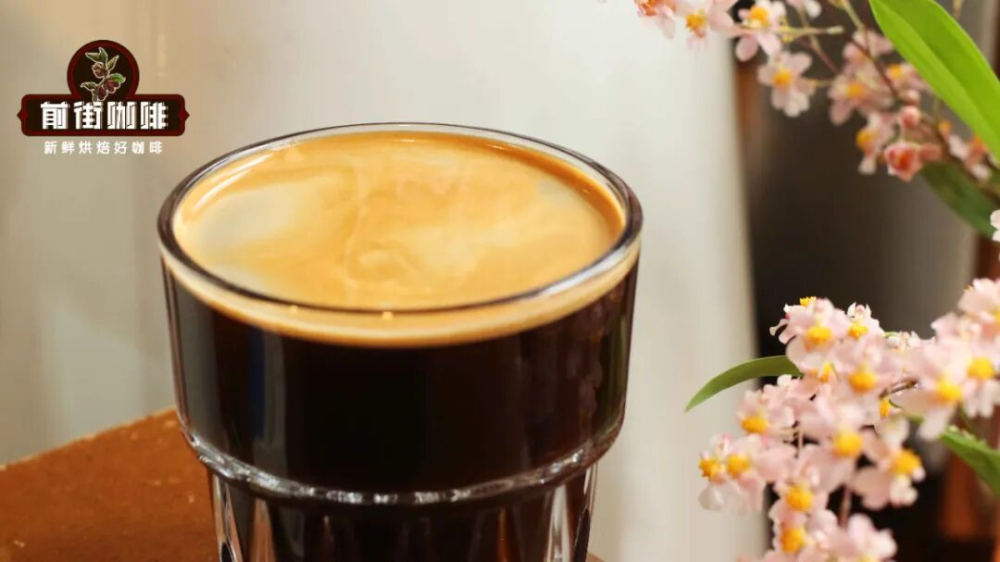
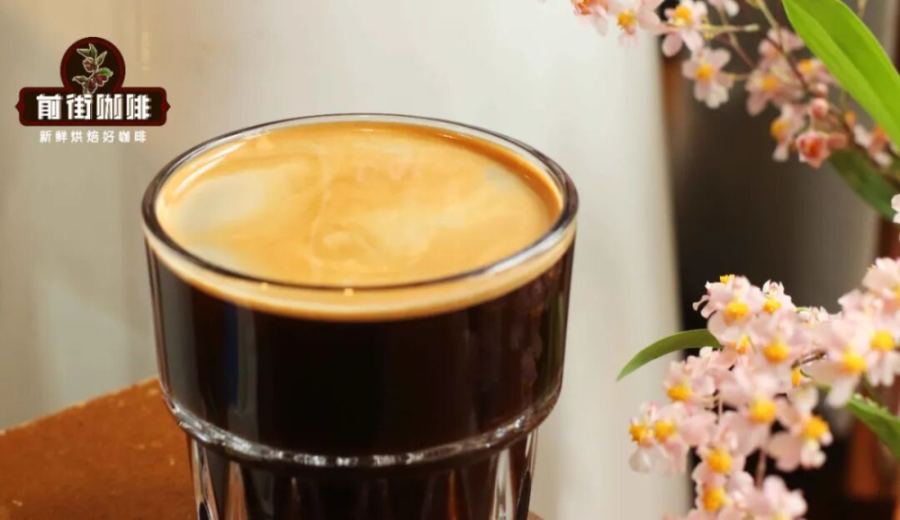
In the specialty coffee field, an Americano typically refers to black coffee made by diluting espresso with hot water. This method usually uses about 20 grams of medium-dark roasted beans—such as Golden Mandheling—extracted under 9Bar pressure for 26 seconds, yielding around 38 grams of concentrated espresso. This concentrated shot has a distinct crema, exuding rich caramel and spice aromas, and is then blended with about 250 milliliters of hot water. The final result offers a bold black cocoa and roasted nut flavor with a mild sweetness in the aftertaste. Because this type of Americano requires specialized equipment and techniques, it is mostly found in professional coffee shops and is priced relatively higher.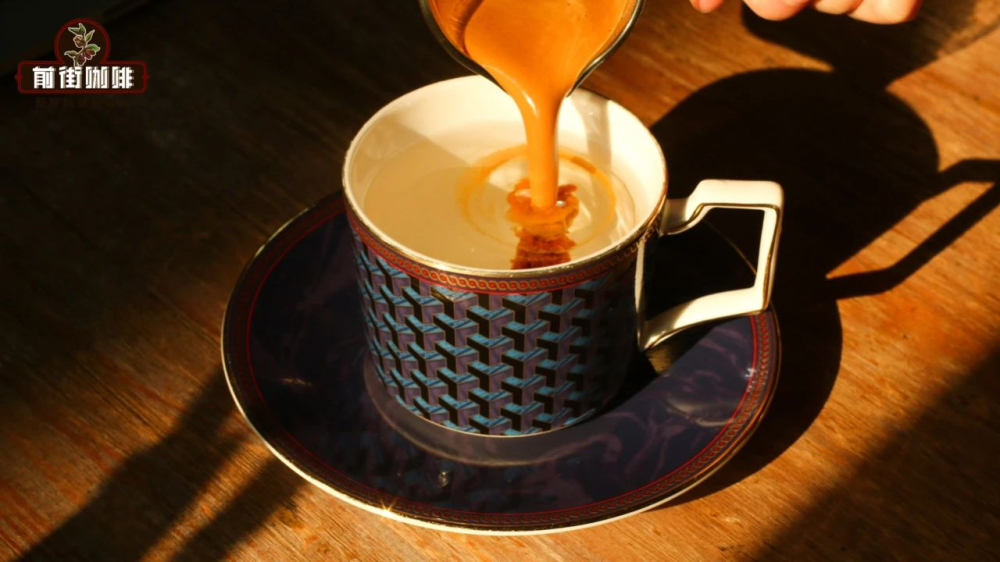
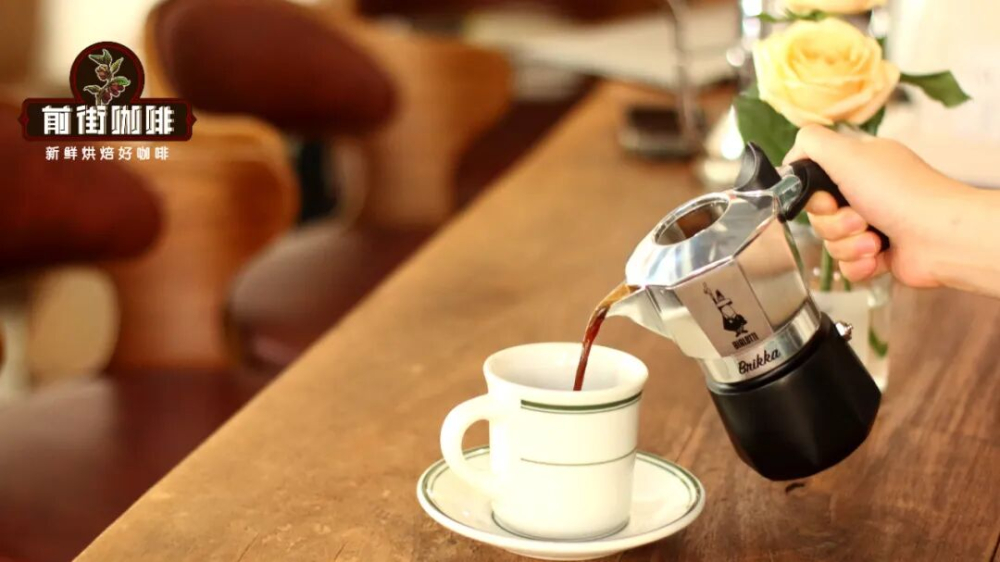
In contrast, making Americano with a drip brewer is much simpler. These brewers are often electrically powered and use a paper filter system. Users only need to set the desired water volume, add an appropriate amount of coffee grounds (the recommended ratio is generally 1:15 to 1:18), press the switch, and hot water will evenly drip through the coffee layer. The extraction time usually ranges from 4 to 6 minutes. Since no pressure is applied during the process, the resulting coffee has a lighter flavor, more pronounced acidity, and weaker complexity, but it excels in ease of operation and requires no special skills. As such, it is widely used in homes, offices, and hotels, and is also much more cost-effective.
If the same coffee beans—for example, Golden Mandheling—are brewed using both espresso and drip methods, the flavor difference becomes immediately apparent. The espresso version, due to high-pressure extraction, can fully release the oils and complex aromas within the beans, offering a rich and thick mouthfeel with deep notes of dark chocolate and subtle spices. On the other hand, the drip version focuses more on gentle caramel flavors, with a relatively lighter taste, but the aroma complexity and aftertaste duration are clearly inferior. However, the drip method excels in stability; as long as the water temperature and grind size are well controlled, even beginners can easily handle it.
So why can some Americanos be offered for free refills, while others are priced expensively? The key factors are cost and target customer base. Specialty coffee shops, aiming to provide the best flavor experience, often select high-quality single-origin beans with medium-dark roasts—such as Panamanian Natural Geisha. These beans come at a higher cost, and the Americanos made from them may be priced as high as 48 RMB, significantly more than the average. In contrast, chain brands mostly use dark-roasted commercial beans to ensure consistent output across different outlets and to lower operational barriers. Their prices typically range from just a few RMB up to twenty or thirty RMB.
As for those “Americanos” that come with free refills, they are usually part of a “coffee all-you-can-drink” promotional strategy by businesses, focusing on meeting customers’ basic caffeine needs rather than pursuing complex flavor layers. These coffees are often made using commercial-grade drip brewers paired with low-cost dark roast coffee powder. Although the taste is relatively thin, they can be supplied in large quantities at extremely low costs, supporting a business model centered on “letting customers drink their fill.” Therefore, if you’re looking for affordability and a caffeine boost, free-refill Americanos remain a good choice; but if you care about flavor and extraction quality, it is recommended to go for black coffee made with an espresso machine or carefully controlled pour over parameters to truly experience the diverse charms of coffee.
The above content is compiled by CoffeeHunters, a coffee news website.


