








Introduction:Many beginner coffee enthusiasts believe that tamping pressure determines the outcome of extraction, but the truth is not so intuitive. A certain coffee brand conducted a practical test by tamping 20g of medium-dark roasted blended beans with pressures of 2kg, 5kg, and 20kg, and found that the extraction time and flavor were almost identical. This article delves into the principles of tamping, exploring the relationship between tamping force, channeling effects, and extraction stability, to help you master more scientific espresso tamping techniques.
Many coffee lovers who are just starting to explore espresso often have an intuitive misconception: they believe that the harder you tamp, the denser the coffee puck becomes, increasing water resistance and naturally extending the extraction time; conversely, if tamped lightly, the puck is looser, allowing water to pass through more easily and shortening the extraction time. This logic may sound reasonable at first, but is it really the case in practice?
A certain coffee brand specifically tested this common myth: using their popular medium-dark roasted espresso blend, they extracted 20g of coffee at a 1:2 brew ratio, tamping the puck with 2kg, 5kg, and 20kg of force respectively. The results were surprising — the extraction times under the three different pressures were 29 seconds, 30 seconds, and 30 seconds, showing almost no significant difference, and the flavor profiles were also quite similar, all showcasing a balanced profile of chocolate, caramel, cream, and butter, with a rich body and long-lasting aftertaste.

Does this experimental result mean that tamping pressure has no effect on extraction whatsoever? In fact, there is an impact, but it is far less critical than most people imagine. The key lies in the fact that the pressure applied by an espresso machine during extraction is typically around 9 bar, which equates to approximately 243kg of pressure on a 58mm-diameter puck — roughly the weight of four adults, far exceeding the force achievable through manual tamping.
Precisely because the extraction pressure of the espresso machine itself is so high, it can effectively penetrate even very dense coffee layers in a short period of time, extracting a rich array of flavor compounds. Therefore, the few kilograms of force we apply during tamping have minimal impact on the final extraction time and flavor.
However, this does not mean that the tamping step can be ignored. Proper tamping is still important, primarily to reduce the likelihood of “channeling.” Channeling occurs when water flows through the puck and, finding areas of lower resistance, preferentially passes through these paths, leaving other parts of the coffee under-extracted and thus affecting the overall flavor balance and extraction uniformity.

Generally speaking, the espresso extraction process involves distributing the coffee grounds first, then tamping, followed by the machine beginning pressurized extraction. If the distribution or tamping is done improperly, too many gaps may remain within the puck, creating “shortcuts” for the water flow, leading to uneven extraction.
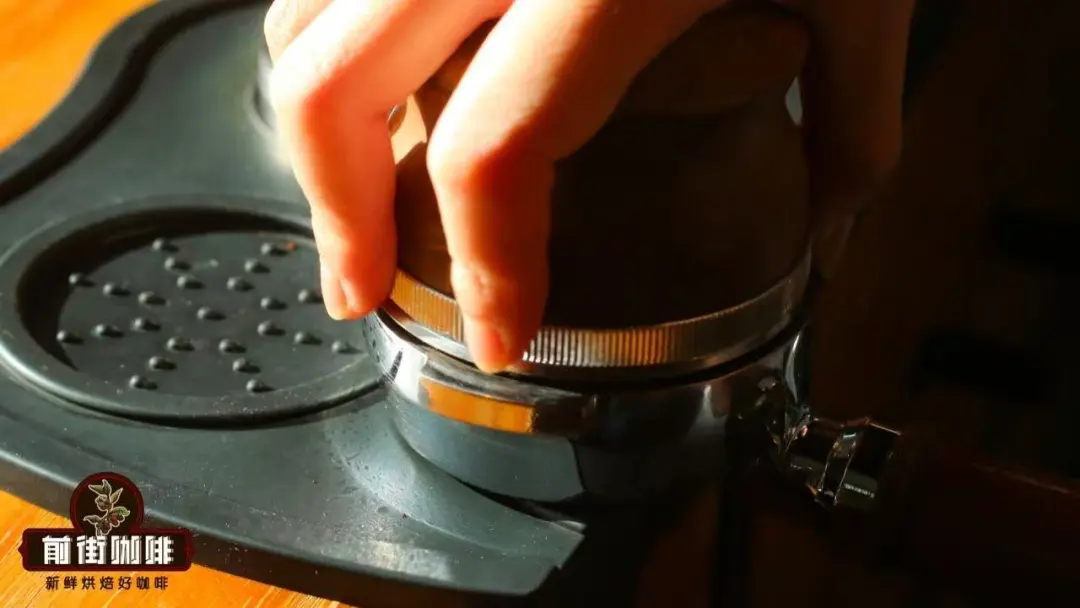
Therefore, applying a certain amount of pressure during tamping helps to create a denser internal structure in the puck, reducing these gaps that could form fast water channels and thereby lowering the chance of channeling. However, it’s important to note that the focus of tamping is not on “tamping as hard as possible,” but rather on “tamping evenly.”
Compared to chasing extreme tamping pressure, what’s more crucial is ensuring that the puck surface is level and the pressure distribution is even, avoiding situations where one side is higher or lower than the other. If the puck surface is uneven, water will still instinctively flow toward the path of least resistance — the lower side — during extraction, which can also cause uneven extraction and negatively affect the final taste and flavor profile of the coffee.

Therefore, for baristas or enthusiasts aiming to improve the quality of their espresso, the “evenness” of tamping matters more than the “amount of force.” It is recommended to use tamping tools with pressure indicators or tactile training functions, or to develop stable and even tamping skills through tactile training.
In summary, although the impact of tamping pressure on extraction time is limited, proper tamping remains an important step for stabilizing extraction and reducing channeling. From this practical test, we can see that whether using 2kg, 5kg, or 20kg of tamping force, as long as other variables are well controlled, the impact on extraction results is relatively minor. However, the evenness of tamping directly affects the stability of extraction and the consistency of flavor.
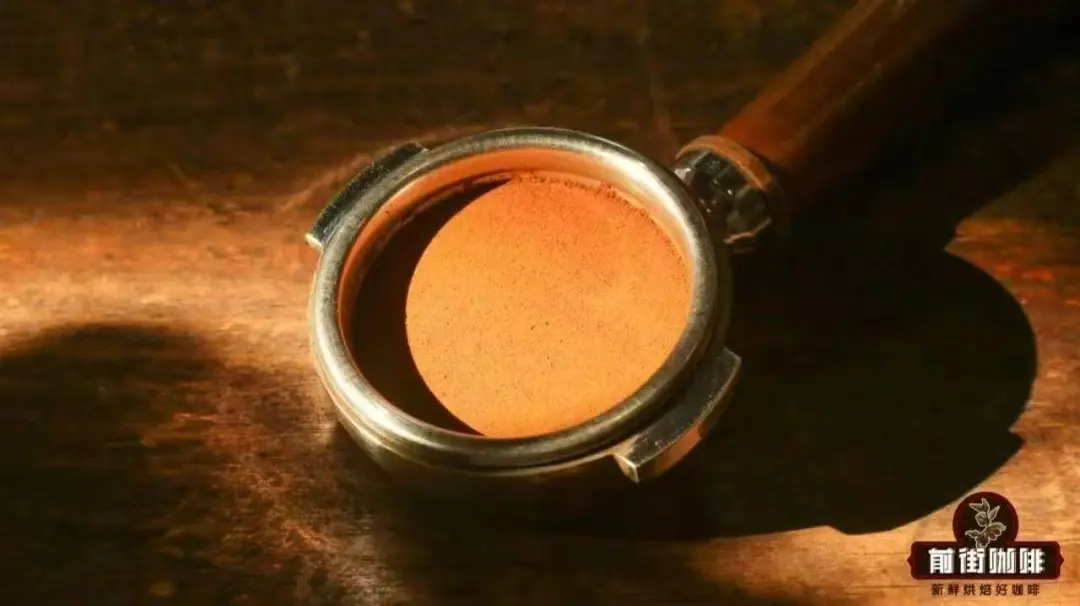
If you wish to further enhance the extraction quality of your espresso, consider focusing on achieving stable and even tamping rather than simply chasing greater pressure. A stable puck leads to more balanced and consistent extraction results — this is the foundation of professional espresso making.

Lastly, remember that besides tamping technique, the evenness of coffee distribution, the grind size of the burr grinder, the freshness and roast level of the coffee beans also directly affect extraction performance. It is advisable to optimize the entire process in order to truly elevate the quality of every cup of espresso.
The above content is compiled by CoffeeHunters, a coffee news website.


