







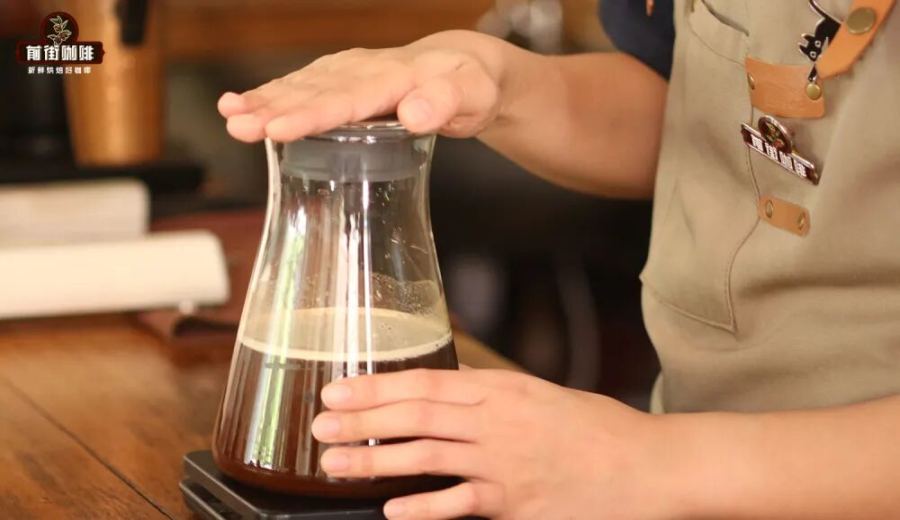
Introduction:Cold brew coffee excels in low-temperature extraction, delivering a refreshing flavor profile that’s perfect for summer. But did you know that using ice water versus room temperature water to make cold brew can actually result in vastly different taste experiences? This article compares the extraction differences between the two methods through practical testing, analyzing their performance in terms of flavor complexity, bright acidity, and extraction efficiency. It also recommends several coffee beans well-suited for cold brew, helping you adjust your recipe and parameters based on taste preferences.
Cold brew coffee has become a popular brewing method in recent years. It primarily involves steeping coffee grounds in cold water for an extended period, allowing the slow release of flavor compounds in a low-temperature environment—resulting in a coffee that’s refreshing, softly acidic, and low in bitterness. Traditional methods often use room temperature or chilled water for extraction, but what changes occur when you switch to ice water? This article will delve into the differences between the two approaches through experimentation, offering practical brewing advice and bean recommendations.
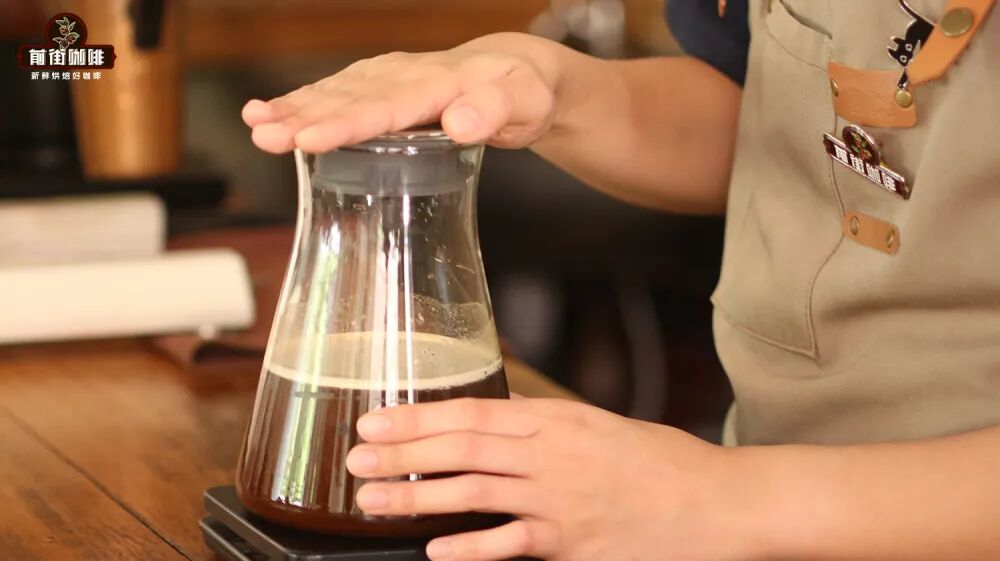
Known as cold brew, this technique refers to the process of extracting coffee using cold water. The general method involves mixing coarsely ground coffee with cold water (typically room temperature or chilled) and letting it sit in the refrigerator for several hours. During this time, the soluble compounds in the coffee slowly dissolve, and the grounds are eventually filtered out to yield a clear coffee liquid. This method avoids the excessive bitterness and unwanted impurities often released during high-temperature extraction, making it ideal for highlighting the floral, fruity, and sweet notes of the coffee.
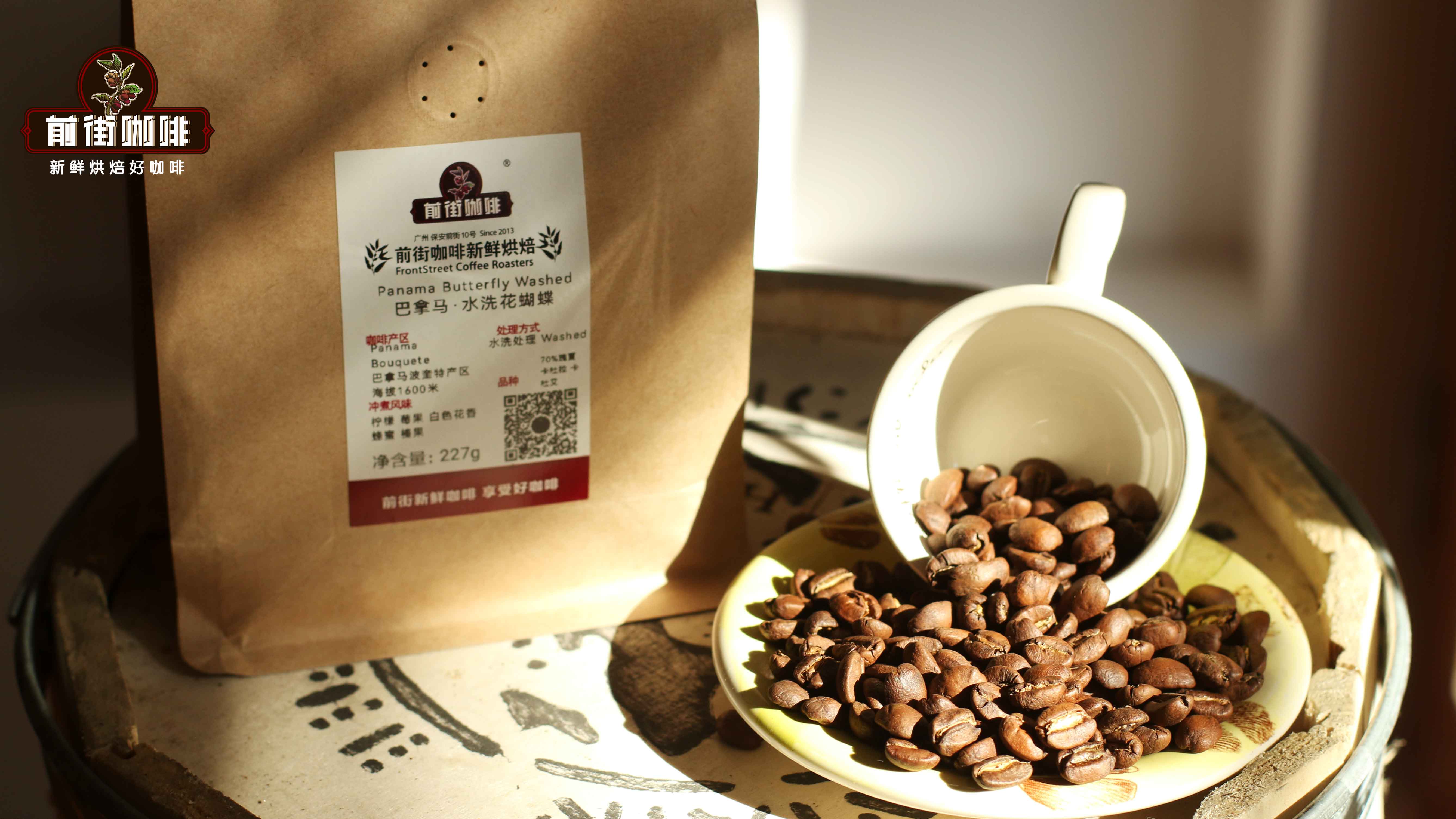
Since cold brew coffee generally leans toward a refreshing, fruity, and sweet profile, choosing light to medium roasted beans often brings out its best qualities. Especially if you’re aiming for the bright fruitiness akin to iced pour-over coffee, one brand’s "Butterfly Pea" washed beans are an excellent representative choice. This blend contains about 70% Geisha lineage and, after washed processing, showcases bright citrus, oolong tea aromas, and delicate floral notes—making it highly suitable for cold brew.
If you prefer cold brew with a sweet, fruity character, you might want to try the "Strawberry Candy" blend, which combines characteristics of Costa Rican honey-processed beans and Panamanian Geisha. When brewed cold, it often releases enticing aromas of grapes, roses, and strawberry taffy, and with extended steeping time, it may even develop a slight fermentation note reminiscent of fruit wine. This bean produces a high level of flavor complexity during cold brewing, making it ideal for those who enjoy intense fruit flavors.
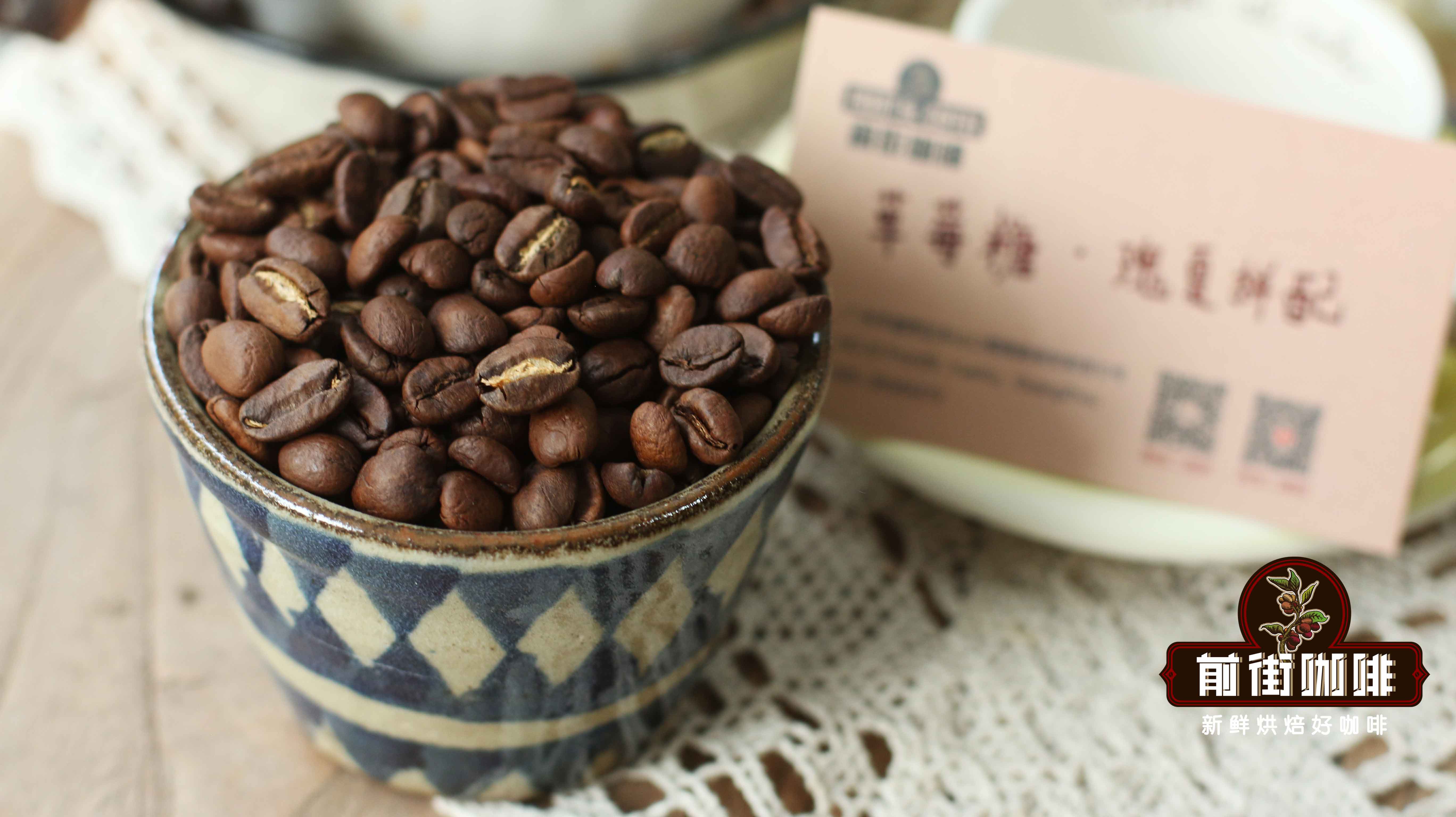
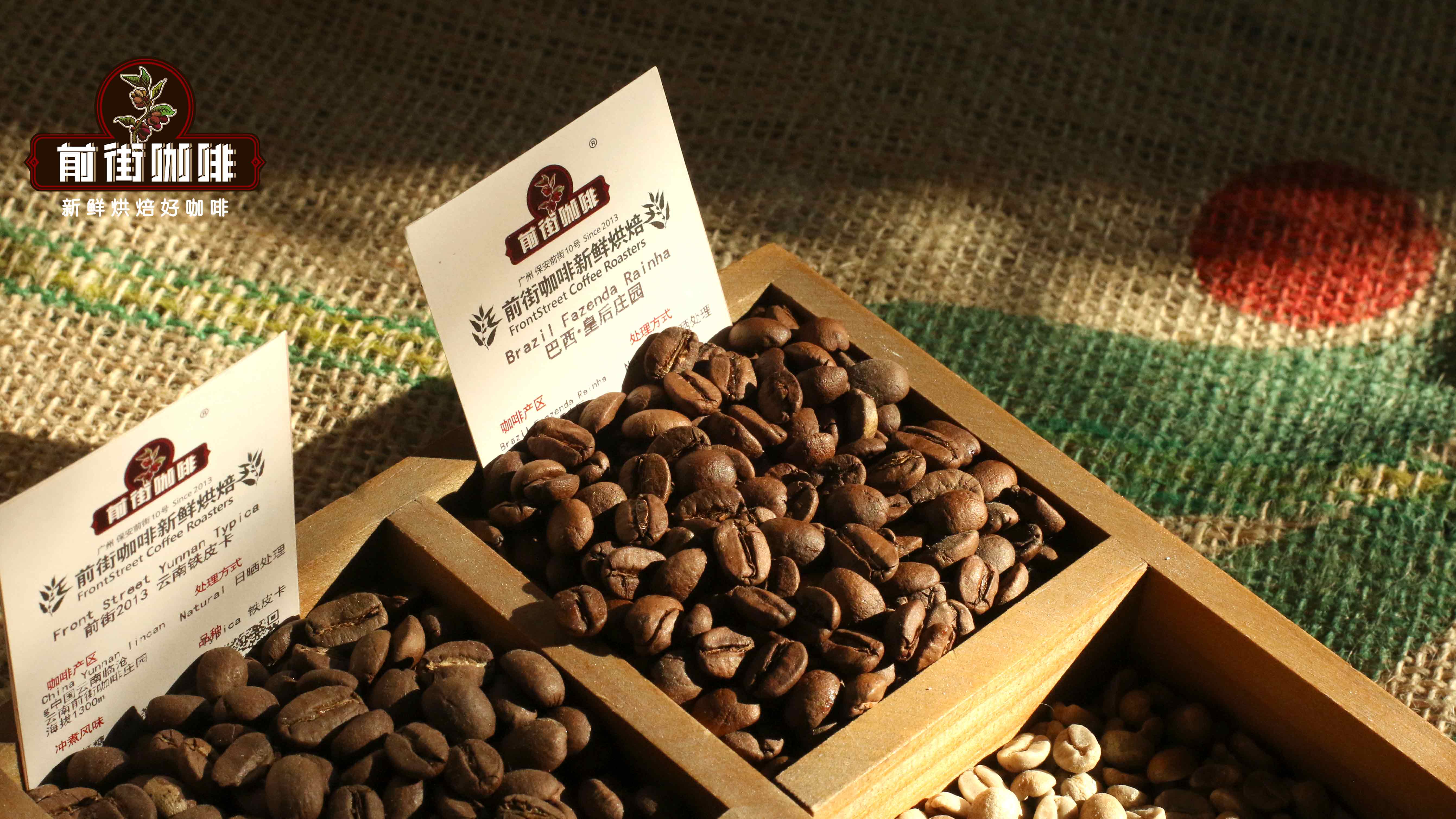
For consumers looking to enjoy cold brew with milk, medium to dark roasted beans are recommended—for example, the "Brazilian Queen Estate." This bean is known for its rich body, low acidity, and balanced bitter-sweet ratio. After cold brewing, it offers flavors of nuts, peanuts, and chocolate, with a smooth mouthfeel and no harshness. It’s worth noting that because dark roasted beans have a higher degree of caramelization, overly long steeping times can lead to heavy smokiness and bitterness. It’s advisable to keep the brewing time between 12–16 hours.
But did you know that cold brew isn’t limited to room temperature water? Using ice water can also produce cold brew—and the results may differ significantly from the room temperature version. In fact, this experiment used the same coffee beans—"Colombia Dadou Navel"—brewed separately with room temperature water and ice water, while keeping other conditions similar and only altering the water temperature and some parameters to observe the differences in flavor expression.
The room temperature water setup was as follows: 20 grams of Dadou Navel beans ground to sugar-like coarseness (approximately 80% passing through a #20 sieve, equivalent to EK43s grind setting 9.5 or C40 setting 24), mixed with 240 grams of purified water for a 1:12 coffee-to-water ratio. The coffee grounds and water were combined in a sealed container, stirred thoroughly, and then refrigerated. After 12 hours of steeping, the grounds were filtered out. Under these parameters, the coffee exhibited a deep color, with a flavor dominated by berries such as blueberries and grapes, bright acidity reminiscent of grapefruit, moderate fermentation notes, and a full body. The finish carried a slight bitterness.
The ice water setup was slightly adjusted: the same 20 grams of coffee beans were used, but because the ice water temperature was lower (around 0–10°C), the grind size was slightly finer—to 82% passing through a #20 sieve (equivalent to EK43s setting 9 or C40 setting 22)—to improve extraction efficiency. Additionally, due to the large volume of ice cubes used and their slow melting rate, the coffee-to-water-to-ice ratio was adjusted to 1:8:4, meaning 20 grams of coffee, 160 grams of water, and 80 grams of ice, resulting in a slightly smaller total liquid volume compared to the room temperature version. The mixture was stirred evenly and left to steep for 12 hours before filtering.
Upon actual tasting, it was found that the room temperature cold brew had a darker liquor color, with a strong fruity aroma like blueberries and grapes, bright acidity with a certain level of fermentation complexity, a relatively full body, and a finish with a hint of bitterness. In contrast, the ice water cold brew was surprisingly refreshing: when filtered, there were still some unmelted ice crystals, resulting in a slightly smaller yield of coffee liquid. However, the flavor was unexpectedly clean and invigorating, offering a burst of fruity notes upon the first sip—including grapes, pineapples, oranges, and cherries—with a well-balanced sweet and sour profile and almost no bitterness. The overall impression was akin to a blended juice—crisp and sweet.
Why does ice water cold brew present such a distinct flavor profile? The key lies in the direct impact of water temperature on extraction efficiency. Generally speaking, the higher the temperature, the faster the soluble compounds in coffee are released—and vice versa. Room temperature water ranges between 18–27°C, while ice water falls within 0–10°C, resulting in a noticeably slower extraction rate. This means that within the same brewing time, ice water cold brew extracts fewer flavor compounds, especially those sweet and bitter substances that typically require higher temperatures to be effectively released.
Moreover, coffee beans contain hundreds of different volatile and water-soluble compounds. The typical order in which these substances are released is acids → sweetness → bitterness. In a low-temperature environment, acids and certain volatile fruity-aromatic compounds are more easily released, whereas caramel-like sweetness and bitter compounds—which are more soluble at higher temperatures—are significantly suppressed. This is precisely why ice water cold brew often presents a cleaner, more refreshing, and brighter sweet-and-sour flavor profile, making it well-suited for those who prefer prominent fruitiness and a crisp mouthfeel.
The above content is compiled by CoffeeHunters, a coffee news website.


