







Introduction:Many coffee enthusiasts prefer dark roasted beans with a smooth mouthfeel and subdued acidity, but how exactly does roast level reduce acidity? This article delves into the impact of roasting on coffee acidity, analyzing how different processing stages shape the final flavor profile, and carefully selects three commonly available, very low-acidity dark roast beans on the market—including Brazilian Queen’s Estate, Indonesian Golden Mandheling, and Jamaican Blue Mountain—to help readers find low-acid options that suit their taste.
Many coffee drinkers often hope to find a coffee bean that is “completely free of acidity,” yet in reality, almost all natural coffee beans contain some degree of acidic compounds, such as citric acid and malic acid, which contribute to the unique acidity of coffee. So-called “acid-free coffee” is more accurately described as “coffee with extremely light, barely perceptible acidity,” rather than being entirely devoid of acid.
So why do some coffees taste noticeably acidic while others hardly at all? Key factors include coffee variety, growing environment, green bean processing method, and most importantly—roast level. Among these, the degree of roasting has the most direct impact on acidity expression and is also the variable consumers have the most control over.
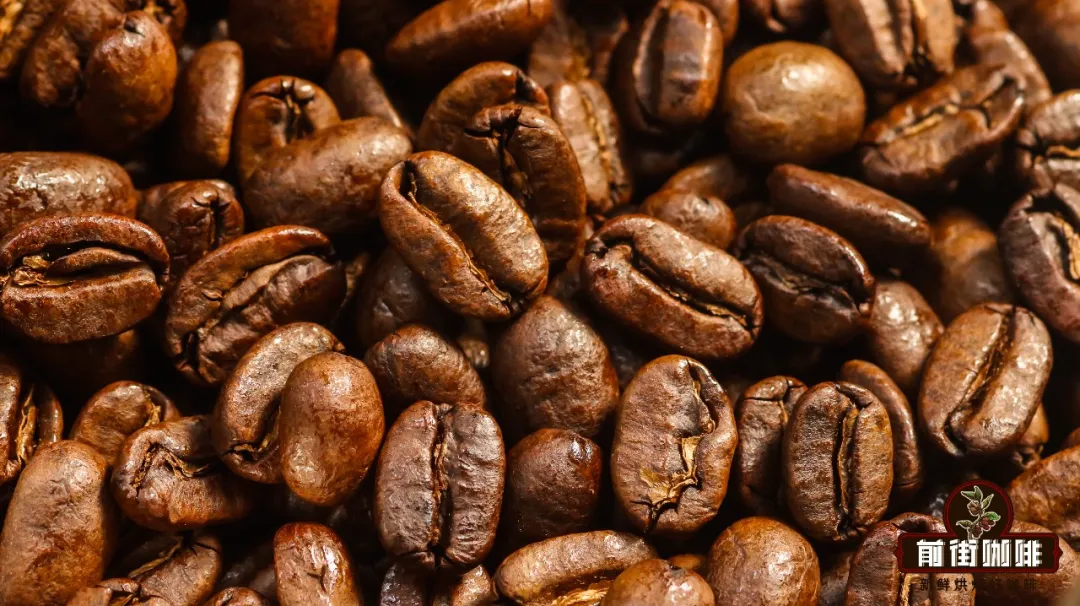
Generally speaking, the darker the roast, the more the acidic compounds inside the bean are gradually broken down by high temperatures and transformed into other chemical substances, such as quinones that bring bitterness, as well as rich caramel and chocolate flavor compounds. As a result, dark roasted coffee is often considered to have lower acidity, with bitterness and intense roasted aromas becoming more prominent, which makes the acidity less noticeable or even completely masked.
The commonly heard saying: “light roast is more acidic, dark roast is more bitter,” reflects the relationship between roast level and the balance of sweetness and acidity in coffee. Light roasts preserve more of the original flavors and acidity, while dark roasts use high temperatures to induce Maillard reactions and caramelization, further developing rich caramel, nutty, and chocolate notes—these complex aromas usually overshadow any remaining acidity.
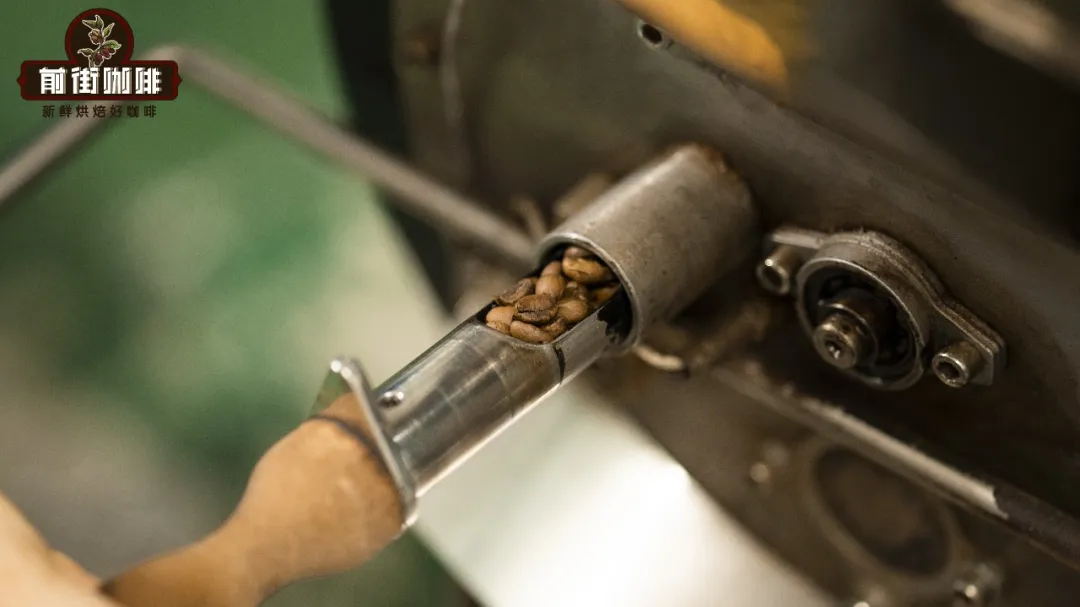
This is why many people, when tasting dark roast coffee, can hardly detect any obvious acidity. However, this doesn’t mean the coffee is entirely free of acidic components; rather, the content of these components is extremely low and overwhelmed by stronger bitterness and roasted aromas. If you wish to further reduce the perception of acidity, it is recommended to choose beans in the medium-dark to dark roast range and appropriately adjust the brewing method to avoid over-extraction, which can lead to bitterness and astringency, and will also help make acidity even less noticeable.
For readers seeking a low-acid flavor profile, we’ve selected three popular, flavor-stable, and very low-acidity dark roast beans on the market, suitable for those who enjoy a mild and mellow cup. The first is from a renowned estate in Brazil, medium-dark roasted, with an overall gentle flavor that is not overly aggressive; upon tasting, the acidity is almost imperceptible, instead showcasing delicate nutty, creamy, and brown sugar sweetness, with a clean and lingering aftertaste—making it a classic representation of smooth dark roast.
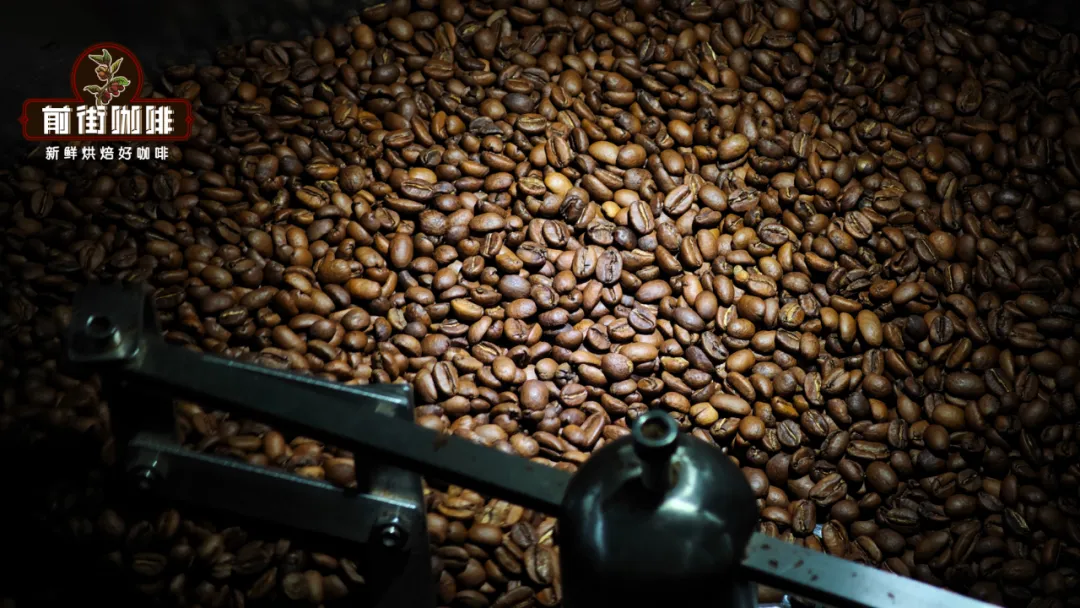
The second recommendation is Indonesian Golden Mandheling, produced by the well-known PWN, and falls into the dark roast category. Its flavor is bold and solid, with extremely low acidity and a good balance between bitterness and aroma, mainly expressing a composite profile of chocolate, spices, nuts, and caramel, with a thick texture and distinct layers, making it ideal for coffee lovers who enjoy strong yet refined flavors. This bean particularly excels in aroma and is suitable for brewing methods such as espresso or French press.
The third option is Jamaican Blue Mountain coffee, which, although also within the dark roast range, has a relatively softer tone compared to typical dark roast beans. This coffee still demonstrates a refined balance of flavors even when deeply roasted, with acidity almost undetectable, replaced instead by rich chocolate, nutty, and creamy aromas. It has a full-bodied yet clean mouthfeel, with an elegant and long-lasting aftertaste that carries a hint of the refined character unique to the Blue Mountain region—perfect for quiet savoring.
In summary, if you prefer coffee with minimal acidity and either a mild or bold mouthfeel, consider beans in the medium-dark to dark roast range. The choice of roast level will directly determine whether you can enjoy a cup of coffee with almost no acidity. Also, remember to adjust brewing time and water temperature based on your brewing method and grind size to achieve the best flavor. These three beans are all well-regarded low-acid dark roast representatives on the market and are worth trying based on your personal taste.
The above content is compiled by CoffeeHunters, a coffee news website.


