








Introduction:Many coffee enthusiasts believe that light roast beans are not suitable for making espresso, but in fact, as long as you master the correct grinding and extraction techniques, they can also showcase captivating berry and floral flavors. This article provides a detailed case study on how to adjust grind size, extend extraction time, and optimize milk-to-coffee ratios, allowing you to easily create a sweet and sour balanced, smooth-textured espresso with light roast beans—whether it’s for Americano or latte.
Many coffee lovers have a common question: can light roast coffee beans really be used to make espresso? The answer is yes. However, compared to medium or dark roast beans, light roast beans are denser and less brittle, often resulting in coarser grinds under the same settings, which can lead to under-extraction and produce sharp, sour, and astringent notes. This article takes a well-known Ethiopian variety—Huakui—as a practical example, guiding you through adjusting grind fineness, extending extraction time, increasing extracted liquid volume, and fine-tuning milk-to-espresso ratios, so that even light roast beans can deliver a smooth, sweet-and-sour espresso with fruity and floral notes. Whether you want to try straight espresso or a latte, these practical parameters will help you get started quickly.

Sometimes customers want to switch things up and ask whether a certain light roast bean is suitable for making espresso or if it’s difficult to work with. In fact, one well-known coffee shop frequently receives such inquiries. “Absolutely no problem!” is their standard reply. While it does require a bit more finesse to produce a delicious light roast espresso compared to medium or dark roasts, it’s definitely achievable. Next, let’s explore how to make a satisfying cup of espresso using light roast beans.

When you first try making espresso with light roast beans, you might encounter unpleasant flavors like “sharp acidity,” “puckering mouthfeel,” or “astringency”—reasons why many give up after just one attempt. However, these are actually the results of improper adjustment. Light roast beans, due to their lighter degree of roasting, do retain more acidic compounds, but with proper extraction, they can also exhibit the soft, rounded sweet-and-sour profile similar to pour over coffee—smooth and refreshing like juice.
To achieve a sweet-and-sour balanced light roast espresso, the primary task is to ensure the coffee is fully extracted. Those unpleasant sharp and sour notes actually stem from under-extraction, not excessive strength. When the flavor compounds in the coffee—especially the sweet and bitter elements—are not fully released, the acidity tends to stand out and become overly piercing. Some people, when trying light roast for the first time, simply replace dark roast beans with light roast without adjusting any parameters. As a result, due to too short an extraction time, the hot water fails to dissolve enough flavor, leading to a failed extraction.
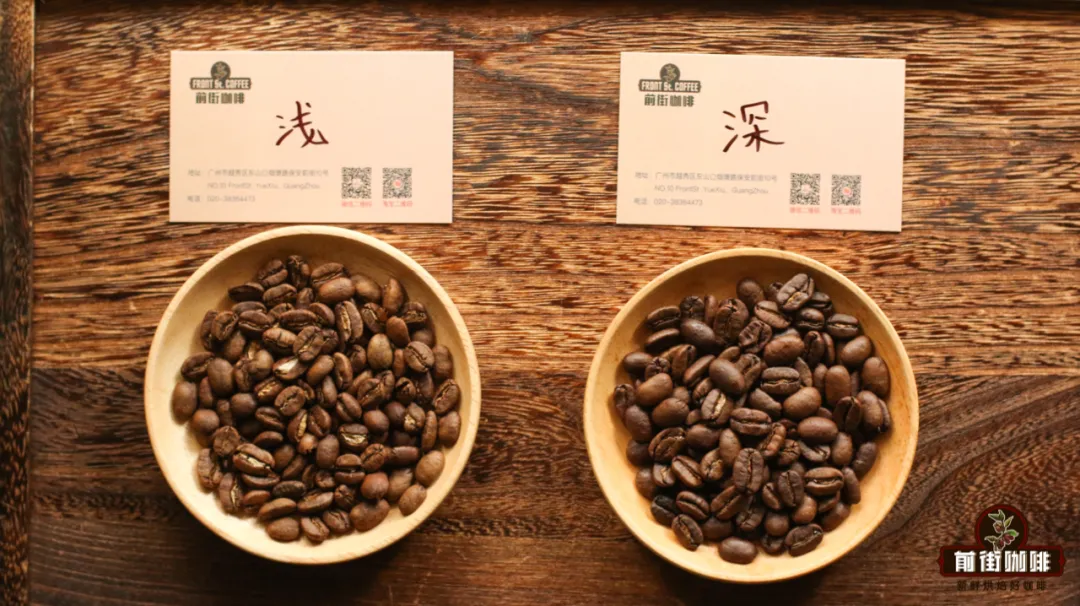
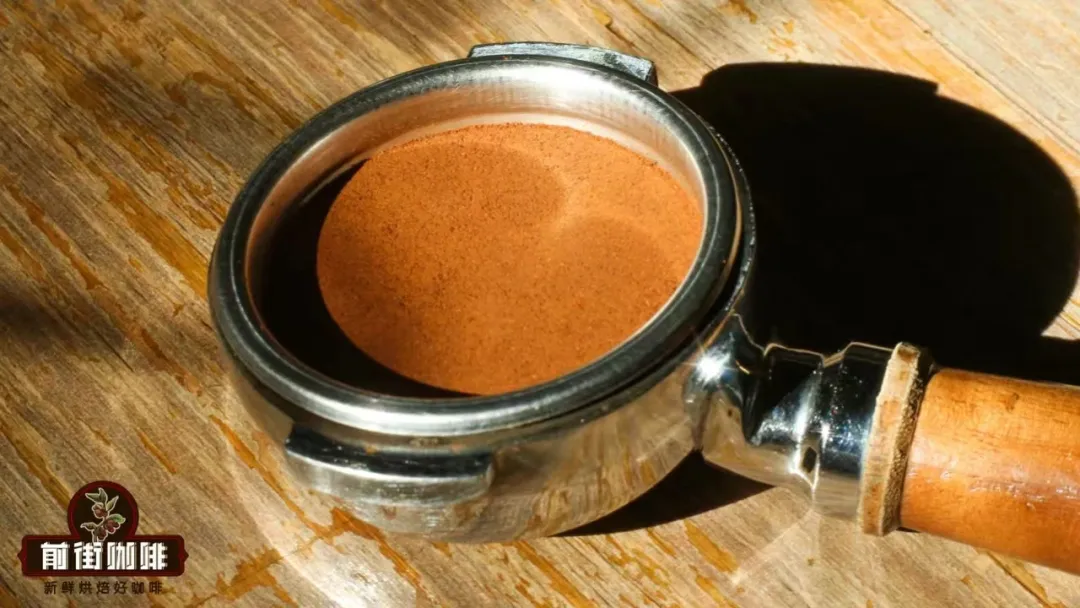
The key here lies in the clear textural differences between light and dark roast beans. Dark roast beans usually have a high expansion rate and greater brittleness, producing more fine particles during grinding. Therefore, under the same grind settings, the resulting grounds are often finer than those of light roast beans. In contrast, light roast beans are denser and less brittle, so even with the same grind setting, the resulting grounds are relatively coarser. If you directly apply the dark roast grind settings to light roast beans, the resulting powder will be coarser, reducing puck resistance and causing the hot water to pass through too quickly. As a result, the espresso machine cannot generate enough pressure, significantly lowering extraction efficiency. The coffee lacks the support of sweetness and bitterness, making the acidity particularly harsh.
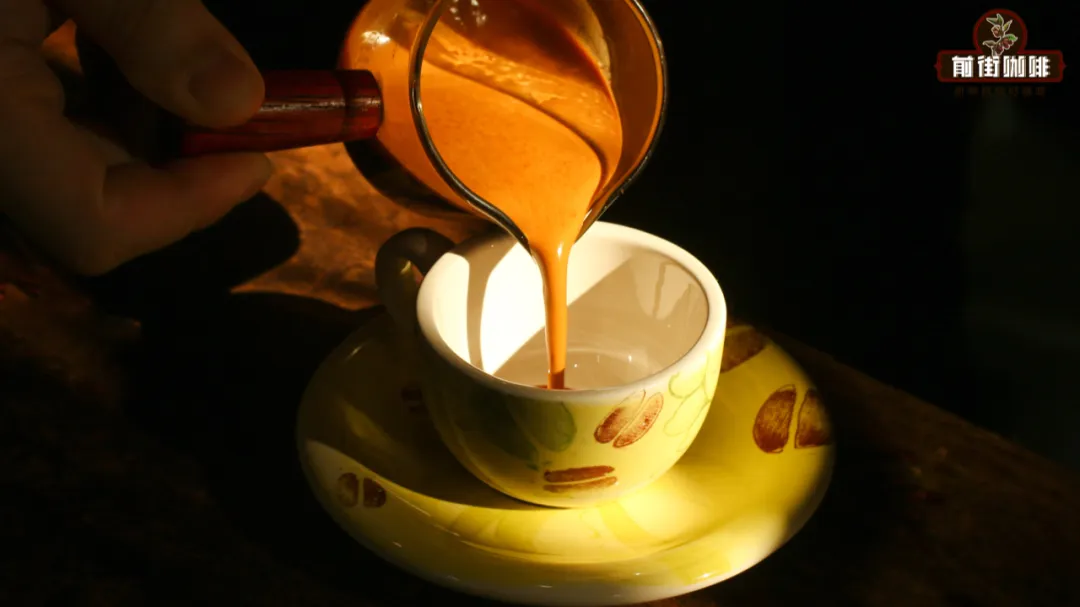
Therefore, when using light roast beans to make espresso, the recommended first adjustment is to make the grind finer—suggested to be two to three notches finer than your usual dark roast setting. For example, when using a well-known medium-dark roast espresso blend to make espresso with a Galileo grinder, setting the grind at 1 allows 20 grams of coffee to yield 40 milliliters of espresso in about 28 to 32 seconds, with a balanced flavor profile where notes of chocolate, nuts, cream, and caramel are clearly distinguishable. But when switching to a medium-light roast Ethiopian variety—Huakui—the grind should be adjusted to 0.6 on the Galileo scale, which is two notches finer than the original. Only by adjusting to this level can the espresso machine generate sufficient pressure and allow for proper extraction time. Using 20 grams of coffee, aim to extract around 40 milliliters of liquid, keeping the extraction time around 30 seconds. With this setup, although the espresso remains acidity-forward, the presence of adequate sweetness supports the profile, making the acidity smooth and non-piercing, while also revealing delicate citrus and berry notes.
When this espresso is diluted with 160 milliliters of water, it becomes an Americano. The dilution reduces concentration, allowing the flavor layers to unfold more fully. Beyond berries and citrus, you can also perceive subtle floral and strawberry notes. The overall profile is sweet-and-sour balanced and quite pleasing.
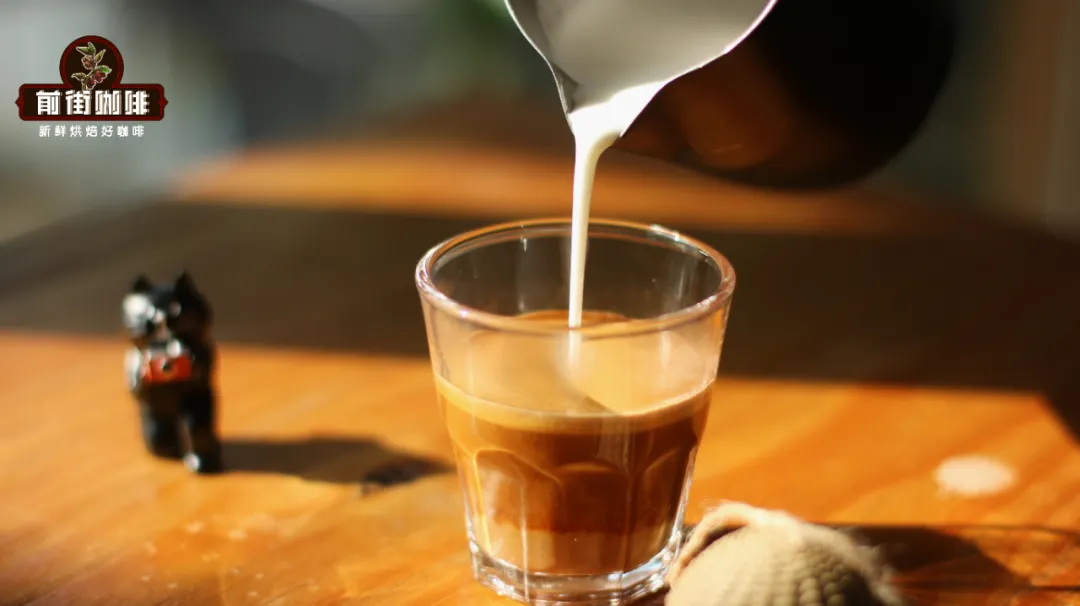
If you plan to use the light roast espresso for making a latte, it is recommended to further increase the extraction yield by extracting 3 to 5 milliliters more coffee. This increases the coffee’s sweetness and bitterness, helping to balance the flavor clash brought by the addition of milk, resulting in a more harmonious overall taste where acidity doesn’t overpower. It’s worth noting that since the flavor of light roast coffee is not as intense as that of medium or dark roasts, when pairing with milk, it’s advisable to slightly reduce the amount of milk to let the intrinsic flavors of the coffee shine. For example, when using a well-known espresso blend to make a latte, the typical coffee-to-water ratio is 1:5; but when switching to a well-known Ethiopian Huakui, it’s recommended to adjust the ratio to 1:4. With reduced milk, the berry and floral characteristics of the coffee become more pronounced, while still maintaining a silky and full-bodied mouthfeel—definitely worth a try.
These are the practical tips shared in this article. By following these guidelines to adjust your grind and extraction parameters, you can also easily make a sweet-and-sour balanced, flavorful espresso with light roast beans at home—whether it’s straight espresso or a latte.
The above content is compiled by CoffeeHunters, a coffee news website.


