








Introduction:The Gold Label and Red Label from Gesha Village are highly sought-after premium options for many coffee enthusiasts, yet they differ significantly in variety, growing region, and flavor profile. This article delves into Gesha Village’s grading system, exploring whether the Gold Label’s ‘Gesha 1931’ and the Red Label’s ‘Gori Gesha’ are traditional Gesha varieties in the conventional sense. We also provide a detailed comparison across roasting profiles, cupping results, and actual pour over flavors to help you choose the Gesha coffee that best suits your taste.
The Gold and Red Label coffees produced by Gesha Village Estate have long been focal points in the specialty coffee market. These two coffees not only differ markedly in grading and variety, but also exhibit distinct flavor directions. Many consumers often wonder: is the Gesha 1931 used in the Gold Label and the Gori Gesha used in the Red Label the same as the familiar Panamanian Gesha? Starting with Gesha Village’s grading structure, this article takes you through regional background, variety origins, and actual pour over flavor performance for a comprehensive breakdown of the differences between the Gold and Red Labels—helping you fully understand the secrets behind these two popular Gesha coffees.
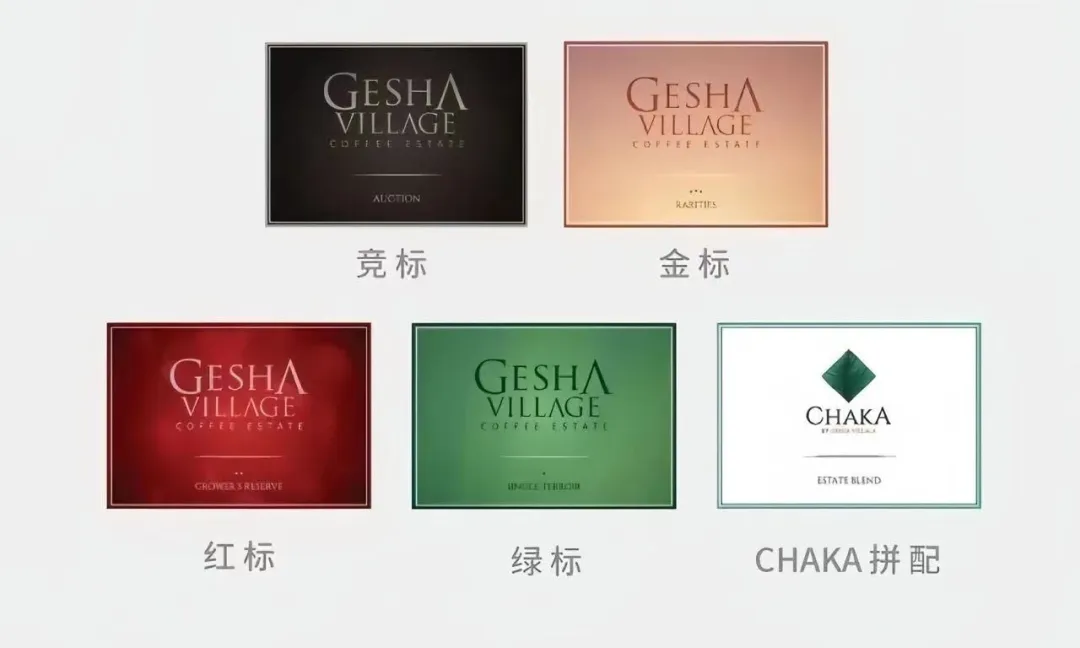
In addition to the Gold and Red Labels, Gesha Village also offers other grades such as Auction, Green Label, and Chaka, each with its own unique positioning and quality requirements. This grading system shares similarities with the renowned Finca El Injerto, but Gesha Village’s grading places greater emphasis on regional characteristics and terroir. Understanding the logic behind these grades can help you more accurately select the coffee experience that matches your expectations.
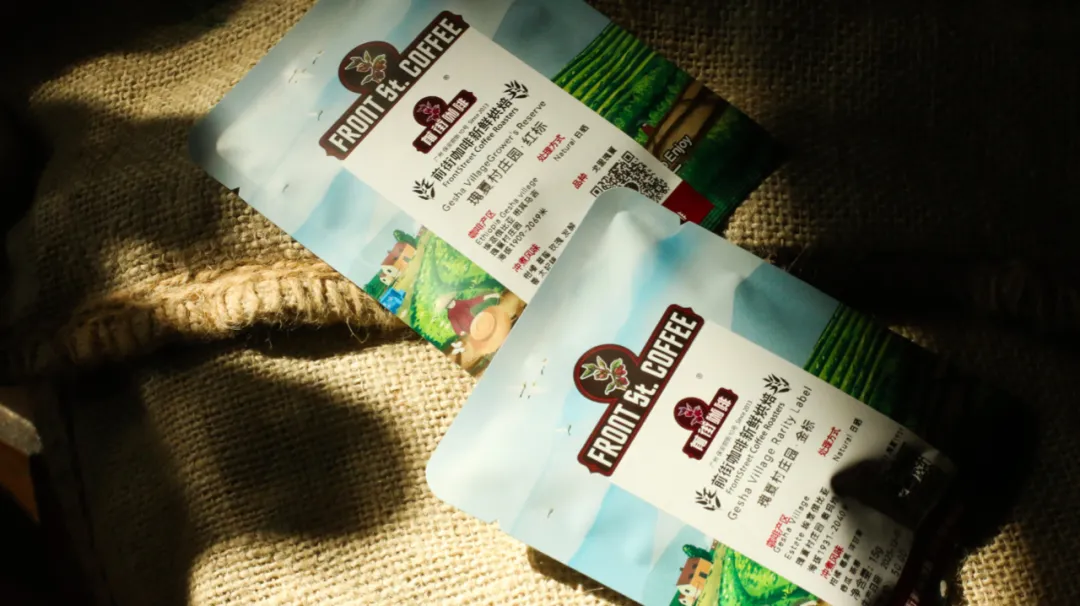
It is worth noting that the names of Gesha Village’s various grades—such as Gold Label, Red Label, and Green Label—are actually derived from the color of the packaging and the main featured varieties, rather than their original official designations. For example, the Gold Label gets its name from its gold-colored packaging base and its focus on the Gesha variety; the Red Label is another mainstream grade apart from the green-themed one, favored for its stable quality and relatively more accessible price. However, these names do not guarantee that the coffee batch is purely the Panamanian Gesha variety—a point consumers should pay special attention to when purchasing.
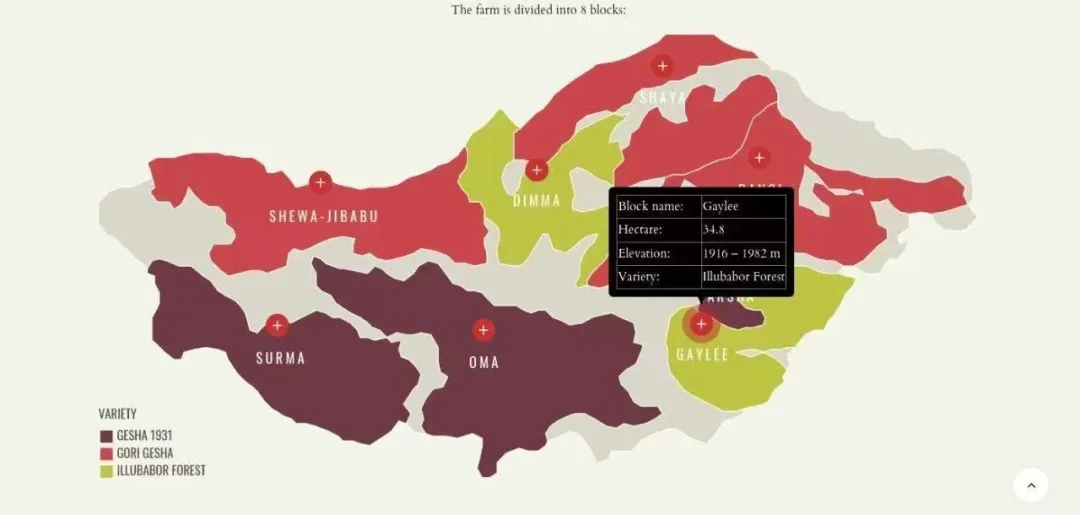
Gesha Village Estate is located in the village of Gesha within Ethiopia’s Bench Maji Zone, covering a total area of 471 hectares, of which about 320 hectares are used for coffee cultivation, with approximately 7,000 coffee trees planted per hectare. Managed by Adam Overton, the estate is divided into eight micro-regions, each producing distinct coffee flavors due to differences in altitude, microclimate, and soil conditions.
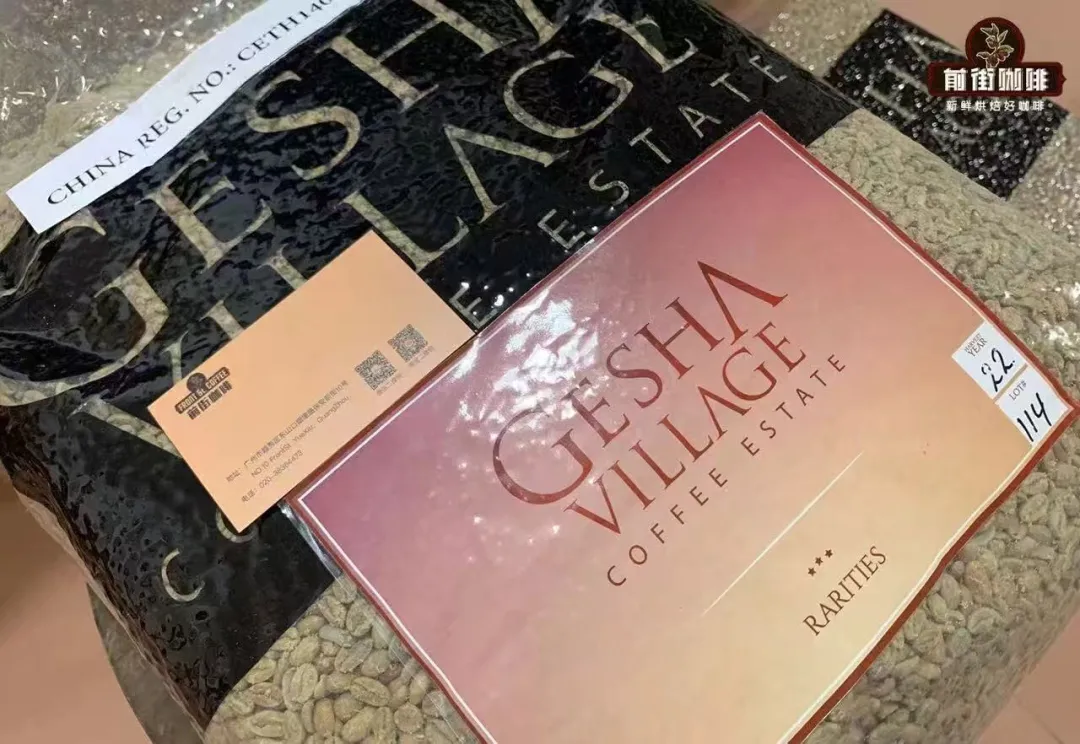
The Gold Label Gesha, officially named ‘Rarities,’ meaning ‘rare treasures,’ is not only the highest-grade product from Gesha Village aside from auction lots, but also accounts for only about 10% of the total annual production, making it extremely rare. This coffee comes with complete traceability information for both region and variety. With its layered complexity and delicate flavors, it is highly favored by competition participants and often used in cupping competitions.
The variety used in the Gold Label is not the commonly known Panamanian Gesha (T2722), but rather ‘Gesha 1931,’ which was carefully selected and cultivated by the estate owners in the forest where Gesha was first discovered. This variety shares similar appearance and flavor traits with the Panamanian Gesha, and the ‘1931’ in its name refers to the year when the Gesha plant was first collected by an expedition team from the forest and brought back—symbolizing its historical roots and regional authenticity.
As for the Red Label Gesha, its official name is ‘Growers Reserve,’ which translates to ‘Growers’ Protection Reserve’ in Chinese. The Red Label has a slightly higher output than the Gold Label, accounting for about 15% of annual production. This grade also features full traceability, but requires a cupping score of 88 or above, with no restriction on variety—any that meets the flavor and quality standards can be included in the Red Label.
The flavor profile of the Red Label is more aligned with local Ethiopian characteristics rather than the pronounced floral and fruity notes typical of Panamanian Gesha. The Red Label batch analyzed here uses the ‘Gori Gesha’ variety. Although its name includes ‘Gesha,’ its appearance and flavor presentation differ quite a bit from our usual impression of Gesha, which is also a common source of confusion among consumers.
It is worth mentioning that the most commonly available Gold and Red Labels from Gesha Village on the market today are primarily processed using the natural (sun-dried) method. This processing style effectively highlights the fruitiness and sweetness of the coffee, creating a more distinct contrast in flavor expression between the two. Below, we’ll use the same pour over parameters to let you experience the differences in aroma, flavor, and aftertaste firsthand.
The actual pour over parameters used are as follows: 15g coffee dose, 1:15 coffee-to-water ratio, grind setting at 10 on the Ek43 grinder (approximately 75%–80% passing through a #20 sieve, close to the coarseness of fine sugar), water temperature controlled at 92°C, with a total brew time of about 2 minutes and 10 seconds. These parameters are suitable for coffee lovers seeking a balance of bright acidity and sweet aroma, and can be fine-tuned according to personal taste preferences.
In terms of dry aroma, the Red Label exhibits bright and lively citrus fruit notes, with a refreshing and pleasant character that is very appealing; in comparison, the Gold Label’s dry aroma adds a touch of soft floral scent, reminiscent of the subtle elegance of honeysuckle, along with a sweet aroma akin to apricots, resulting in a richer and smoother overall fragrance with more layers.
In flavor, the Red Label presents a classic Ethiopian flavor profile right from the first sip, featuring tropical fruit aromas such as citrus, strawberry, mango, and pineapple. The acidity is bright, the mouthfeel is clean and smooth, and the finish carries a subtle green citrus tea note, delivering an overall light and vibrant performance. The Gold Label, on the other hand, showcases a distinctly different flavor spectrum, centered around dark berries and stone fruits such as blueberries, honeydew melon, and sweet cherries, accompanied by soft white floral notes. The acidity is gentle and refined, with a finish that hints at an oolong tea-like aftertaste, making the overall cup feel more elegant and well-layered.
In summary, although both the Gold and Red Labels from Gesha Village come from the same estate, they differ markedly in variety origin, flavor characteristics, and market positioning. The Gold Label’s ‘Gesha 1931’ is closer to the familiar Gesha flavor profile, making it ideal for coffee lovers who enjoy floral-fruity notes and delicate layers; whereas the Red Label’s ‘Gori Gesha’ highlights strong Ethiopian local characteristics, suiting those who prefer distinct fruitiness and bright acidity. By gaining a deeper understanding of the background and actual flavor performance of these two coffees, you’re sure to find the Gesha that’s perfect for you.
The above content is compiled by CoffeeHunters, a coffee news website.


