








Introduction:Choosing the right pour over filter cone is one of the key factors that influence the flavor and extraction efficiency of your coffee. This article delves into the three core elements of filter cones: coffee bed structure, flow rate control, and material characteristics, helping you understand how different filter cones affect the complexity, richness, and evenness of coffee extraction. Whether you're a beginner or an advanced brewer, you’ll find useful tips for selecting the ideal filter cone to suit your taste.
Among the many pour over tools available, the choice of filter cone is often the first step that affects the final flavor. There is a wide variety of filter cones on the market, each with unique functions and designs, which can be confusing for many coffee enthusiasts. In fact, the differences between filter cones can generally be categorized into three key aspects: coffee bed structure, flow rate, and material properties. Understanding these elements can help you choose the most suitable filter cone based on your personal preferences.

Let’s start by discussing the coffee bed structure. This is a crucial factor influencing the evenness of coffee extraction and the complexity of its flavors. The mainstream shapes of filter cones can be roughly divided into three types: conical, flat-bottomed, and fan-shaped. Each design affects how coffee grounds are distributed in the cone, which in turn alters the final extraction outcome and mouthfeel.

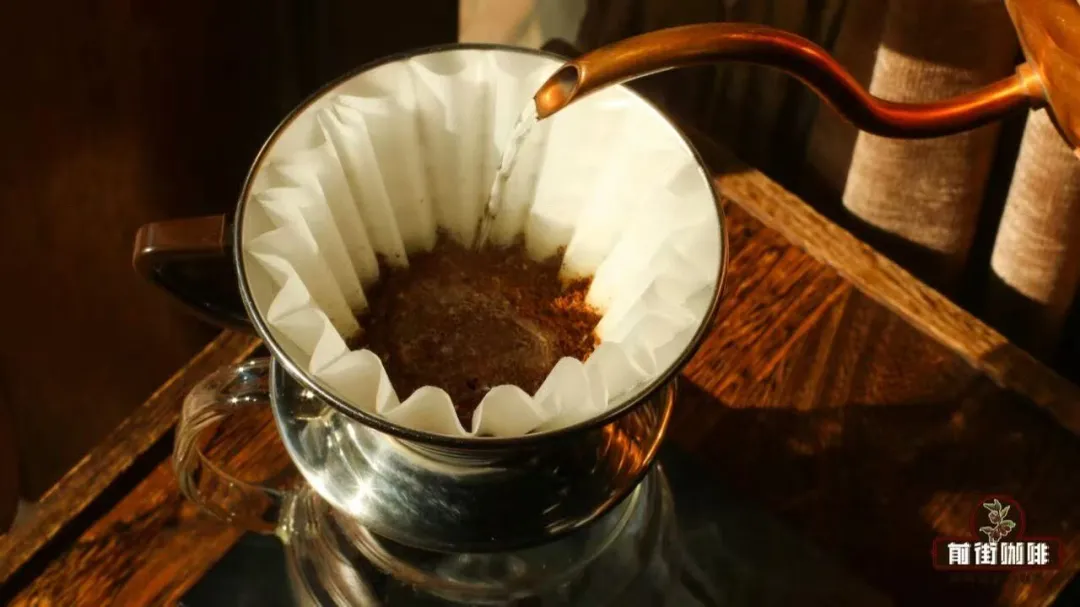
Conical filter cones are the most common type, shaped like a funnel that gradually narrows from top to bottom. This design results in an inverted conical coffee bed, with the bed becoming thinner toward the bottom. Due to the uneven thickness of the coffee bed, hot water tends to extract more efficiently at the upper layers than at the bottom, often resulting in a brew with rich flavor complexity but slightly less evenness. This characteristic makes conical filter cones particularly good at highlighting the diverse and intricate flavors of coffee.
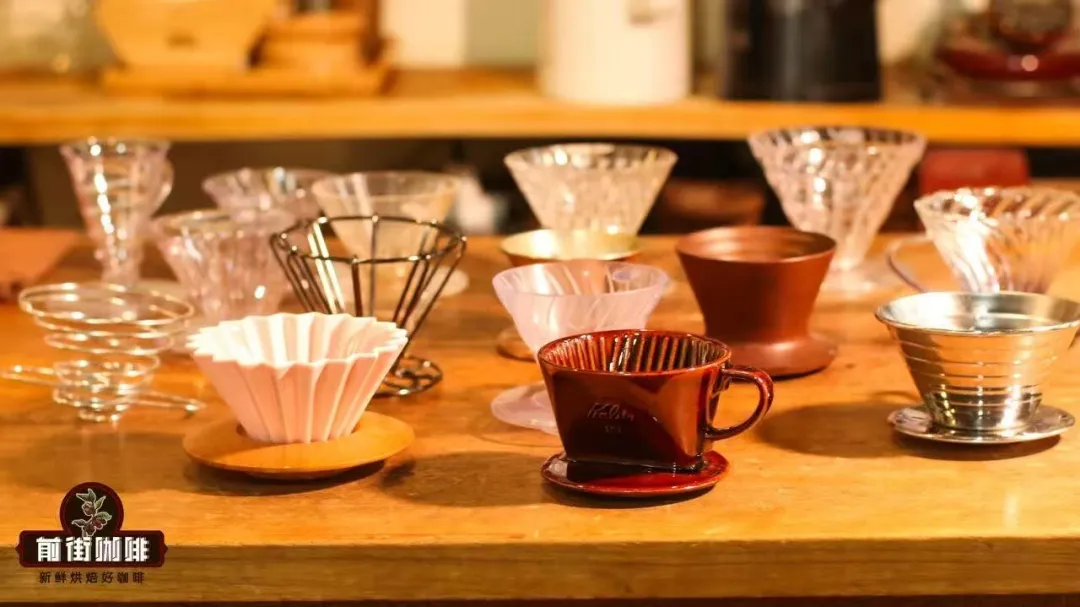
In contrast, flat-bottomed filter cones, also known as cake filter cones, have a flat and relatively large base. They form an inverted truncated cone-shaped coffee bed, which is the thinnest among the three types. This design allows hot water to quickly reach the bottom layer of coffee grounds, leading to a more even overall extraction—ideal for those who prefer balanced flavors. Additionally, flat-bottomed cones are more beginner-friendly; even without meticulous control over water flow, it's easier to produce coffee with a well-balanced flavor.
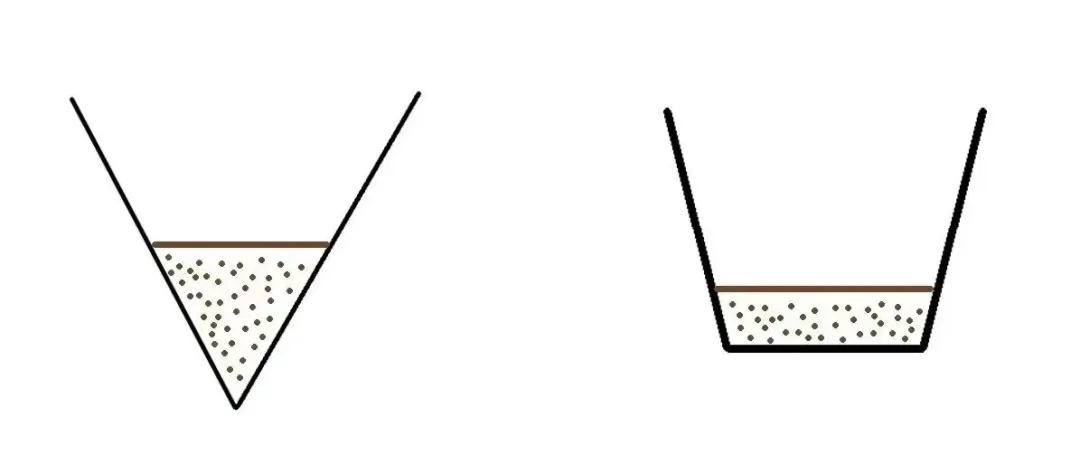
Fan-shaped filter cones combine certain traits of both conical and flat-bottomed types. Their structure is an inverted trapezoid that is wider at the top and narrower at the bottom, with a linear drainage area at the base rather than a single point. This results in a coffee bed thickness that falls between that of conical and flat-bottomed cones. Fan-shaped cones offer a moderate level of flavor complexity while maintaining relatively even extraction. For users seeking a balance between complexity and uniformity, the fan-shaped filter cone is a solid choice.
It’s important to note that the above characteristics are based on comparisons made under identical brewing parameters and techniques. By adjusting variables such as grind size, water temperature, and pouring method, you can achieve different extraction outcomes even using the same type of filter cone. For example, you can still brew a well-balanced cup with a conical filter cone, or achieve notable flavor complexity with a flat-bottomed cone under specific conditions.
Next, let’s explore the flow rate control of filter cones. The speed of flow is primarily determined by the internal rib design and the size of the drainage outlets. Ribs are protrusions on the inner wall of the filter cone, mainly serving to support the filter paper and prevent it from fully adhering to the cone walls—thus creating air gaps that influence the speed at which coffee liquor drains.
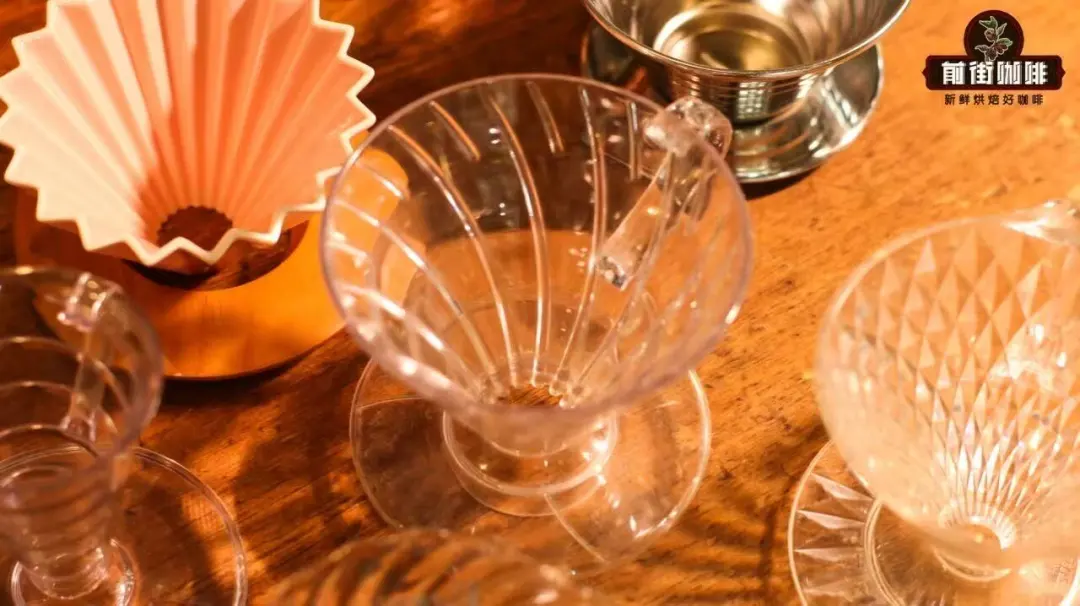
Generally speaking, the more ribs there are, the wider their distribution, or the taller they are, the larger the air venting space created. This facilitates faster penetration of hot water through the filter paper and coffee grounds, thereby accelerating the overall flow rate. Conversely, fewer or more concentrated ribs may slow down the drainage. Additionally, the size and number of drainage outlets are also key factors influencing flow rate. Larger and more numerous outlets allow coffee liquor to exit more quickly.
The speed of flow directly affects the brewing time and flavor profile of the coffee. A faster flow rate usually shortens the extraction time, preserving more acidity and volatile aromas, making it suitable for medium to light roasted beans and resulting in a bright and refreshing cup. On the other hand, a slower flow rate extends the contact time between water and coffee grounds, helping extract more body and complex flavors, yielding a richer and more balanced cup—especially fitting for medium to dark roasted beans.
Finally, let’s look at the choice of filter cone material. Common materials include resin, glass, ceramic, and metal. These materials differ in thermal conductivity and specific heat capacity, which in turn affect the ability to maintain temperature during the brewing process. Generally, the better the insulation properties of the material, the more stable the brewing water temperature, contributing to improved extraction efficiency.
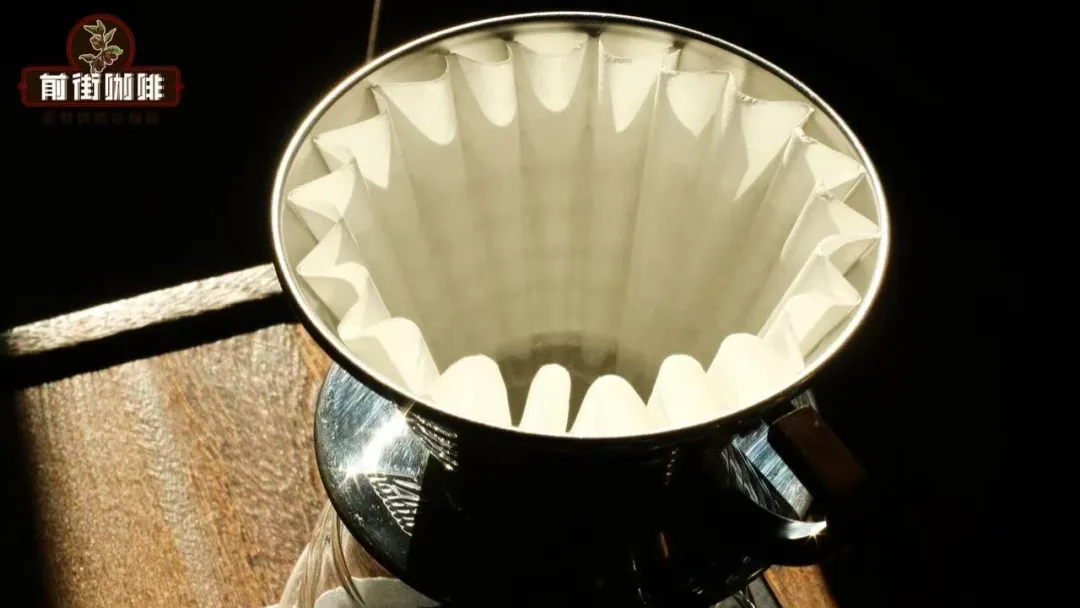
However, compared to coffee bed structure and flow rate, the impact of material on flavor is relatively smaller, though it’s still worth considering based on your needs and budget. For example, resin filter cones are affordable and durable, making them suitable for everyday use; glass cones allow you to visually observe the brewing process, though they are more prone to breakage; ceramic cones offer good heat retention but are heavier; metal cones are sturdy and long-lasting, but may slightly affect the delicate nuances of the coffee’s flavor.
In summary, when choosing a pour over filter cone, you should consider your preferred coffee flavor profile, your familiarity with brewing techniques, and your budget. If you enjoy bright acidity and complex flavors, prioritize conical filter cones that facilitate faster flow and thicker coffee beds. If you prefer a richer, more balanced cup, opt for slower-flowing flat-bottomed or fan-shaped cones. As for materials, feel free to choose based on your usage scenario and personal preference—there’s no need to overcomplicate it.

The above content is compiled by CoffeeHunters, a coffee news website.


