







Introduction:Want to easily make rich-flavored milk coffee at home but don’t have professional espresso equipment? This article reveals a reverse immersion brewing technique that adjusts the pour over process to achieve a high-concentration coffee base. With detailed bean selection suggestions and practical parameters, it guides you through the key points of extraction and milk coffee preparation. Even beginners can effortlessly recreate a bold and smooth taste.
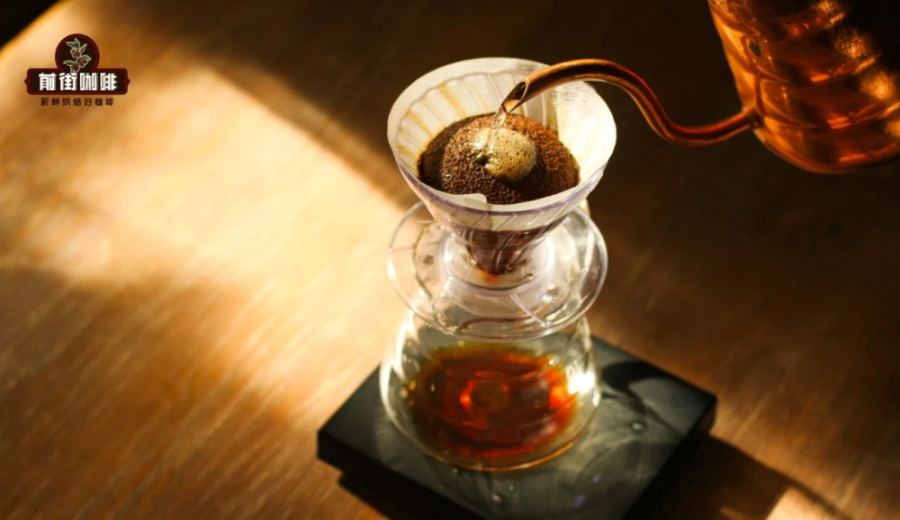
Recently, a unique brewing method has gained popularity among coffee enthusiasts—first fully soaking coffee grounds with hot water to complete extraction, then separating the grounds using a paper filter dripper to obtain a higher-concentration coffee liquid for making rich-flavored milk coffee. This seemingly "reverse brew" method actually falls under the category of immersion brewing, similar in principle to the clever dripper or French press. Although it can’t achieve the high-pressure extraction of an espresso machine or moka pot, it’s a practical alternative for home users to meet their milk coffee needs.
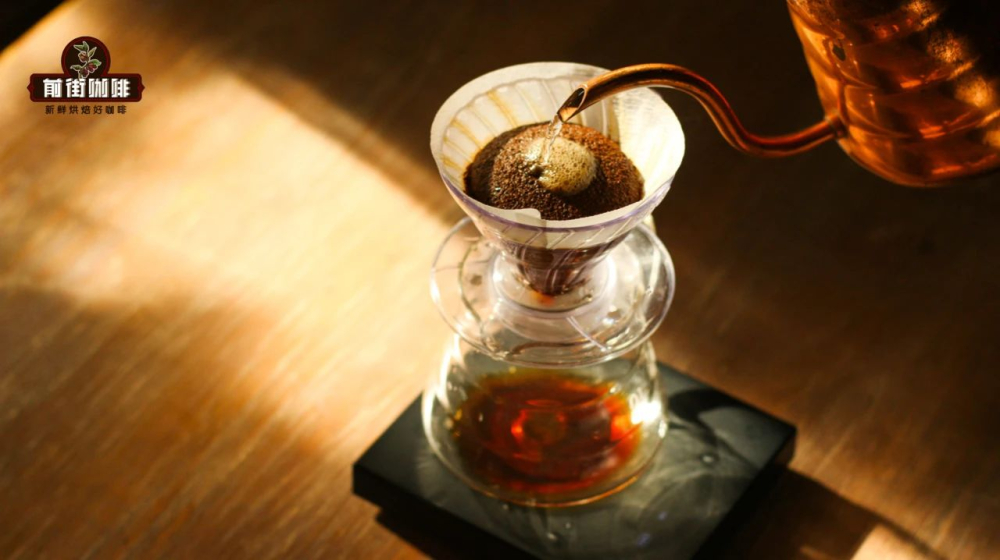
A customer once asked: “I heard it’s popular to brew coffee in reverse these days?” After learning more, it turns out this method involves mixing coffee grounds with water, soaking them, and then filtering to get a high-concentration coffee suitable for blending with milk. Strictly speaking, this isn’t traditional pour over but rather a technique that releases flavors through immersion and then filters out the coffee liquid. While it may not reach the concentration achieved by professional equipment, it effectively enhances the overall flavor intensity of the coffee liquid, offering a viable solution for making milk coffee at home.
Why does milk coffee require a higher-concentration coffee base? Many coffee lovers might think that regular black pour over coffee can simply be mixed with milk to make milk coffee, as is common with the French-style café au lait. However, conventional pour over coffee, due to its higher water content, often results in a thinner overall flavor and less rich texture when mixed with milk. Most coffee enthusiasts expect a milk coffee that is more flavorful, richer in body, and balanced in taste—something that requires increasing the concentration of the coffee liquid itself to achieve.
The method to achieve high-concentration coffee is actually not complicated: mix an appropriate amount of coffee grounds with hot water in a container, release flavor compounds through thorough stirring and soaking, and then filter out the grounds using a paper filter dripper to get a higher-concentration coffee liquid. It’s important to note that while the concentration achieved this way is higher than that of regular pour over, it still can’t compare to the high-concentration coffee extracted under pressure by espresso machines or moka pots. Additionally, without pressure assistance, using only a small amount of hot water makes it difficult to fully extract all the flavors from the coffee, so while the milk coffee made this way has a decent flavor profile, it still differs from that produced by professional equipment.
When selecting coffee beans, if you want a richer milk coffee flavor, it’s recommended to prioritize medium-dark to dark roasted beans, or those with a higher degree of fermentation. These types of beans usually contain more abundant flavor compounds, which are easier to release during the immersion process, helping to create a full-bodied milk coffee. Suitable medium-dark to dark roasted beans include: Black Cocoa Base Blend, Classic Blend, Commercial Blend, and Specialty Blend; for single-origin beans, PWN Golden Mandheling and Queen Estate are great choices. If you prefer beans with prominent fermented flavors, options like Strawberry Candy · Gesha Blend, Boundary Estate · Sidamo/Large Belly, and Elida Estate · Anaerobic Natural Catuai are worth trying. These beans are available both online and offline.
For this demonstration, we’re using the Strawberry Candy · Gesha Blend. The specific brewing parameters are as follows: use 20 grams of coffee grounds with 80 milliliters of hot water above 95°C, at a coffee-to-water ratio of 1:4. The grind size is recommended to be adjusted to the finest setting on your grinder, close to a flour-like particle size (Note: if the grind particles are not as fine as flour, it’s suggested to appropriately extend the stirring and soaking time). The operation is divided into two stages: first, pour the ground coffee and hot water into the container together, start the timer, and stir for about 30 seconds, then let it sit and soak for 3 minutes; next, stir again for about 30 seconds, and continue soaking for another 3 minutes. This segmented stirring and soaking method allows for a more even extraction of coffee flavors.

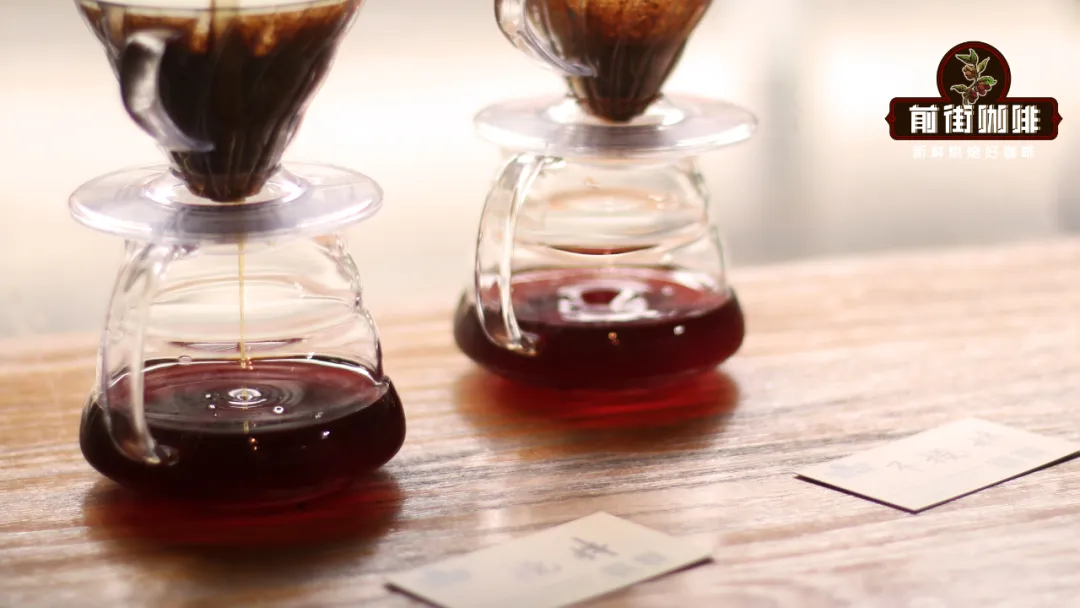
After soaking, use a paper filter dripper to filter out the coffee grounds, and you’ll get a cup of high-concentration coffee base. Although the coffee made this way isn’t as concentrated as espresso, when preparing milk coffee, it’s recommended to adjust the coffee-to-milk ratio to around 1:3.5 for a more balanced taste. For example, if the final coffee liquid is 36 milliliters, you can add about 126 milliliters of milk. This combination results in a milk coffee that maintains the bold flavor of the coffee while perfectly blending with the milk.
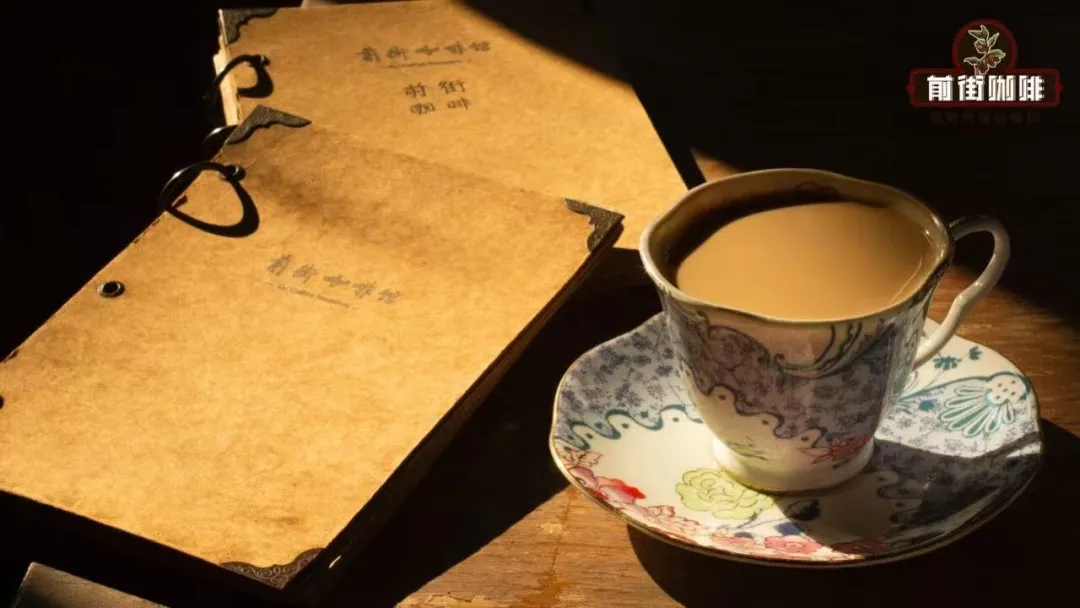
The final milk coffee has a smooth texture and balanced flavor, with distinct characteristics of the Strawberry Candy blend, such as the sweet aroma of strawberry soft candy, the freshness of white floral notes, and a subtle berry undertone. This reverse immersion brewing method may not be as complex as professional equipment, but with proper parameter control and step-by-step operation, it can still produce satisfying milk coffee at home, offering coffee enthusiasts a more diverse brewing experience.
The above content is compiled by CoffeeHunters, a coffee news website.


