







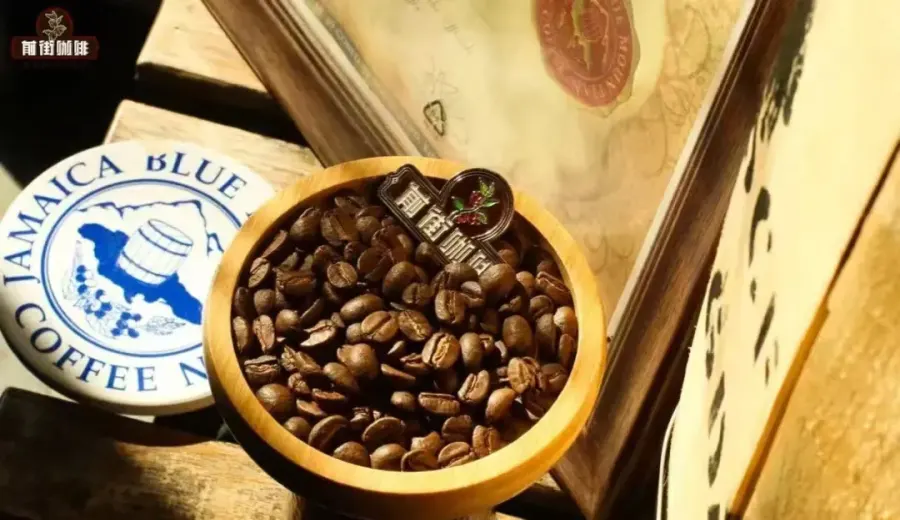
Introduction:Jamaican Blue Mountain No. 1 is hailed as the pinnacle of specialty coffee, yet many beginners remain puzzled by its grading system and true flavor profile. This article delves into the strict regional limitations, official classification standards of Blue Mountain coffee, with a special focus on the stringent criteria for "No. 1" grade, and explains how to truly experience the delicate balance and unique layers of this legendary coffee through flavor and brewing parameters.
Blue Mountain coffee has long been revered as the "aristocrat of coffees," and within it, "Blue Mountain No. 1" is regarded as the ultimate symbol of excellence among seasoned coffee enthusiasts. However, for consumers new to specialty coffee, the term "No. 1" may be shrouded in mystery, even mistaken for some trick to distinguish authenticity. In fact, "No. 1" refers to the highest official grade in the Jamaican Blue Mountain coffee classification — representing the pinnacle of quality and origin.
To be classified as "Blue Mountain No. 1," coffee beans must meet multiple strict criteria: they must be grown in specific areas of the Blue Mountains of Jamaica at elevations between 900 and 1700 meters (approximately 3000 to 5500 feet), the variety must be Typica, the green bean size must reach 17/18 screen size, the defect rate must not exceed 3%, and the proportion of small beans must not surpass 5%. Only by meeting all these standards can the beans be rated as No. 1, what the public refers to as "Blue Mountain No. 1."
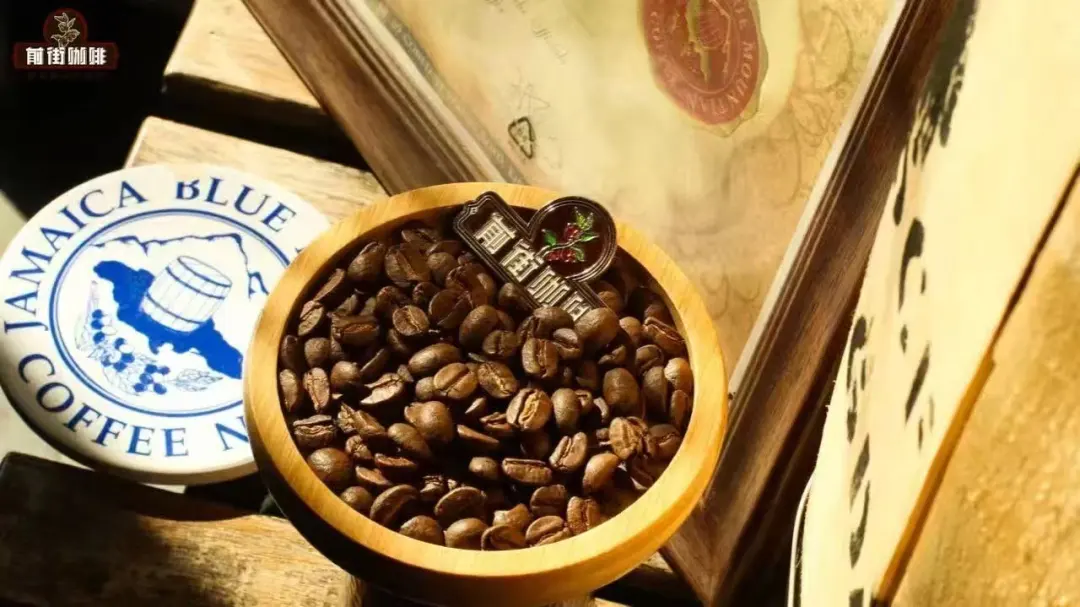
Many beginners, upon first hearing "Blue Mountain No. 1," often feel confused or even suspect it to be some kind of market myth or authentication jargon. In reality, "No. 1" is not a code word but the top grade in the official classification system. After the long-term agreement between Jamaica and Japan ended in 2008, Blue Mountain coffee is no longer exclusively imported by Japan, and today, as long as you go through a reputable supplier, consumers have the opportunity to taste authentic Blue Mountain No. 1 without worrying about dubious origins.
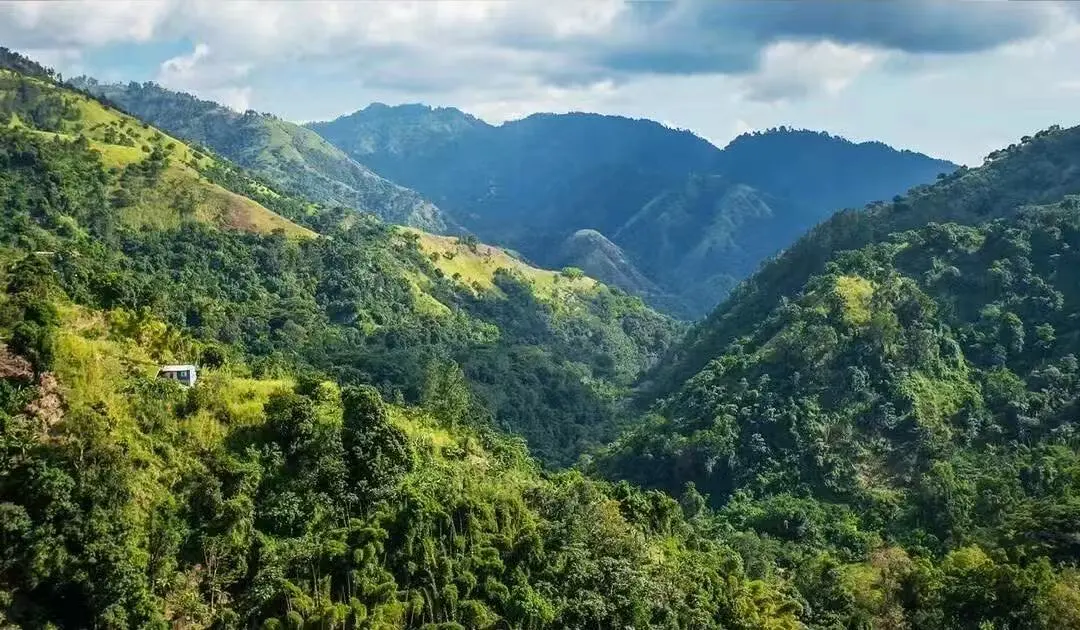
The rarity of Jamaican Blue Mountain coffee lies not only in its limited production but also in the extremely strict regulations on origin and variety. The general public might assume that any coffee produced in the Blue Mountain region is called Blue Mountain coffee, but in truth, only Typica variety coffee planted in the four administrative regions of St. Andrew, St. Thomas, Portland, and St. Mary, at elevations between 915 and 1700 meters, qualifies to bear the orthodox title of "Jamaican Blue Mountain Coffee."

Coffee that does not meet the above geographic and varietal criteria, even if grown near the foothills of the Blue Mountains, can only be classified as "Jamaican High Mountain Coffee" or "Jamaican Select Coffee." Moreover, even coffee that meets the regional requirements must pass a rigorous grading system based on bean size, appearance uniformity, and defect ratio, and is divided into four grades: No. 1, No. 2, No. 3, and PB (peaberry).
Among them, No. 1 is the highest grade, requiring green bean size to reach 17/18 screen, a defect rate below 3%, and small beans no more than 5%. These criteria ensure that Blue Mountain No. 1 has the most consistent and superior quality foundation. Therefore, many consumers pay special attention to whether it is "No. 1" when purchasing Blue Mountain coffee, precisely to ensure they are getting the top-tier grade.

It’s worth mentioning that although the grading of Blue Mountain coffee is primarily based on bean size and appearance, the actual flavor performance is not entirely dependent on the grade. No. 2 or No. 3 grade Blue Mountain coffee can sometimes exhibit extremely rich layers and delicate tastes. However, due to the greater overall consistency and market value of No. 1, most roasters still prioritize this grade to offer consumers the most classic Blue Mountain experience.
Take the Blue Mountain No. 1 from Clifton Estate as an example. This coffee is processed using the washed method, grown at an altitude of about 1300 meters, and is of the standard Blue Mountain Typica variety. Its roast level is typically medium-dark, aiming to present the most classic balanced flavor profile of Blue Mountain coffee. When tasting, it is recommended to use about 15 grams of coffee grounds, with a 1:15 coffee-to-water ratio, water temperature controlled at 90°C, and using a 20-mesh sieve to filter out 70% to 75% of the grounds. Employing a Kono filter and a three-stage pouring method, with a total brew time of about 2 minutes, can fully bring out its delicate flavors.
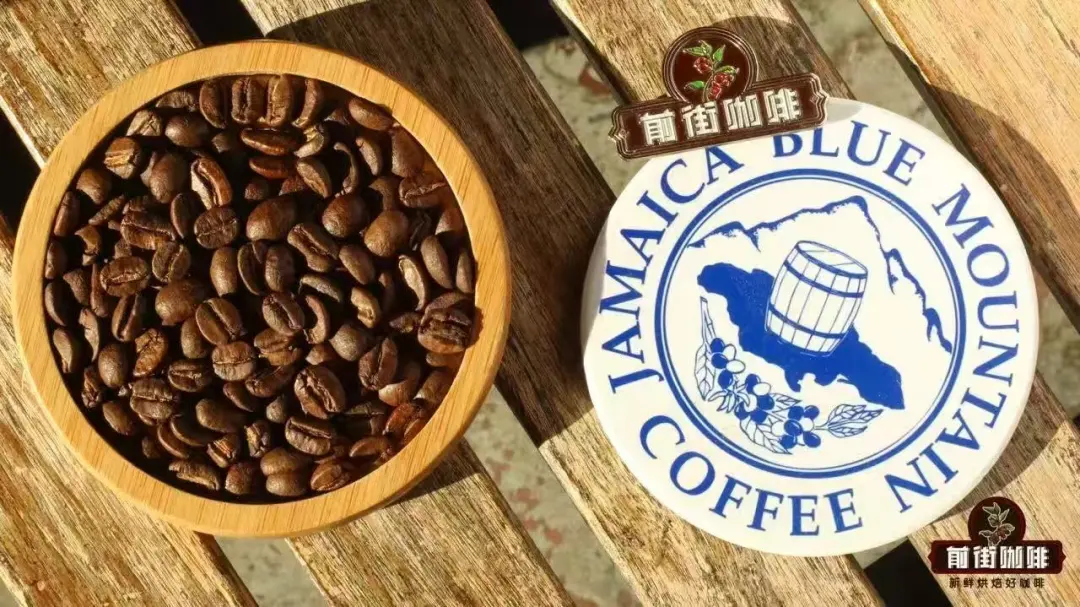
The flavor profile of this Blue Mountain No. 1 is clear and layered. The first impression is an excellent balance of acidity, sweetness, and bitterness. Despite being a medium-dark roast, there is no heavy bitterness or intense roasted aroma; instead, it presents an exceptionally smooth mouthfeel. Subsequently, aromas of dark chocolate, nuts, and cream gradually unfold, accompanied by a gentle maple-like sweetness, resulting in a rich yet delicate overall flavor. The aftertaste is long-lasting and carries the refined and elegant fragrance unique to Blue Mountain, leaving a memorable impression.
In summary, Jamaican Blue Mountain No. 1 is not only the pinnacle representative of origin, variety, and grading systems, but also a commitment to detail and quality in coffee. Understanding its strict standards and the correct brewing methods allows coffee enthusiasts to truly appreciate the unique charm of this timeless coffee, showcasing an irreplaceable top-tier elegance in both flavor and texture.
The above content is compiled by CoffeeHunters, a coffee news website.


