







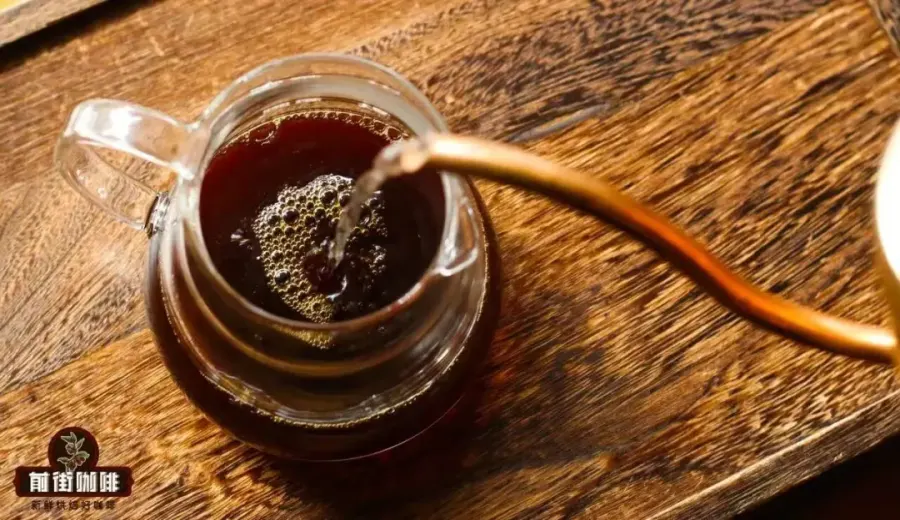
Introduction:Many coffee enthusiasts are curious about the Bypass technique of diluting pour over coffee with additional water. This method, which adjusts the strength of the brew without passing through the coffee grounds, can effectively improve the flavor profile of over-extracted or overly strong coffee. This article delves into the principles and practical applications of Bypass, helping you understand when and how to add water, as well as the sensory science behind it—so you can fine-tune your coffee to achieve a balanced and smooth drinking experience.
In the world of pour over coffee, there’s a commonly discussed technique called Bypass, also known as bypass water addition. This method involves pouring hot water directly into the already extracted coffee liquid, bypassing the coffee grounds bed, in order to adjust the final concentration of the beverage. Many people wonder at first: can simply adding water really make coffee taste better? The answer actually depends on the quality of the coffee itself. If the coffee has noticeable bitterness or astringency due to improper extraction, adding water won’t fix the problem. But if the coffee is well-extracted and just too concentrated, masking its flavors, then the right amount of Bypass water can help those hidden flavors re-emerge.
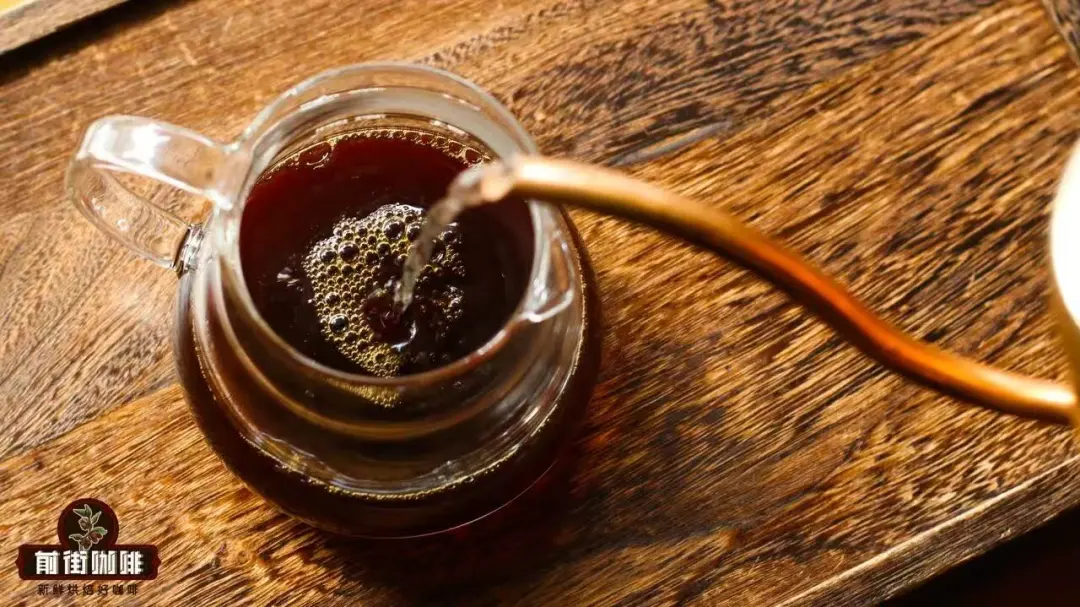
You might ask, can adding water to coffee really salvage a bad cup? The answer is usually no. If a coffee has inherent flaws from the start—such as bitterness or burnt notes caused by over-extraction—no amount of water will change its fundamental nature. However, when a coffee has a solid foundation but its flavors are hard to discern due to high concentration, a moderate amount of Bypass water can indeed unlock the coffee’s intended layers and nuances. This technique is professionally referred to as Bypass, meaning to go around the coffee grounds and directly adjust the brewed coffee liquid.
During the coffee extraction process, water acts as a solvent, penetrating the coffee grounds to extract the flavor compounds. We typically refer to the main path where water contacts the coffee grounds as the “main channel,” which is the primary route through which flavor substances are dissolved. In contrast, if water does not pass through the coffee grounds bed but is instead added directly to the already extracted coffee liquid, this portion of water takes a “bypass route”—a path outside the main channel—and is therefore called “bypass water.”

So why can Bypass water help restore the deliciousness of coffee? The key lies in concentration adjustment. When coffee is too concentrated, the flavor compounds are overly intense, making it difficult for our taste and smell systems to distinguish the details. Instead, we may perceive unpleasant sharpness, such as excessive bitterness or saltiness. By adding an appropriate amount of bypass water, the overall concentration can be effectively reduced, giving the originally crowded flavor molecules room to spread out, thereby revealing a richer array of layers and a more delicate mouthfeel. This is the scientific principle behind how Bypass water can improve coffee flavor.
There are also many similar examples in daily life, such as comparing pour over coffee with Americano. Many people new to espresso are often taken aback by its high concentration. Take the popular Ethiopian Huila SOE as an example: using 20 grams of coffee grounds, a 1:2 coffee-to-water ratio, and extracting for about 30 seconds to produce roughly 40 ml of espresso, the resulting concentration may be too intense for those unaccustomed to it—the acidity can be sharp and the flavors one-dimensional. However, when 160 ml of hot water is added to dilute it into an Americano, the initially intense acidity becomes smoother, sweetness emerges, and a variety of flavors such as berries, floral notes, and even melon can be tasted.
The same logic applies to pour over coffee. When a barista finds that the coffee is too concentrated during tasting and the nuanced flavors are hard to identify, they may consider adding a suitable amount of Bypass water to adjust. For instance, during the preparation of iced pour over, lower brewing temperatures and longer extraction times can sometimes lead to higher concentration, and in such cases, Bypass water becomes an effective way to enhance the drinking experience. Through precise concentration adjustments, coffee lovers can more clearly perceive the unique regional characteristics of the beans and the distinct flavors brought by the processing methods.

In summary, Bypass water addition is not a universal remedy—it cannot turn a poorly extracted coffee into a delicious one. However, when a coffee already has a good foundation but its flavors are masked due to excessive concentration, the right amount of bypass water can serve as the finishing touch, allowing the coffee’s layers and nuances to fully shine. In practice, it’s recommended to carefully evaluate the coffee’s flavor performance first, then decide whether and how to apply Bypass water, in order to achieve the best possible drinking experience.
The above content is compiled by CoffeeHunters, a coffee news website.


