







Introduction:Explore the highly acclaimed ultra-cold milk coffee, -86°C Dirty, and understand how it differs from traditional Dirty, its key preparation techniques, and how to recreate it at home. This article provides an in-depth analysis of cup freezing methods, milk selection, coffee bean pairing, and practical tips to help you master this distinctive coffee with its intense cold contrast.
In recent years, a creative coffee called "-86°C Dirty" has gone viral on social media, attracting countless coffee enthusiasts eager to try it. What preparation secrets lie behind this visually and taste-wise striking beverage? How does it differ from the Dirty we're familiar with? This article will break down its core preparation from multiple angles, including cup freezing techniques, the ratio of milk to coffee, and how to recreate a similar effect at home using common equipment.
What is -86°C Dirty?
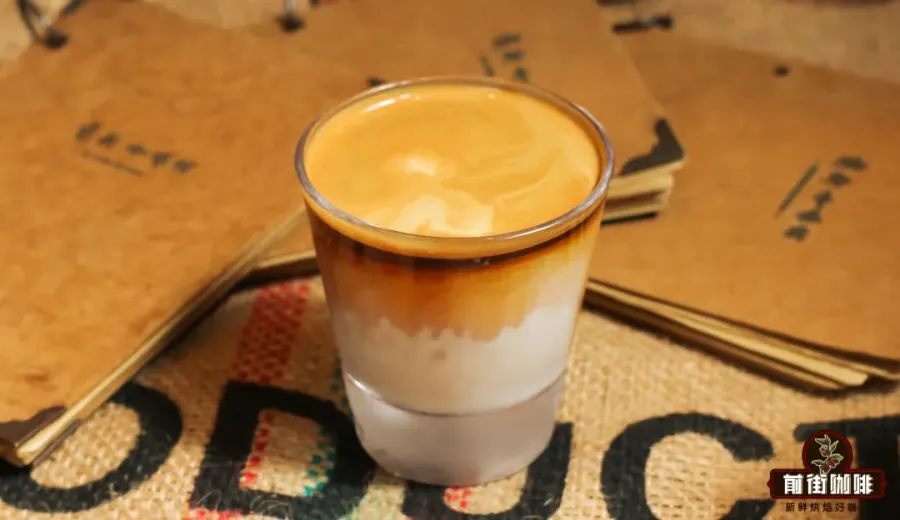
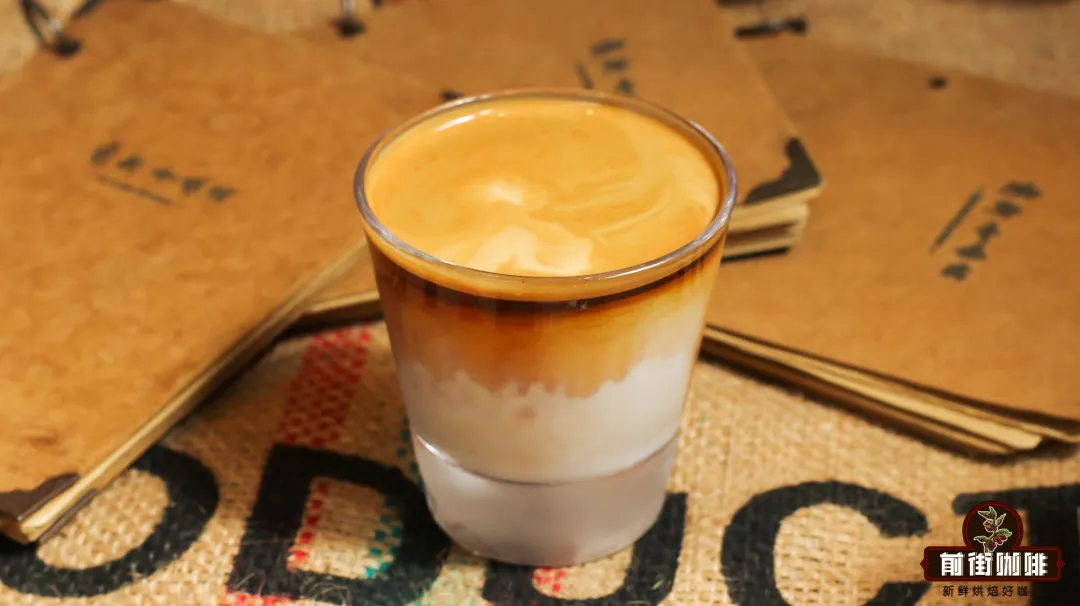
Before diving into -86°C Dirty, let’s first revisit the basic concept of Dirty coffee. Dirty is a type of espresso-based milk coffee, and its most distinctive feature is the instant layering of hot espresso and ice-cold milk, creating a strong visual and taste contrast. The traditional method involves pouring hot espresso directly over ice-cold milk, allowing the two to coexist briefly in the same cup without fully mixing, thus delivering a unique flavor experience of alternating hot and cold.
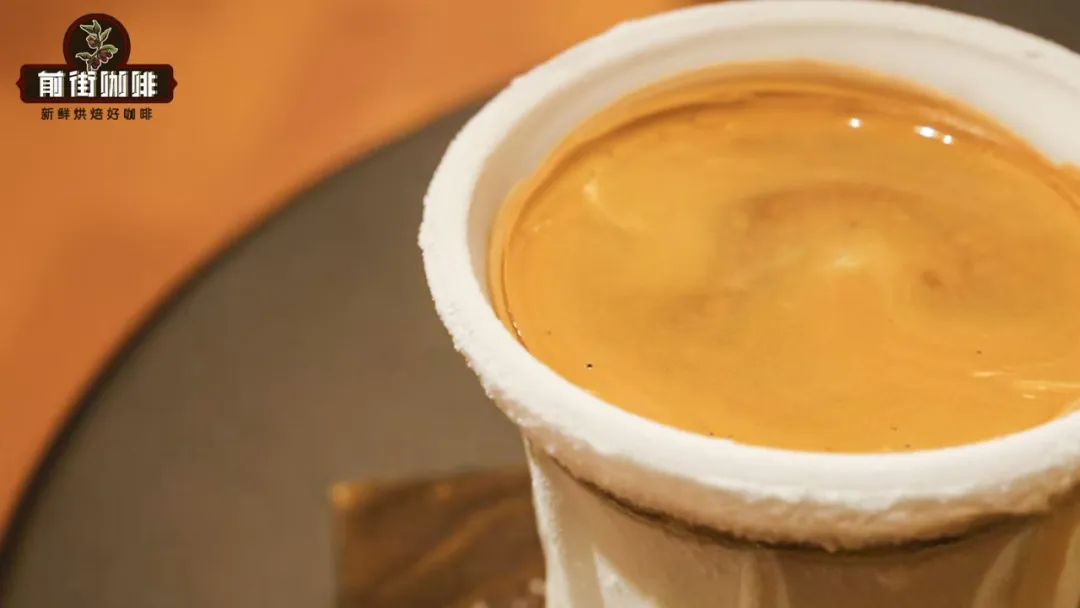
The so-called -86°C Dirty, however, doesn’t refer to the temperature of the coffee itself, nor does it mean the cup’s temperature reaches -86°C. Instead, it emphasizes using an ultra-low temperature pre-chilled cup to hold the drink. Such cups are typically stored in professional-grade low-temperature freezers, such as those that can reach environments as cold as -86°C, for freezing treatment to achieve better cooling effects. But in practice, due to environmental variables, the actual temperature of the cup may not consistently stay at -86°C, so a more accurate description would be: using an ultra-low temperature pre-chilled cup to make Dirty.
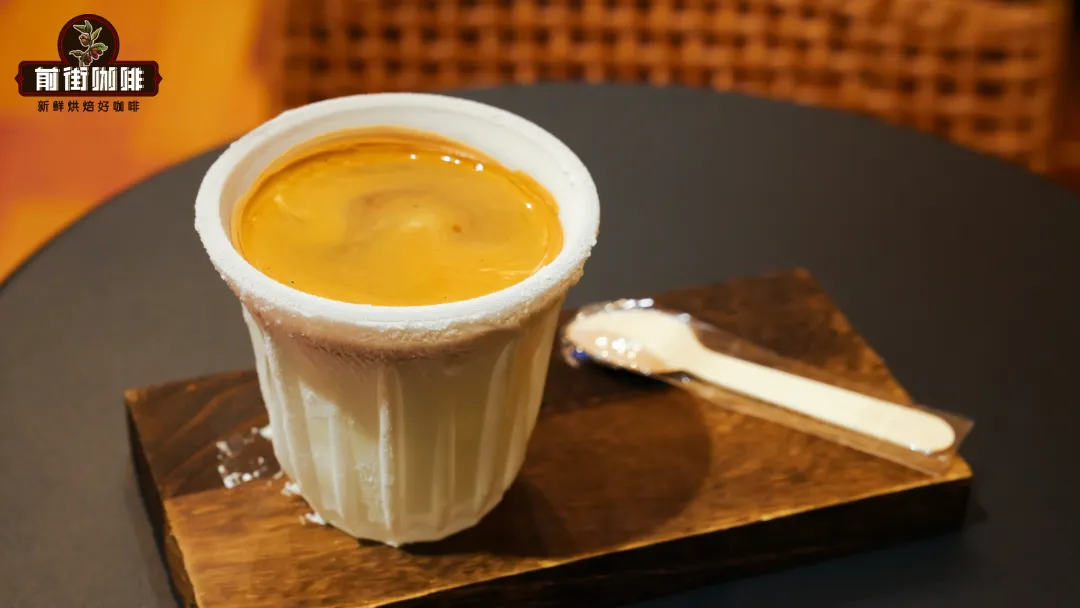
This extreme cooling method delivers two significant effects: first, it enhances the temperature contrast—since the cup itself is much colder, the milk in contact with it is further cooled, making the overall hot-cold contrast in the drink even more pronounced; second, it creates a special visual and taste experience—the rim of the cup may frost over due to the ultra-low temperature, and after drinking, you can even scrape off a thin layer of milk frost to enjoy, adding an element of fun.
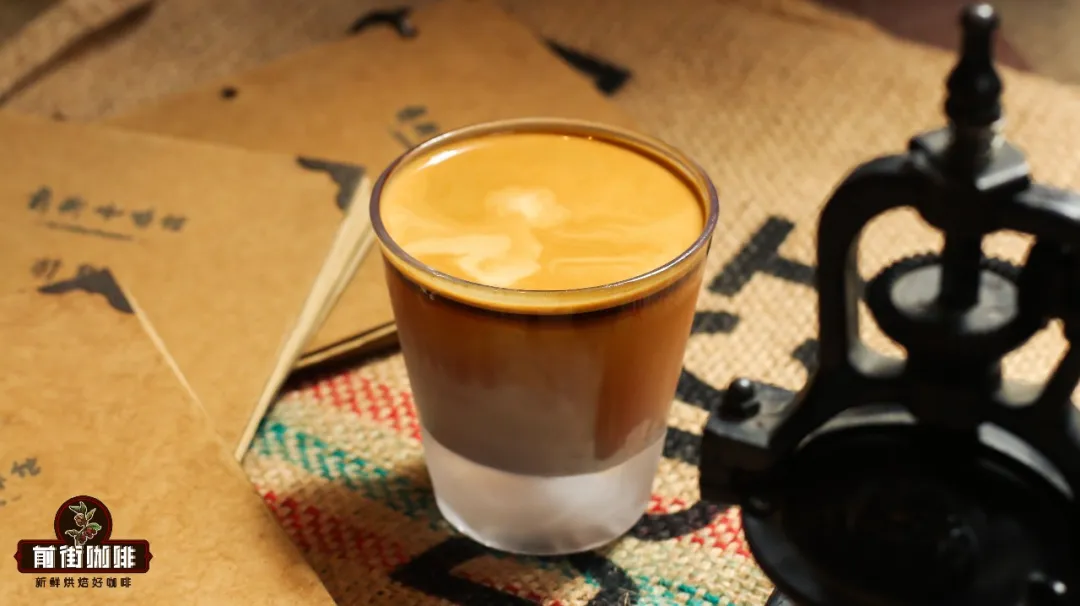
However, this preparation method also has its limitations. Due to the huge temperature difference between the cup and the coffee contents, the optimal drinking window is relatively short—it’s recommended to drink it immediately after preparation to fully experience its unique hot-cold contrast. Additionally, the ultra-low temperature environment may affect the taste buds' sensitivity to flavors, so it’s advised to choose milk and coffee beans with bold flavors to balance out the dulling effect of the low temperature on taste and aroma.
Home Recreation Tips and Cup Freezing Methods
For readers without access to a professional -86°C freezer, it’s still possible to achieve similar effects using common household freezing equipment. In practice, simply place a regular thick cup (preferably ceramic or double-layer glass to avoid the risk of cracking) in the coldest part of the freezer, set the temperature to the lowest setting, and leave it for at least eight hours to get a sufficiently cold cup.
According to practical tests, cups prepared this way, when filled with hot espresso, can also cause the milk in contact to rapidly cool and form a slight layer of milk frost, delivering a visual and tactile experience close to that of -86°C Dirty. It’s worth noting that when using this method, it’s recommended to choose milk with higher protein and fat content, which helps maintain a richer mouthfeel and reduces the thinness caused by the low temperature.

When it comes to coffee bean selection, if you want to enhance the flavor contrast between the milk and the espresso, you might consider medium-dark or dark roast beans, such as blends with notes of chocolate, caramel, or nuts. The intense roasted aroma unique to dark roast beans can create a sharp contrast with the sweetness of the milk, further amplifying the layers and playfulness of the drink.
Practical Advice and Common Questions
In actual practice, aside from cup freezing and material selection, there are several details worth paying attention to: first, it’s recommended to use freshly extracted hot espresso and control the pouring speed to avoid too rapid mixing, which can blur the layers; second, try to choose cups with uniformly thick rims, which help stabilize the cooling effect and increase the likelihood of milk frost formation.
Additionally, some readers may worry that ultra-low temperature cups could cause discomfort to the lips, but in reality, as long as the outside of the cup is dry and free of condensation, there won’t be any noticeable stickiness or frostbite sensation during use. If you’re concerned that the drink being too cold might affect your taste perception, you can moderately reduce the waiting time and enjoy it when the cooling effect is at its peak.
In summary, -86°C Dirty is more than just a coffee—it’s a multi-sensory experience that combines visuals, touch, and taste. Whether you’re a professional shop or a home enthusiast, with the right cup treatment, ingredient pairing, and attention to detail, you can create your own ultra-cold flavored coffee.
The above content is compiled by CoffeeHunters, a coffee news website.


