







Introduction:Want to brew a well-balanced, velvety-textured Italian latte? Experience alone isn’t enough. This article will take you deep into two key sets of formulas: the extraction ratio and time control for espresso, and the golden ratio of coffee to milk. From coffee-to-water ratio, extraction seconds, milk volume, to adjustments for dark and light roasts—we’ll guide you step-by-step through the critical parameters, and include a simple method for making iced lattes, so you can say goodbye to bland, uninspired lattes forever.
Lattes may seem ordinary, but behind every delicious cup lies precise parameter control. Many lattes tasted at home or in cafés are often either too weak or overly bitter, usually due to improper extraction or poor ratios. This article will focus on two core formulas: the brewing conditions of espresso, and the pairing ratio of coffee to milk, helping you adjust to achieve an ideal latte that’s rich yet not cloying, bold yet smooth.
To create a latte with balanced flavor and full body, the key lies in controlling two important metrics: the concentration and extraction yield of the espresso. As long as these two parameters fall within the right range, even after adding milk, the coffee’s layers and aromas can still shine through. Of course, these values also need fine-tuning based on personal taste preferences or the roast level of the beans to reach your own optimal balance point.
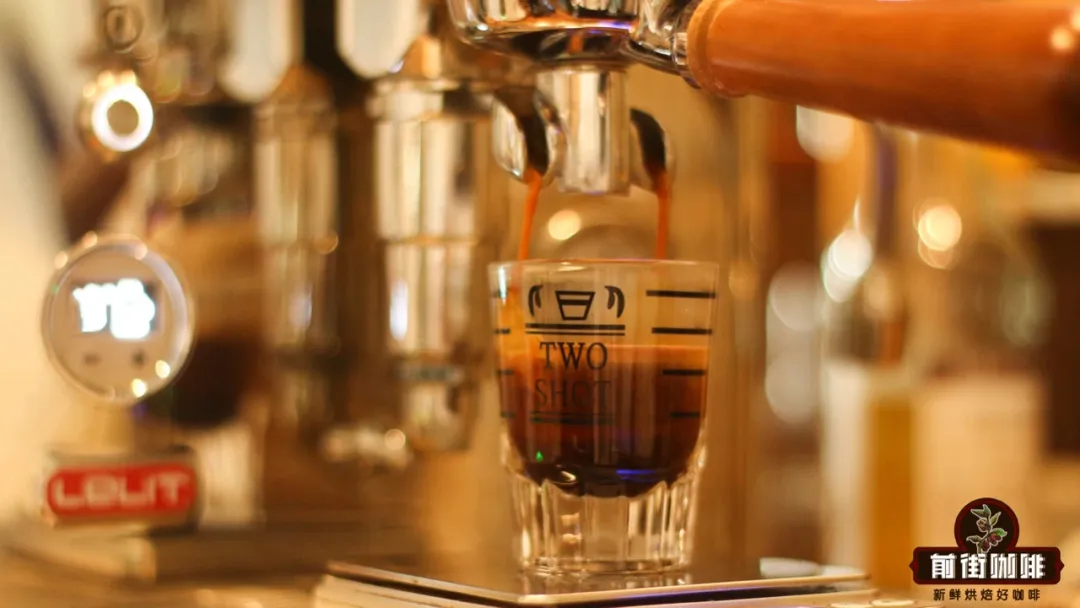
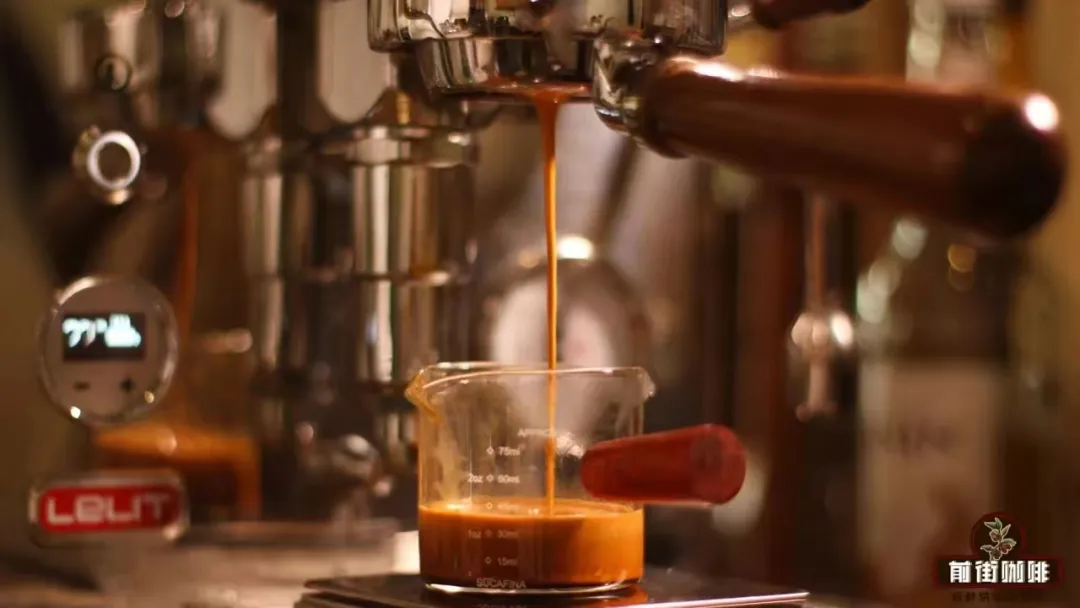
First is the espresso extraction formula. Most professional baristas use a 1:2 coffee-to-water ratio—that is, about 40 ml of coffee liquid extracted from 20 grams of coffee grounds—with the extraction time controlled around 30 seconds. This ratio ensures the espresso has sufficient strength, preventing it from tasting thin or flavorless when a large amount of milk is added later. At the same time, a moderate extraction time fully dissolves the flavor compounds in the coffee, avoiding overly sharp acidity or a thin mouthfeel.
The main factors affecting extraction time are grind size and dose. The finer the grind and the greater the dose, the slower the water flows through, naturally extending the extraction time; conversely, extraction becomes too fast, often leading to under-extraction. Taking a common medium-dark roast blend as an example, using 20 grams of coffee grounds with a medium-fine grind, extracting 40 ml of coffee liquid within 30 seconds usually achieves a concentration of about 12%. Such espresso boasts rich flavors and distinct layers, making it an ideal base for a latte.

Once you’ve mastered the espresso extraction formula, the next step is the coffee-to-milk ratio formula—which is also key to determining the final flavor profile of your latte. Generally, the golden ratio for a latte is one part espresso to five parts milk, meaning 40 ml of espresso paired with 200 ml of milk. This ratio balances the boldness of the coffee with the silky texture of the milk, allowing natural sweetness to emerge without being overshadowed by any single flavor.
If you’re using a light roast coffee bean, which tends to have a fresher, brighter fruit acidity, it’s recommended to adjust the ratio to 1:4, that is, 40 ml of espresso with 160 ml of milk, to avoid the milk overpowering the unique characteristics of the coffee. Additionally, when extracting espresso from light roast beans, it’s advisable to slightly increase the extraction yield to allow more of the bean’s compounds to be fully released, helping to balance the overall flavor and prevent issues like excessive acidity or a mismatch with the milk.
For those who enjoy making their own lattes at home, these parameters aren’t set in stone. You can fine-tune the coffee-to-water ratio, extraction time, or milk proportion according to your personal taste, to find the combination that suits you best. For example, if you prefer a stronger flavor, you can slightly increase the coffee dose or extend the extraction time; if you lean toward a lighter, crisper taste, you can reduce the milk volume to let the coffee flavor stand out more.
When you want to try making an iced latte, the steps are just as simple. Just follow the original hot latte recipe, reduce the milk by about 10–20 ml, and then add 80 to 100 grams of ice. The ice not only lowers the temperature but also slightly dilutes the strong flavor of the espresso, resulting in a more refreshing and smooth mouthfeel—perfect for summer enjoyment.

In summary, the secret to brewing a truly great latte doesn’t lie in complicated steps, but in mastering those two core formulas: the coffee-to-water ratio and extraction time for espresso, and the golden ratio of coffee to milk. By controlling these variables, whether you’re using a dark roast with rich chocolatey notes or a light roast with bright fruity acidity, you can adjust to craft your own perfect latte. Remember, the world of coffee is full of flexibility—experimentation and adjustment are the keys to refining your palate.



The above content is compiled by CoffeeHunters, a coffee news website.


