







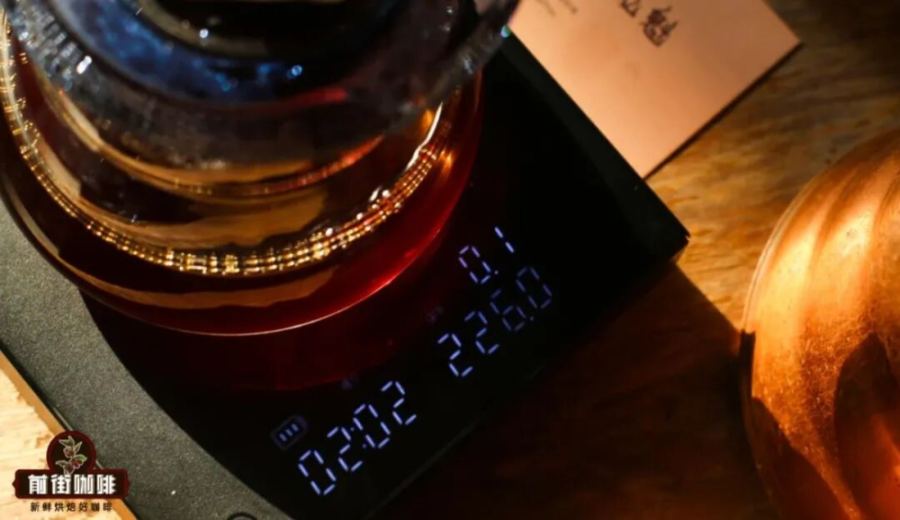
Introduction:Brew time is an important indicator reflecting the overall harmony of parameters in pour over coffee, rather than a directly controllable variable. Many tutorials suggest 2 minutes as the ideal brew duration, yet due to structural differences between dark and light roasted beans, water permeation speed varies significantly, which in turn affects actual operation time. This article delves into how to adjust pouring rhythm, segmentation strategy, and grind settings based on roast level, helping coffee enthusiasts master the tricks of controlling pour over time, and understand the extraction significance and flavor direction behind the time.
In the world of pour over coffee, although brew time isn’t a variable you can directly manipulate by hand, it is a key metric for evaluating whether your overall parameter settings are reasonable. Common tutorials often cite around 2 minutes as the ideal brew duration, but in reality, due to the vastly different physical characteristics of dark and light roasted beans, their reactions to hot water penetration also differ greatly, making the actual brew time anything but fixed.
Dark roasted beans, because of their high degree of roasting, have a looser bean structure with less resistance to expansion after absorbing water, allowing hot water to pass through more quickly, hence resulting in generally shorter brew times. In contrast, light roasted beans, with their tighter structure, more fine particles, and stronger water absorption, tend to slow down the drainage rate, thereby extending the overall brew time. Understanding these differences allows you to make corresponding adjustments based on the roast level of the beans and stabilize an ideal brew time.
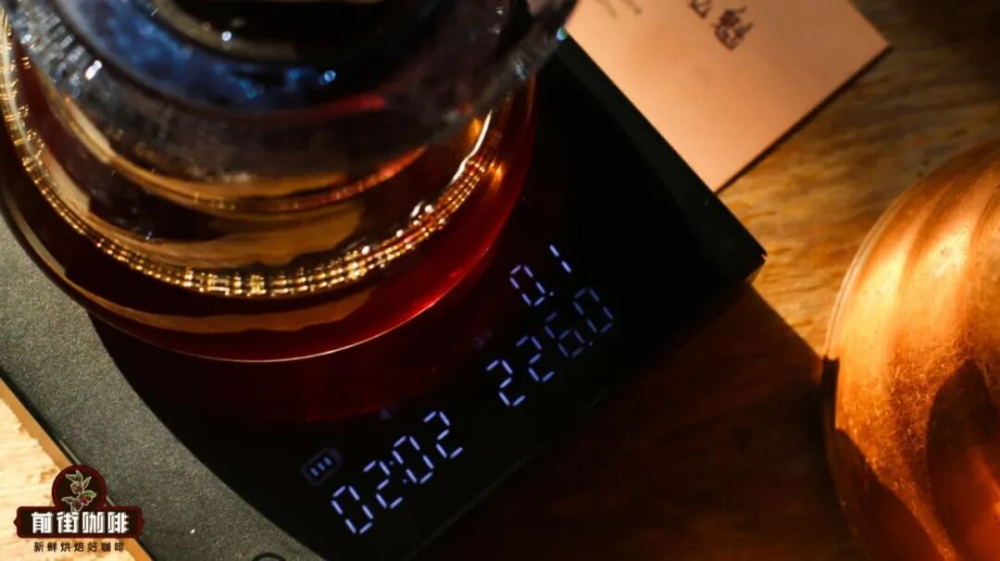
The so-called "2-minute standard" is not absolute, but rather a reference feedback signal. It helps you assess whether your current grind size, brew ratio, pouring method, and filter choice are well matched. When the brew time is too short, such as under 1 minute 50 seconds, it usually indicates insufficient contact between hot water and coffee grounds, potentially leading to incomplete extraction, with flavors that are overly acidic or thin. In such cases, you might want to check if the grind is too coarse, the pouring speed too fast, or the filter’s drainage too efficient.
Conversely, if the brew time exceeds 2 minutes 10 seconds, or even approaches 2 minutes 30 seconds or more, it may mean that the hot water has been in contact with the coffee grounds for too long, causing excessive impurities or late-stage compounds to be released, resulting in flavors that are heavy, astringent, or over-extracted. This situation is commonly seen when the grind is too fine, the pouring pressure too low, there are too many pouring segments, or the filter’s drainage is poor.
Therefore, viewing brew time as an observable and adjustable parameter—rather than a rigid standard—can help you more flexibly adapt other variables according to the actual situation, thereby achieving a more ideal extraction outcome.
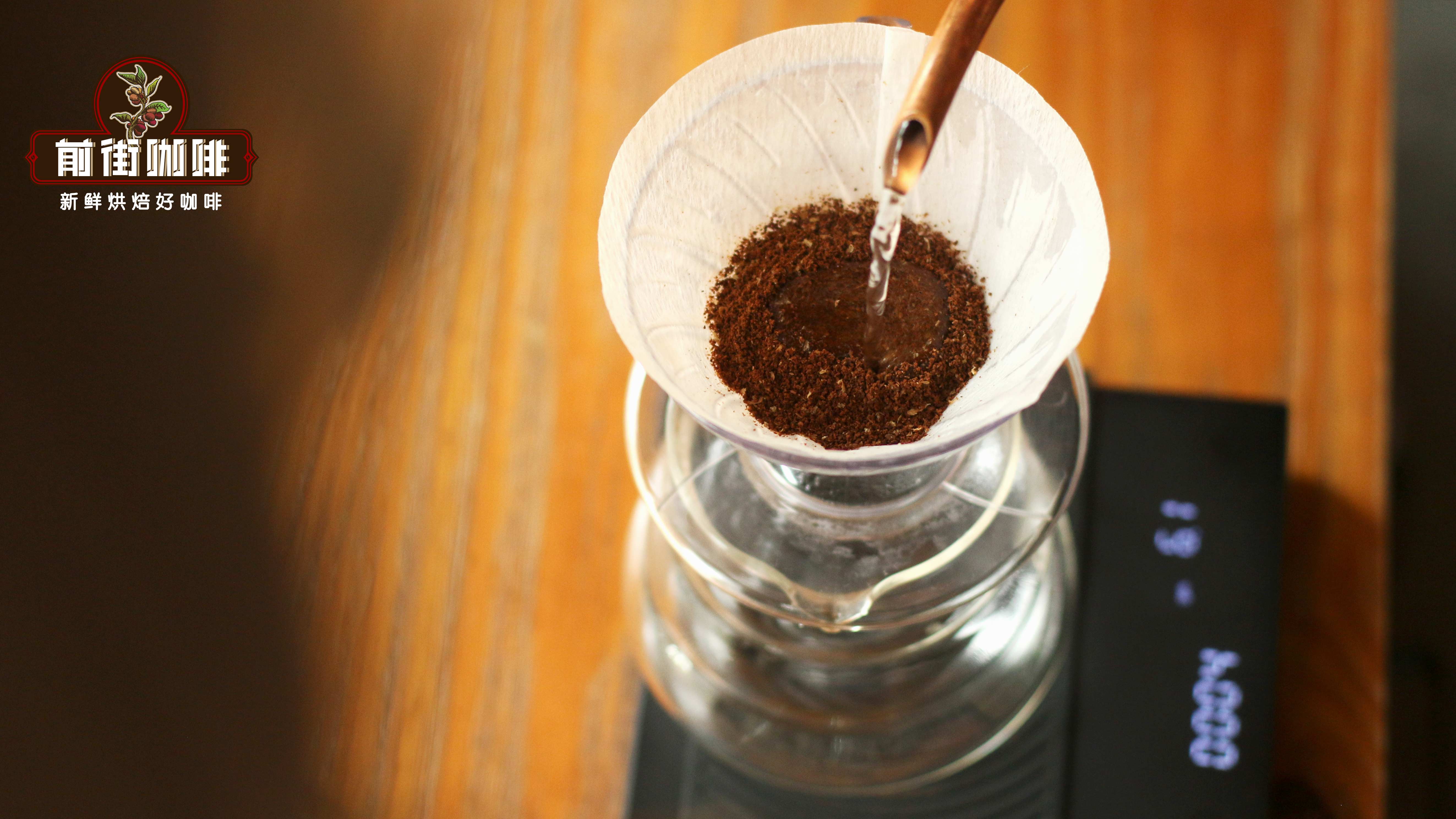
So, how should beginners actually operate to bring the brew time within a reasonable range, such as close to 2 minutes? First, we can start with the roast level, adjusting pouring strategies and grind settings based on the characteristics of dark and light roasted beans.
Taking dark roasted coffee as an example, it’s recommended to use a classic dark roast like Colombian Huila, with 15 grams of coffee grounds, a 1:15 brew ratio, and water temperature controlled between 86–88°C. Pair this with a fast-draining filter like the KONO, and set the grind size to medium-fine, similar to white sugar in coarseness (with a suggested 20-mesh sieve retention rate of about 75%). In practice, the pour can be divided into three stages: the first stage involves pouring 30 grams of hot water for a 30-second bloom; the second stage uses a moderate flow rate, pouring 100 grams of hot water in a spiral motion (like a mosquito coil), maintaining the coffee bed height at about 2/3 of the filter and avoiding direct penetration through the coffee wall, taking approximately 45–55 seconds; once the coffee liquid has fully drained, slowly pour the final 95 grams in small circles with the same flow rate, aiming to finish between 1 minute 30 seconds and 1 minute 40 seconds. This approach results in an overall brew time of about 1 minute 57 seconds, with a rich and balanced flavor profile featuring notes of caramel and nuts.
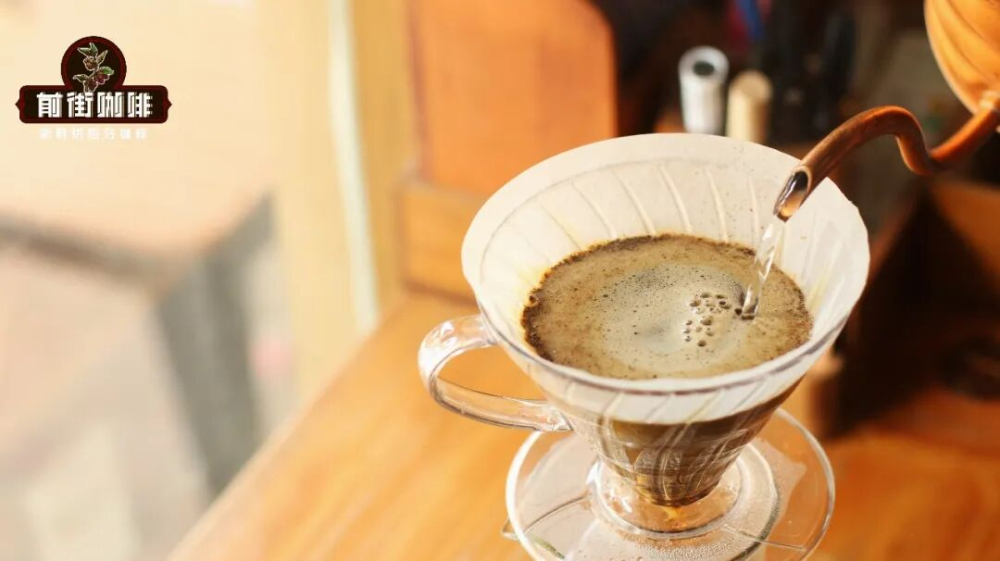
It’s worth noting that if you find the coffee liquid draining too quickly after the second pour—completely falling through in under 1 minute—it likely means the flow rate is too fast. In this case, it’s advisable to split the final 95-gram pour into two batches and further reduce the flow rate to extend contact time and improve extraction uniformity.
As for light roasted coffee, such as Ethiopian Sidamo Hamasho, it’s recommended to use 15 grams of coffee grounds, again with a 1:15 brew ratio, but with the water temperature increased to 92°C. Use a filter like the V60, which has a moderate drainage speed and can enhance flavor layering, and adjust the grind size to finer, similar to superfine sugar (with a 20-mesh sieve retention rate of about 80%). In practice, it’s also a three-stage pour: the first stage is 30 grams of hot water for a 30-second bloom; the second stage switches to a larger flow rate, pouring 100 grams of hot water in circles while deliberately raising the coffee bed to about 4/5 of the filter height to increase the contact area between hot water and coffee grounds. The pouring time remains between 45–55 seconds; once the coffee liquid begins to drain and the coffee bed is exposed, around 1 minute 10 seconds to 1 minute 20 seconds, continue pouring the final 95 grams with a sustained large flow rate, keeping the total pour time between 1 minute 35 seconds and 1 minute 45 seconds. This results in a brew time of around 2 minutes 12 seconds, with clear and bright flavors, often featuring citrus, floral, and tropical fruit notes.
A common issue with light roasted coffee is slow flow rate and easy water pooling, which can lead to brew times exceeding 2 minutes 30 seconds or even longer. To address this, two improvement strategies can be employed: one is to increase the pouring flow rate and use wider circles to leverage the greater water momentum to move fine particles and reduce blockages; the other is to modify the initial 30-gram, 30-second bloom by splitting it into two parts—for example, 20 grams for 20 seconds, then another 20 grams for 20 seconds. Segmenting the bloom helps the coffee grounds absorb water more evenly and improves fluidity, thereby enhancing brew flow rate and time control.
The above content is compiled by CoffeeHunters, a coffee news website.


