







Introduction:Many beginner coffee enthusiasts believe that simply mimicking latte art movements is enough to succeed, but in reality, controlling lines and patterns hinges on understanding two fundamental elements: "pouring distance" and "flow rate." This article delves into how these factors influence the movement and pattern formation of milk foam on the coffee surface, and gradually guides you through practical tips for classic latte art designs such as hearts, leaves, and tulips. Starting from the principles, you can steadily and solidly improve your latte art skills.
Many friends who are just starting to explore latte art often have a common misconception: they think that by watching others a few times and memorizing the movements, they can easily replicate the patterns. However, when they actually try it themselves, they find that the lines are uncontrollable and the desired shapes just won’t come out. This gap stems from the fact that visual mimicry alone is far from enough—latte art not only requires skilled hand movements, but also an understanding of the underlying principles. This article will focus on the two most basic aspects of latte art—pouring distance and flow rate—explaining in detail what they are, how they affect the behavior of milk foam on the coffee surface, and the different outcomes produced by their various combinations. Once you grasp these principles, you’ll not only be able to recreate classic patterns, but also flexibly create more variations.
Many people have had similar mindsets even before they start practicing latte art, and beginners often feel the same way. However, once they begin hands-on practice, they quickly realize that the actual results often differ greatly from what they envisioned—the lines are hard to control, and the imagined patterns just don’t come out as expected. The root cause of this situation is that most people merely “learn” the movements of latte art with their eyes, while neglecting the fact that to produce beautiful latte art, in addition to repeatedly practicing to build hand feel, one must also understand how it works.
Regarding latte art creation, we’ve previously shared quite a bit of content, such as how to steam milk suitable for latte art or how to make latte art patterns clean and neat—these can all be found in our past articles. But if you want to truly gain the ability to effortlessly create any latte art design, you first need to master two very fundamental elements: flow rate and pouring distance. We’ve noticed that not only beginners, but even some who can already make basic latte art, can’t clearly explain the principles behind the patterns, or why certain movements are made. The reason they can produce designs is merely because they’ve memorized the steps needed for a specific pattern and rely on perfectly replicating those movements to complete the artwork. If you don’t want to stop at that level, it’s recommended that you delve deeper into how flow rate and pouring distance affect latte art—once you understand them, you’ll be able to more easily branch out into more patterns.
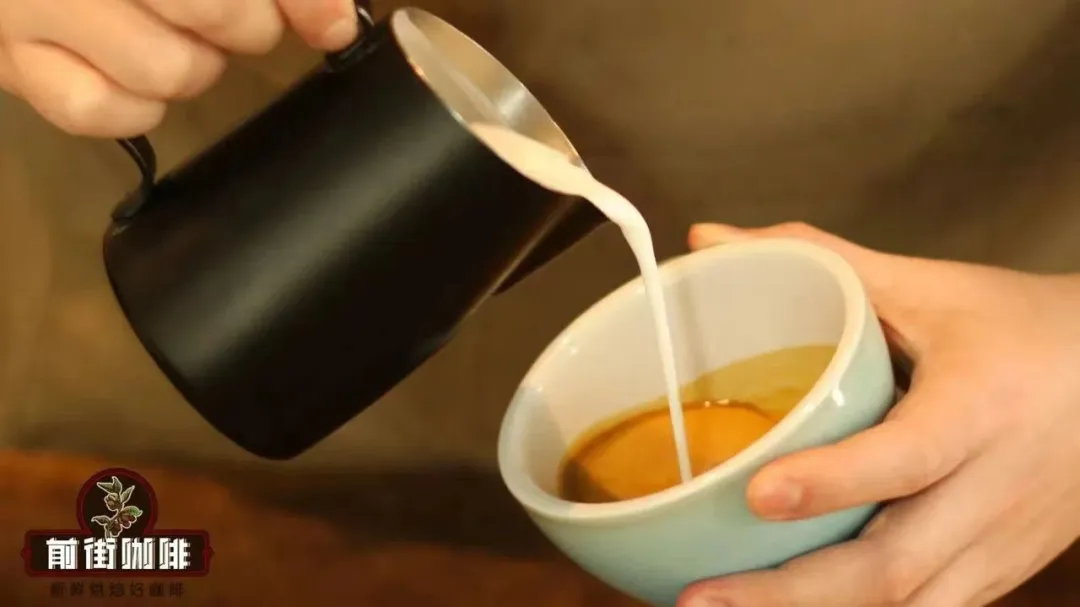
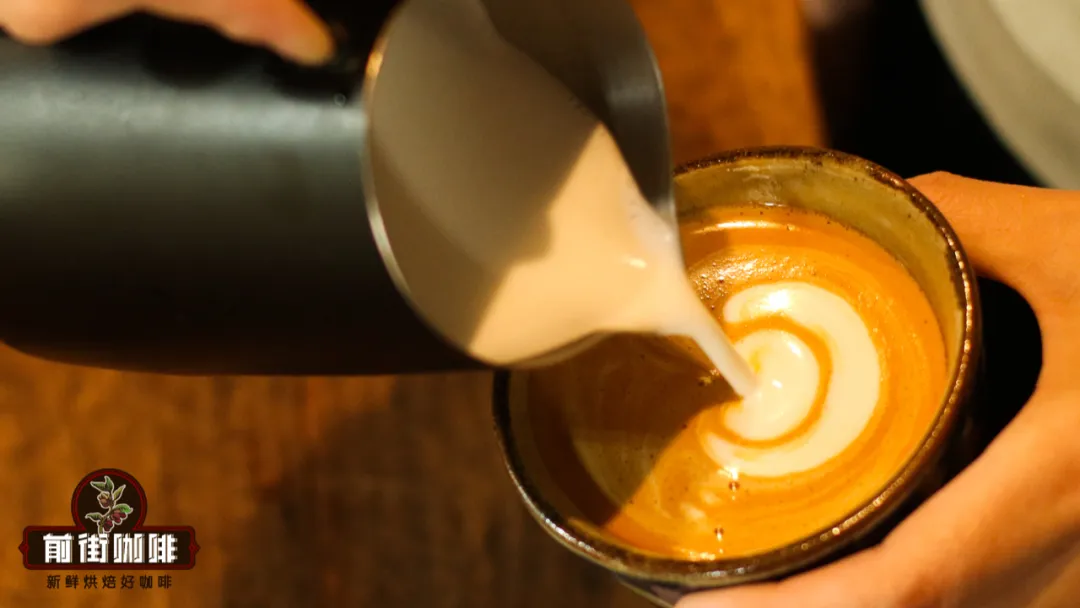 First, let’s get familiar with the two core concepts: "pouring distance" and "flow rate." Pouring distance refers to the vertical distance between the point where milk exits the pitcher and the surface of the coffee. A larger pouring distance means the spout is farther from the coffee surface, and the milk is poured from a higher position; conversely, a smaller pouring distance means the pouring position is lower. The height of the pouring distance directly determines whether the milk foam can stay on the coffee surface to form patterns. When the pouring distance is high, the milk falls a longer distance, gaining greater impact force, causing the foam to be directly drawn into the coffee and mix thoroughly with it; when the pouring distance is low, the impact force weakens, and the foam isn’t pulled into the coffee liquid but instead stays on the surface, thereby forming clear patterns.
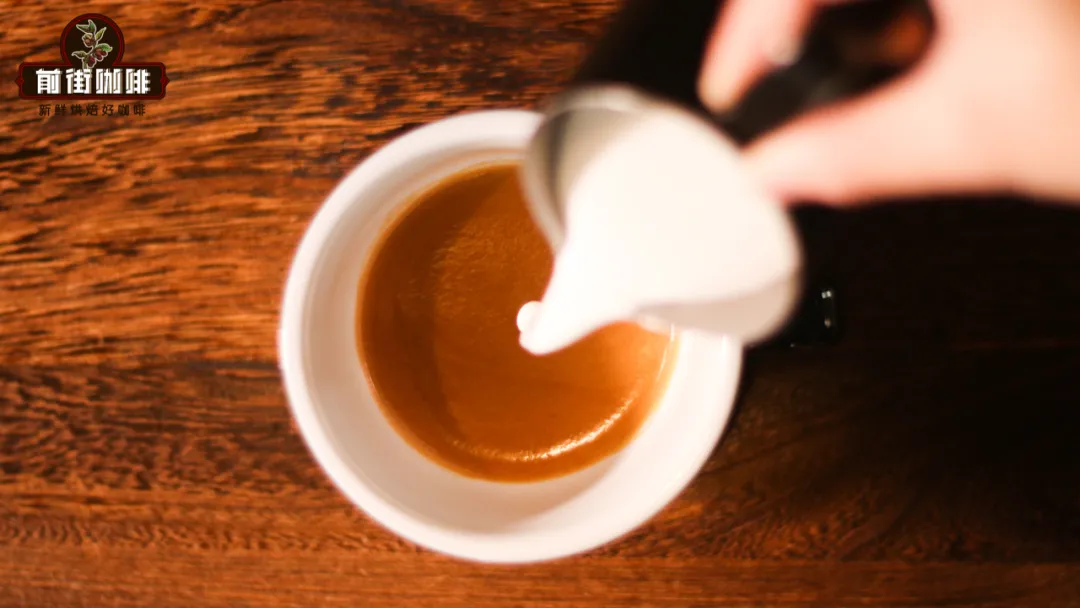
Therefore, during the blending stage, we usually use a high pouring distance to inject milk, with the aim of allowing the milk to mix thoroughly with the espresso while leaving no marks on the surface, keeping it clean. Once we move into the latte art stage, we reduce the pouring distance so that the foam can float on the liquid surface, thus forming visible patterns. As for flow rate, it refers to the speed at which milk exits the pitcher. A higher flow rate means more milk and foam are poured out per unit of time; a lower flow rate means less is poured. Different combinations of pouring distance and flow rate will produce vastly different latte art effects.
 For example, when you combine a high pouring distance with a high flow rate, the milk has extremely strong impact force—it blends better with the coffee, but it can also rebound off the bottom and back up to the surface, causing the surface to become white and affecting the overall appearance. On the other hand, a high pouring distance with a low flow rate allows the milk to pour out thin yet forceful, blending well with the coffee without easily disrupting the cleanliness of the surface. What about a low pouring distance combined with a high flow rate? This combination helps you create large-area latte art patterns or designs—because the pouring distance is low, the foam doesn’t have much impact force and can easily float on the coffee surface. Combined with the large flow rate injecting a lot of foam in a short time, the resulting patterns will be thicker and cover a larger area, commonly used for creating large white hearts or similar big patterns.
Additionally, if you pair this with a quick shaking technique—while pouring foam at a low pouring distance and high flow rate, you rapidly sway the pitcher—the foam will form large yet fine-patterned designs on the surface, such as layered hearts or leaves. It’s a bit like “flicking” the foam out of the pitcher to draw the pattern—due to the high flow rate, these patterns layer upon each other, and the more you pour, the more layers stack up. As for a low pouring distance combined with a low flow rate, this combination helps you draw smaller-area, finer-line patterns, often used in composing composite patterns, since most composite patterns consist of small, delicate lines. Therefore, when making some more refined latte art, try reducing the pouring distance and lowering the flow rate to draw.
The above content is compiled by CoffeeHunters, a coffee news website.


