







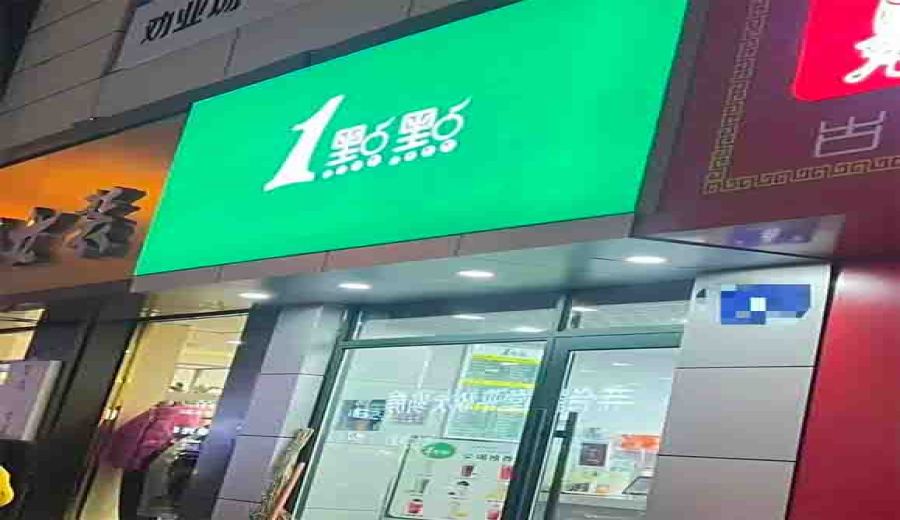
Introduction:A shop in Mudanjiang City, Heilongjiang Province, whose exterior closely resembles the popular chain tea brand 1点点, has sparked widespread discussion. From its signage to its interior decor, the imitation is almost indistinguishable from the real thing. What’s more, it cleverly camouflages itself as "1点" by covering up the last character on its cup stickers. Customers who peeled off the label discovered the truth — the actual name is "1点甜." Not only is the store not listed on the official mini-program, but it also isn’t located within the brand's publicly announced franchise areas. This case highlights the rampant issue of counterfeiting in the tea beverage market and provides a professional analysis of key characteristics to identify fake stores.
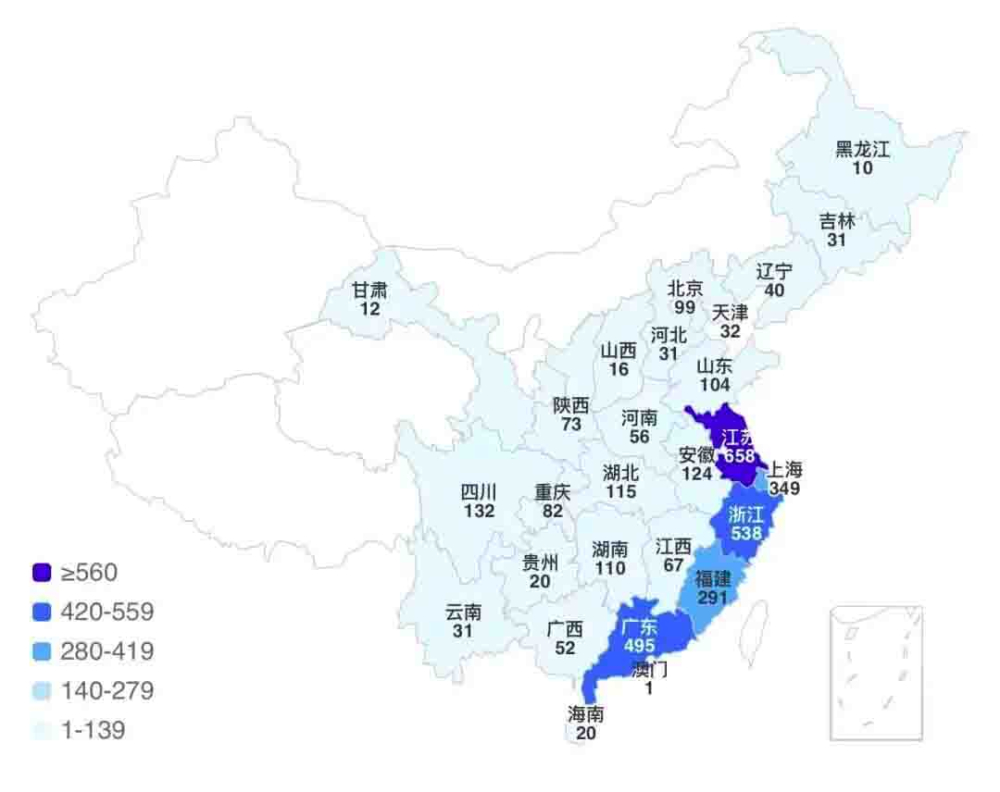
The well-known Chinese tea chain 1点点 has a sparse presence in China's northeastern region, with only 10 authorized stores across the entire province of Heilongjiang. This has led to long-standing anticipation among local consumers for the brand to expand into the area. Recently, the opening of a new store in Mudanjiang City that closely mimics 1点点 quickly became a hot topic on social media.
Observations on-site reveal that the shop not only fully replicates the classic green-and-white logo design but also closely imitates the interior décor of the genuine brand. However, attentive customers noticed that the store could not be found on the official mini-program, and after checking the brand’s publicly available list of franchise regions, they confirmed that Mudanjiang City is not open for franchising.

As more consumers visited the location, key clues began to emerge. One customer shared details of the beverage packaging: the staff had precisely placed the drink’s label at the end of the brand logo, deliberately covering up the last character “点,” making it appear as just “1点.” When the label was peeled off, the actual full name turned out to be “1点甜.”
Further scrutiny revealed even more evidence of violations: the straws included with the drinks were printed with the words “友点甜,” and the brand website printed on the cup was not the official “alittle-tea,” but was altered to “yidiandian.” Business registration records show that the store is a newly registered business entity under the name “一點甜” (One Point Sweet), registered on November 3, and has no connection whatsoever with the 1点点 brand.
This counterfeit incident exposes common deceptive tactics used by copycats: establishing a first impression through similar visual designs, then creating confusion via packaging details. Industry insiders advise that three key verifications can help identify genuine 1点点 stores: first, check if the store is listed on the official mini-program; second, inspect whether the cup sticker fully displays the “1点点” logo; and third, compare the brand’s official website URL for correct spelling.
After the issue continued to gain public attention, the official 1点点 brand finally responded to the situation, clearly stating that it has initiated legal proceedings to protect its rights and publicly thanked consumers for helping expose the counterfeit activities. This incident not only affects the rights of local consumers but also brings the issue of intellectual property protection in the tea beverage industry back into the spotlight.
The above content is compiled by CoffeeHunters, a coffee news website.


