








Introduction:Are microlot coffees really of higher quality than regular lots? This article delves into the definition, origin background, and cost structure of microlot coffee, and takes the Mozart variety of the Costa Rican Musician Series with raisin honey processing as an example to analyze its unique flavor characteristics. It also compares the differences between air-freight and sea-freight lots to help coffee enthusiasts gain a more comprehensive understanding of the concept of microlots and make smarter choices.
Microlot coffee is often regarded as synonymous with high quality, but in reality, this label encompasses multiple layers of meaning. Simply put, a microlot refers to a relatively small batch of coffee beans, which often possesses uniqueness in quality or flavor due to its limited production.
So why do microlot coffees easily give the impression of being high quality? This is closely related to the cost structure of transporting coffee beans. Most coffee beans are shipped by sea, especially for countries with large production volumes, where sea freight is the most economical option. For example, a 20-foot container can hold approximately 17.5 tons of coffee beans. If a particular lot is only small in quantity, the shipping cost per unit will increase significantly, leading to a noticeably higher unit cost. Therefore, unless the lot has sufficiently unique flavors or high quality, it is difficult to compete with mass-market products.

For this reason, coffees that are released as microlots and sold at relatively high prices usually come with certain quality guarantees. Especially in Central American regions such as Costa Rica, Panama, or Colombia, many farms place greater emphasis on quality rather than sheer volume, thus investing more effort in variety selection, cultivation management, and post-harvest processing, which contributes to the special status of microlot coffee in the market.
With the rise of the specialty coffee trend, more and more coffee producers are beginning to focus on the impact of details on flavor, and the concept of microlots has gradually expanded. One common form is microlots dedicated to experimenting with specific processing methods, which often exhibit characteristics distinctly different from traditional processing.
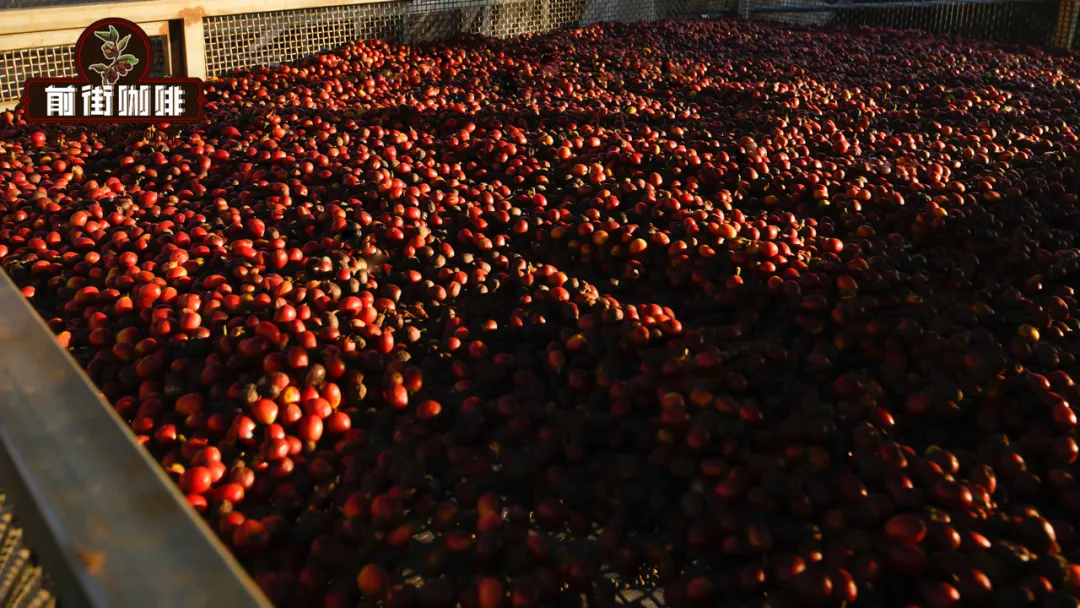
For example, some farms primarily use washed or natural processing methods for their coffee, but to explore different flavor potentials, they may choose to experiment with a small portion of beans using anaerobic fermentation, double anaerobic processing, or other innovative methods. Since these processing methods carry higher risks and produce limited yields, such experimental beans are usually set aside and sold as microlots. These beans are generally not blended with regular lots and are sent out by coffee scouts for cupping sessions around the world, with future production decisions based on market feedback.
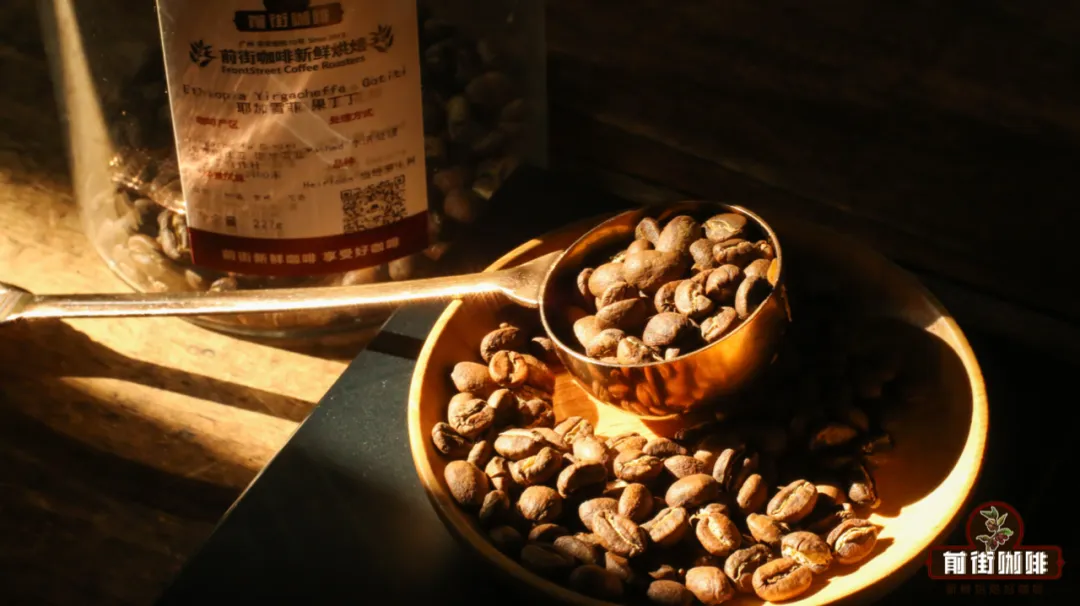
If the experimental results receive positive reviews, these microlots may even be featured on auction platforms, becoming flagship products of the farm. In particular, experimental batches from high-altitude regions with refined processing are often able to attract the attention of the premium market. However, such microlots are usually produced in very small quantities and competition for them is relatively fierce.
In addition to experimental processing, some farms specifically select the batches with the most outstanding flavors based on cupping results to sell as microlots. For example, the renowned Finca El Verde in Costa Rica, which owns multiple small plots, selects several of the best-performing coffees each year through rigorous cupping procedures, with each batch sometimes weighing less than 50 pounds, and then sells them via auction to global buyers.
Moreover, private customization is also a form of microlot. Many farms or producers tailor unique microlots according to the needs of traders or roasters, targeting specific processing methods, roast profiles, or market preferences. This collaborative approach not only meets the demands of niche markets but also adds more diversity to coffee flavors.
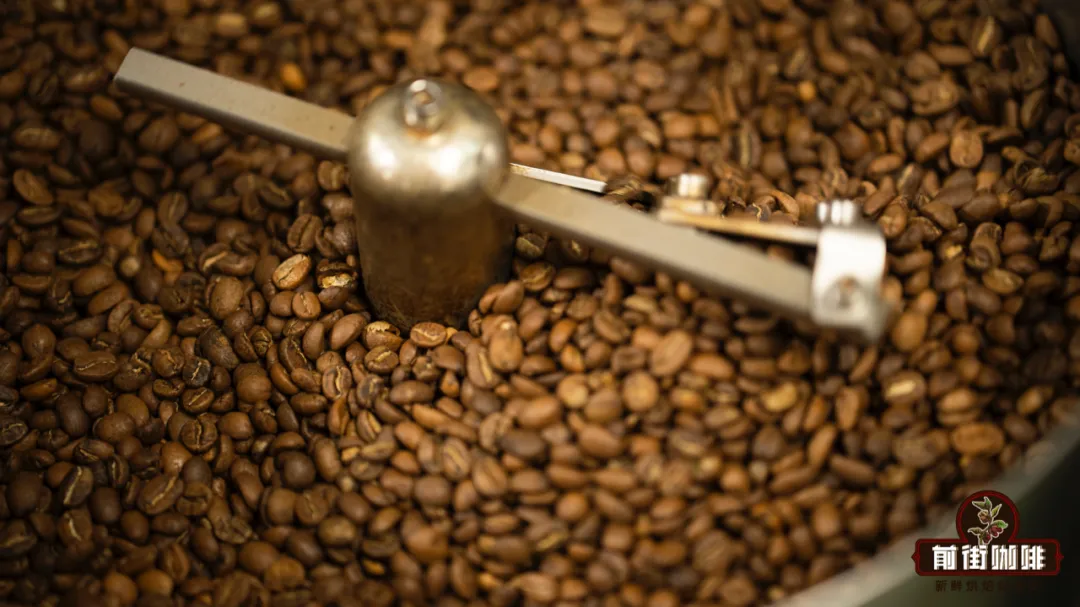
Take the Mozart variety from the Costa Rican Musician Series as an example. This is a microlot coffee processed using the raisin honey method. This processing technique combines the sweetness of honey processing with special drying techniques, imparting the coffee with rich fruity and floral notes. According to tasters’ feedback, this coffee clearly showcases elegant lavender-like floral aromas, intense raisin sweetness, as well as a complex profile of sweet orange and berries, delivering an overall outstanding performance—perfectly suited for pour over enthusiasts who enjoy fruity profiles.
Additionally, many consumers may also see so-called “air-freight lots” of coffee on the market. These are usually the first new arrivals of the season, rapidly delivered to the market by air to seize the early market window. For instance, certain coffee shop offerings such as Geisha Village Red Label Geisha or Ethiopia Huila have been launched as air-freight lots. The primary purpose of such lots is to let consumers experience the flavors of the new season ahead of time, while also warming up for subsequent sea-freight lots. Typically, air-freight lots are slightly higher in both quality and price compared to sea-freight lots, but they allow consumers to enjoy the freshness of the season’s crop earlier.
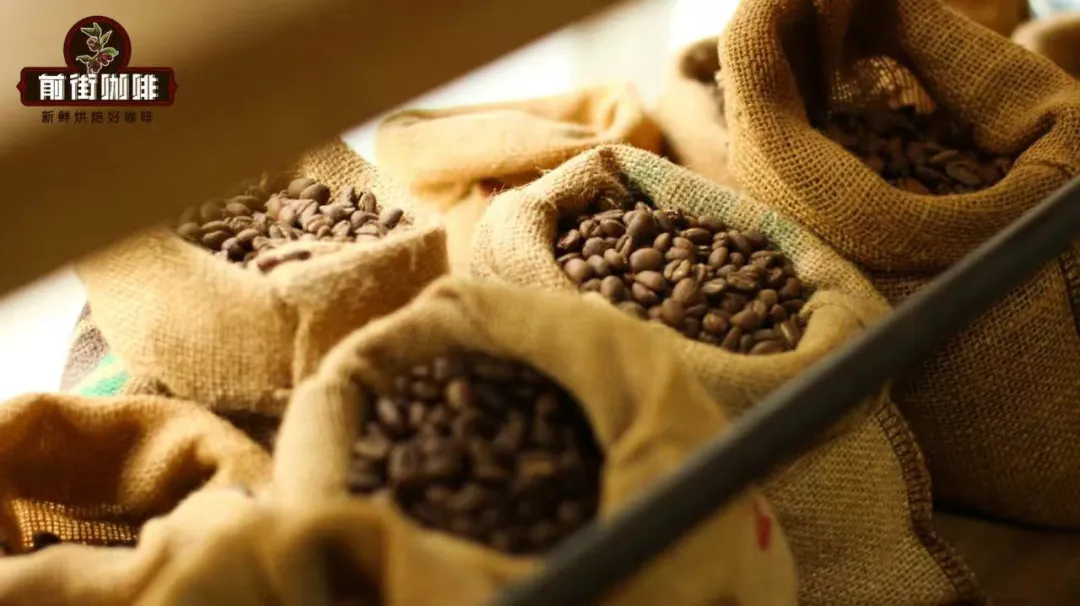
In summary, microlot coffee does not necessarily equate to absolute high quality, but it often involves more care and selection. Whether it's experimental processing, carefully selected flavors, or private customization, these microlot coffees offer consumers more diverse and unique options. Understanding the production logic and transportation differences behind them can help coffee enthusiasts make more rational choices that match their taste preferences and budgets.
The above content is compiled by CoffeeHunters, a coffee news website.


