








Introduction:Espresso is rich in flavor, but its bitterness may be off-putting to some when consumed straight. This article introduces seven classic flavorings and creative ways to enjoy espresso, including adding sugar, dairy, lemon, salt, and other natural ingredients. From the classic Espresso Con Panna and Macchiato to the Roman-style espresso, these methods help you find an espresso style that suits your taste while preserving its bold character.
Espresso is characterized by high-concentration extraction, delivering a concentrated burst of flavor often accompanied by a noticeable bitterness and strong aftertaste. However, not everyone readily embraces this intense profile—especially beginners or those who prefer smoother tastes—finding straight espresso too harsh. In reality, with moderate flavor adjustments such as adding sugar, dairy products, fruit acids, or a touch of salt, the bitterness can be effectively softened, highlighting the inherent chocolatey, nutty, and creamy notes of the espresso.
This article will guide you through seven common and practical espresso flavoring techniques and specialty drink methods that not only reduce bitterness but also add multi-dimensional flavor experiences. All demonstrations are based on a standard 20g coffee dose, 30-second extraction time, yielding about 40ml of espresso, using a classic medium-dark roasted blend. The flavor profile includes chocolate, nuts, cream, and caramel-like cookie notes.

First, for those unaccustomed to the natural bitterness of espresso, the most intuitive way to adjust the flavor is by “adding sugar.” Sugar instantly provides sweetness, effectively counteracting the bitterness’s impact on the taste buds. Common white sugar, due to its high purity and low impurity content, offers a clean and direct sweetness. It’s recommended to add about 5g, which can significantly improve the drinking experience. For more complexity, brown sugar can be used instead—it hasn’t been overly refined and carries subtle caramelized aromas and a richer mouthfeel. Just 5g can bring a different character to the espresso.
Additionally, in the Cuban-style espresso method, brown sugar is commonly used as a flavoring ingredient. The unique step involves splitting the espresso shot into two halves, mixing one half with about 10g of brown sugar thoroughly until it becomes thick and syrupy, then pouring in the remaining espresso. This method not only reduces overall bitterness but also adds the distinct sweetness and rich texture of brown sugar, resulting in a fuller mouthfeel. It’s especially suitable for those who enjoy sweetness and complex flavors.
If you don’t want the espresso to be completely dominated by sugar, consider adding dairy products to soften the coffee’s intensity. Dairy isn’t just for lattes—many classic espresso variations rely on milk foam, whipped cream, or condensed milk to adjust both flavor and bitterness.
For example, the classic “Espresso Con Panna” (espresso with whipped cream) is made by simply topping a freshly extracted shot of espresso with a dollop of smooth, whipped fresh cream. This approach not only mellows the coffee’s direct intensity but also adds a silky and velvety texture. It’s recommended to enjoy it without stirring, savoring the changing balance between coffee and cream with each sip. Meanwhile, a “Macchiato” involves adding just a small amount of milk foam or a tiny bit of milk to the espresso, mainly for visual contrast and slight texture adjustment. It doesn’t significantly dilute the espresso’s original character but still adds a touch of smoothness.
Meanwhile, in Spain, there’s a unique espresso variation called Café Bombón. Its preparation is distinctive: using equal parts espresso and sweetened condensed milk—for example, 40ml of espresso paired with 40ml of condensed milk. This combination results in an intense sweetness, akin to drinking syrupy coffee. However, this level of sweetness may be too much for many, so it’s suggested to adjust the ratio to 1:0.5—that is, 40ml of espresso with about 30ml of condensed milk. This way, you can enjoy a sweet and rich drink without it becoming overly cloying.



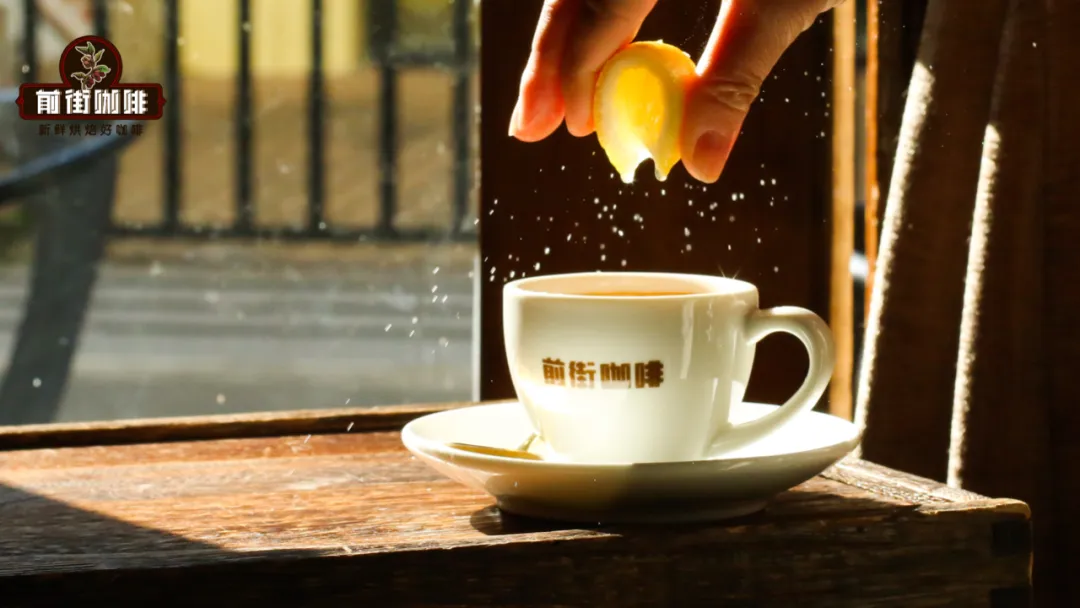
Beyond sugar and dairy, other natural flavoring options such as lemon and salt can also skillfully adjust the flavor profile of espresso. For instance, the “Roman-style espresso” from Italy’s Rome region is characterized by using the fresh acidity of lemon to balance the coffee’s intense bitterness, then adding sugar to create a uniquely sweet-and-sour taste.
In practice, it’s recommended to squeeze about 4ml of yellow lemon juice into 40ml of espresso, then add 10g of white sugar and stir gently to combine. This method is particularly suitable for medium-dark roasted beans, which tend to have more pronounced bitterness. A moderate sweet-and-sour adjustment can bring out a more balanced flavor experience. However, it should be noted that if using light roast or extremely dark roast beans, the amounts of lemon and sugar should be adjusted based on actual flavor expression.
Finally, there’s a little-known trick that many might not expect—“adding salt.” Practical tests show that a small amount of salt can suppress the bitterness receptors in coffee while enhancing overall smoothness and flavor depth. Simply adding less than 0.5g of table salt (about a pinch) to 40ml of espresso can noticeably reduce bitterness and yield a rounder mouthfeel. But remember, salt must be precisely measured—too much can easily backfire and make the coffee unpleasant to drink.


In summary, the charm of espresso lies not only in its bold, concentrated essence but also in its ability to interact with various flavor elements to create diverse possibilities. Whether you prefer sweetness, creaminess, balanced acidity, or a hint of saltiness, these creative drinking methods allow you to discover your own perfect espresso pairing. Don’t hesitate to try them out and explore your ideal cup of espresso.
The above content is compiled by CoffeeHunters, a coffee news website.


