








Introduction:Many coffee enthusiasts are surprised by the floral and fruity aromas released during pour over brewing, only to find the taste surprisingly bitter and astringent. In fact, this gap between “smelling good” and “tasting bitter” lies in the difference between “orthonasal olfaction” and “retronasal olfaction.” This article will delve into how coffee aromas change during grinding, brewing, and drinking, and teach you how to use the “mouth breath-back” technique to rediscover those captivating layers of aroma in your coffee.
Many friends who enjoy pour over coffee are often drawn in by enticing aromas like strawberry, jasmine, citrus, and honey during grinding or brewing. However, the first sip often shocks them with noticeable bitterness and acidity, creating a stark contrast to the sweet expectations. This experience of “smelling good but tasting bitter” is actually due to the fact that our sense of smell and taste process information through completely different pathways.
The roasted coffee beans release over 850 different aromatic compounds, and these volatile substances are emitted in large quantities the moment the beans are ground, giving off an aroma reminiscent of a strawberry field or a flower garden. However, when we actually drink the coffee, what we perceive includes not just aroma but also water-soluble flavors such as bitterness and acidity, which are directly received by the taste buds. These taste stimuli are often more direct and intense, easily overshadowing the original aroma impression.
When we grind coffee or smell its dry aroma, we mainly rely on “orthonasal olfaction,” which is the direct inhalation of aroma molecules through the nasal cavity. At this stage, the volatile substances released from the coffee grounds are at their peak, making the aroma rich and captivating. However, once brewing begins and hot water contacts the coffee grounds, although aromas are still released, they are slightly weaker compared to the dry state, and usually need the nose close to the rim of the cup to be clearly captured.
When we actually drink the coffee, we primarily perceive aromas through “retronasal olfaction.” This refers to when we swallow or hold the coffee in our mouth, aroma molecules travel from the back of the oral cavity through the nasopharyngeal passage into the nasal cavity, where they are captured by olfactory receptors. However, once these aromas enter the oral cavity, some are broken down by saliva or other chemicals, and the direction of airflow during swallowing also affects their journey, resulting in a significantly reduced amount of aroma reaching the nasal cavity. Therefore, the overall intensity of aroma we perceive is far less intense than when simply smelling the coffee.
Additionally, the influence of taste should not be overlooked. Caffeine, acidic compounds, and various bitter substances in coffee directly stimulate the taste buds on the tongue, making sourness and bitterness the most immediate sensory impressions. These prominent flavors dominate our first impression of the coffee, sometimes even causing us to overlook the underlying fruit or floral notes.
Interestingly, even after the coffee is swallowed, we can still recapture those lingering aromas through a simple trick — the “mouth breath-back” technique.The method is simple: after swallowing the coffee, gently close your mouth and slowly exhale through your nose. This brings the aroma molecules lingering in your mouth and throat back toward the nasal cavity, allowing you to once again perceive delicate aromas such as pineapple, strawberry, and jasmine.
For example, take a certain brand’s natural-processed Huaguai beans. During the grinding stage, you can clearly smell aromas of strawberry, mango, and guava in the dry scent; after brewing, the wet aroma reveals jasmine, oolong tea, and berry notes.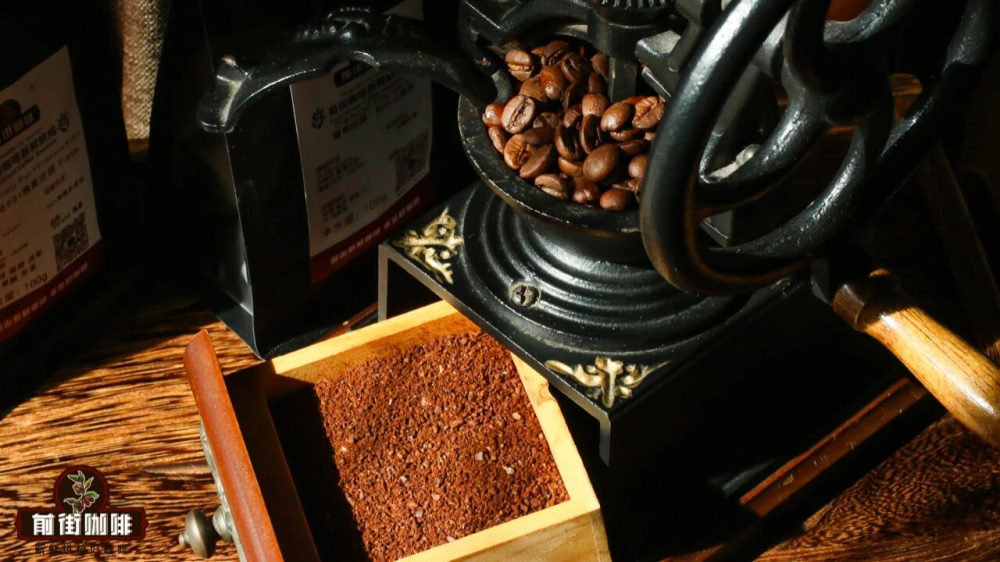 And when you swallow the coffee and perform the mouth breath-back, you can even detect more three-dimensional aromas like pineapple, strawberry, and guava. Although not as intense as the dry aroma, these notes become even more rich and layered against the backdrop of flavor.
Moreover, many people are initially startled by the strong bitterness or acidity of the first sip of pour over coffee. But in reality, if you give your taste buds just a few seconds to adjust, the subsequent sips often turn out to be smoother and more palatable.It is recommended that beginners take a small sip first to get a sense of the overall flavor profile, then gradually appreciate the subtle changes as the coffee cools. Be patient and take a few more sips—you might find that what initially seemed hard to drink actually contains unexpectedly delightful fruitiness and sweetness.
In summary, the significant difference between the sensory experiences of smelling and drinking coffee is largely due to the distinct mechanisms of orthonasal and retronasal olfaction, compounded by the direct interference of taste, leading us to misunderstand the true flavor of coffee. By mastering the simple “mouth breath-back” technique, you can rediscover the captivating secrets of coffee aroma with every sip.
Next time you brew a coffee rich in floral and fruity notes, don’t let the first impression fool you. Try using both your nose and mouth to taste it, and you’ll discover that the world of coffee is far deeper and more fascinating than you imagined.
The above content is compiled by CoffeeHunters, a coffee news website.


