







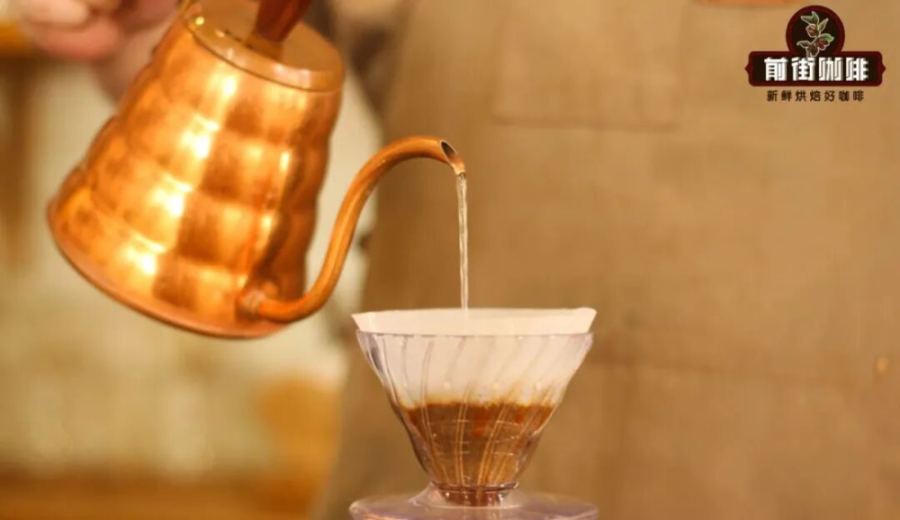
Introduction:The flavor of pour over coffee is not only determined by the beans themselves but also closely related to the details of the brewing process. Among these, water pouring height—a seemingly minor parameter—can significantly affect water temperature, extraction uniformity, and the final flavor profile. This article will delve into the mechanisms by which pouring height impacts pour over coffee, explore why it is recommended to keep the pouring height between 0 to 7 centimeters, and provide practical examples to illustrate how to adjust your pouring technique at different stages based on the roast level of the beans. This will help you more accurately control the direction of the flavor.
Among the many variables in pour over brewing, pouring technique is one of the most controllable aspects for the brewer. And within these adjustable parameters, pouring height may seem small, yet it has a profound impact on the overall extraction. The vertical distance from when water exits the spout until it hits the coffee grounds determines the force of the water stream, the intensity of agitation, and the heat loss—thereby altering the balance of acidity, sweetness, and bitterness in the coffee. This article will analyze the pros and cons of different pouring heights from a scientific perspective, explain why the ideal pouring height should be maintained between 0 to 7 centimeters, and guide you through actual brewing examples. You’ll learn how to adjust your pouring strategy in stages according to bean characteristics and roast levels, allowing you to more precisely draw out the desired flavors.
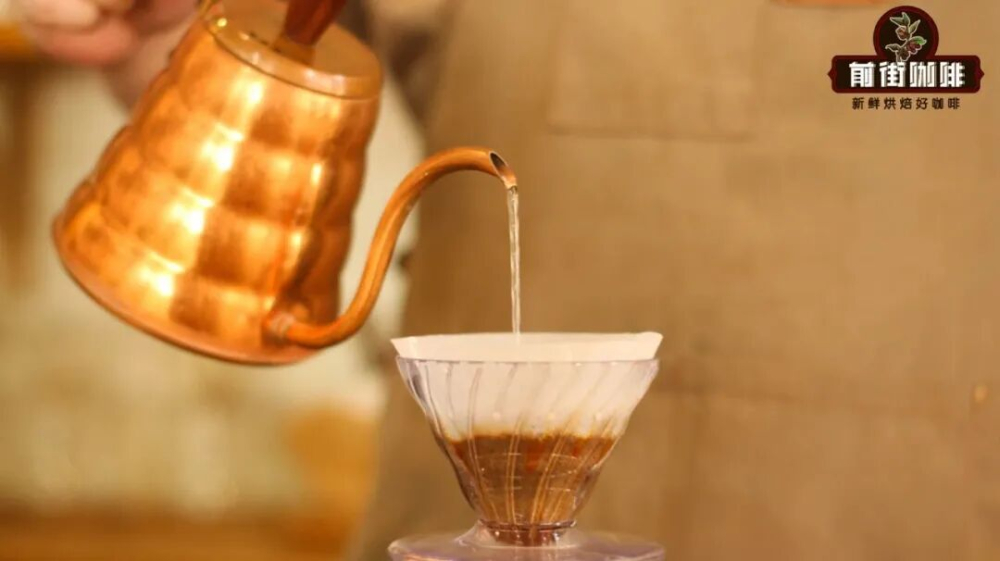
When brewing pour over coffee, we usually focus on core elements such as coffee dosage, grind size, water temperature, coffee-to-water ratio, brew time, filter type, and pouring method. Among these, the pouring method—being highly reliant on technique—is often further divided into multiple sub-elements—such as how many pours to use, the speed of the water stream, the rhythm of circular pouring, and where the water lands. However, experienced coffee enthusiasts may notice another commonly overlooked yet crucial detail: pouring height, that is, the vertical distance from the spout of the kettle to the surface of the coffee grounds. Some may wonder, does the height from which you pour really change the taste of the coffee? Does pouring from a higher position mean better extraction?
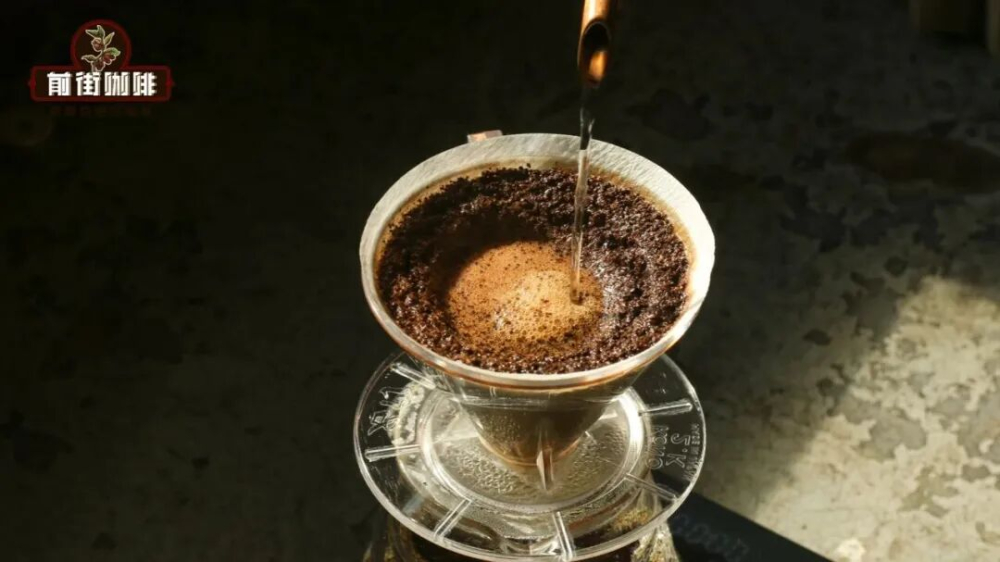
In reality, every barista or enthusiast has their own preferred pouring style: some like to hold the spout low, almost skimming the liquid surface while circling the pour; others prefer to lift the kettle high, letting the water fall vertically; and many professional shops maintain a stable pouring height of around 3 to 4 centimeters. These various methods can all produce delicious coffee, so there is no absolute “standard pouring height.” The fun and challenge of pour over brewing lie in the dynamic balance of various parameters—we can reflect on issues based on actual brewing results and optimize the efficiency and uniformity of coffee-to-water contact by adjusting variables including pouring height. Ultimately, this helps achieve the desired flavor profile.
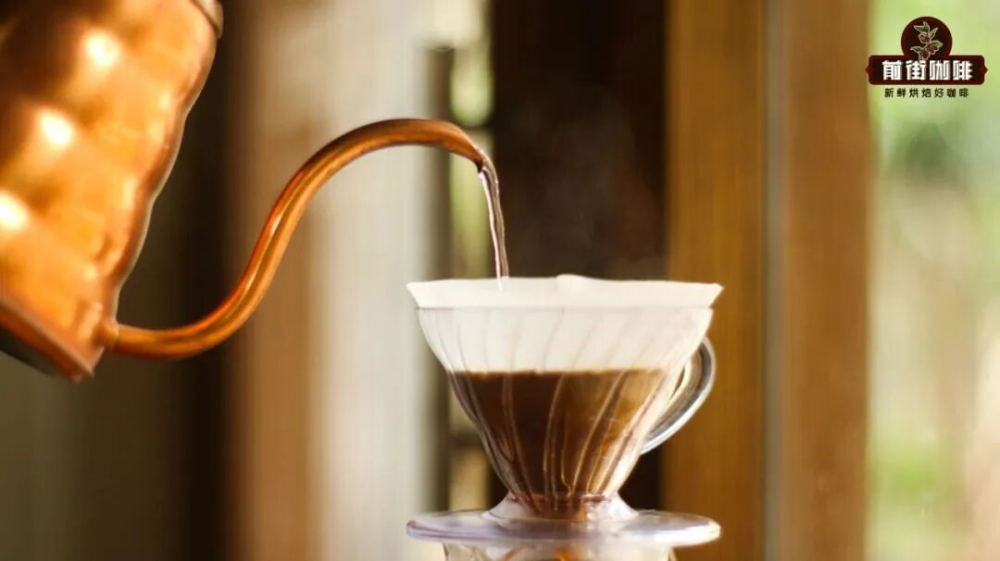
So, how exactly does pouring height influence coffee flavor? In principle, we recommend keeping the water stream vertical, continuous, and evenly circular, with minimal bubbling upon hitting the liquid surface. Experiments have shown that when the pouring height exceeds 7 centimeters, the water stream tends to disperse or even break into tiny droplets. When these land on the coffee bed, they can create bubbles, causing hot water to only contact the top layer of grounds and leading to under-extraction of the bottom layers. Therefore, we set the ideal pouring height range at 0 to 7 centimeters. Additionally, changes in pouring height affect coffee extraction in the following three ways.
First, as the water stream falls, it performs a “rinsing,” “loosening,” and “agitating” action on the coffee bed, thereby promoting the release of soluble compounds. The higher the pouring point, the stronger the penetration of the water stream and the greater the agitation of the coffee bed—this makes it easier to extract bitter and off-flavor substances. Moreover, intense agitation can cause fine particles to settle prematurely and clog the filter paper pores, affecting subsequent extraction uniformity. Therefore, in general brewing protocols, we recommend avoiding excessively high pouring heights (above 7 centimeters). Conversely, if the water stream is too low—almost skimming the liquid—it may be gentle in penetration, but it can lead to insufficient agitation of the coffee bed, resulting in incomplete extraction. At the same time, a low stream is more likely to spread outward, disrupting the structure of the coffee “wall” and creating uneven localized extraction. For beginners, it’s advisable to maintain a distance of at least 2 to 3 centimeters between the pouring point and the liquid surface, combined with a medium to slightly high water flow, to achieve a better balance.
Second, as water exits the kettle spout, increased exposure to air in terms of time and surface area leads to a drop in temperature. High water streams have a larger surface area exposed to air, accelerating heat dissipation. As a result, the actual water temperature involved in extraction will be lower than expected, affecting the coffee’s concentration and flavor intensity. This effect is particularly noticeable when brewing a small amount of coffee in a large filter—such as using a 3 to 4 cup capacity filter for just 15 grams of coffee. Due to the height of the filter, the kettle needs to be lifted higher, which not only increases heat loss but also makes it easier for the water stream to hit the edge of the filter, adding to the difficulty of pouring.
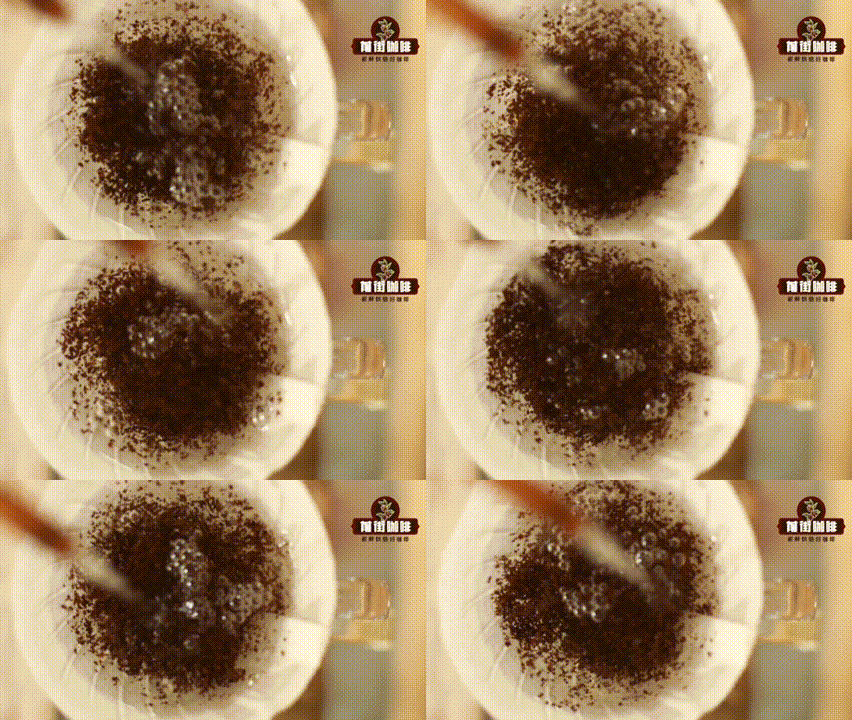
Finally, adjusting pouring height according to the roast level and characteristics of the coffee beans is also an important strategy for enhancing flavor expression. For medium to light roasted single-origin beans from high-altitude regions—known for their higher density and bright, aromatic profiles—in addition to using higher water temperatures and finer grind sizes, you can moderately raise the pouring height during the middle extraction phase to promote the release of acidic and sweet flavor compounds. For example, for a fruit-forward bean, you can use a three-stage pour: maintain a height of 3 to 5 centimeters during the first bloom phase; raise the pouring point to 5 to 7 centimeters for the second phase, using a smaller stream and circular pouring; and then return to 3 to 5 centimeters for the final phase to complete the remaining water volume. This approach helps highlight vibrant fruitiness and layered acidity and sweetness.
For medium to dark roasted coffee, which typically undergoes longer heating times and has a looser bean structure, the flavor is often bold, with rich roasted notes and a full body. In this case, it’s recommended to use a coarser grind, a lower water temperature, and a filter type with a slightly slower flow rate. To enhance aftertaste and lingering sweetness, lower the pouring height during the final stage and finish with a delicate small stream. For instance, a medium to dark roasted bean might use a three-phase pour: the first two phases of bloom and main extraction are both done at a height of 3 to 5 centimeters with a medium stream; the final phase then lowers the pouring point to 2 centimeters, using a small stream and tight circular pouring to strengthen the body and nutty finish.
The above content is compiled by CoffeeHunters, a coffee news website.


