







Introduction:Want to fully unlock the floral and fruity aromas and layered complexity of the Huakui coffee? This article systematically breaks down the key parameters of four classic brewing methods—including pour over, cold pour over, immersion, and cold brew—including grind size, water temperature, coffee-to-water ratio, and step-by-step techniques, while comparing the flavor profiles of each method. Whether you're a beginner or an advanced enthusiast, you'll find the best way to recreate this coffee at home.
Thanks to its high cost-performance ratio and annually updated naming conventions, Huakui coffee has long been a favorite among coffee lovers. This bean boasts a bright flavor profile with clear floral and fruity notes and a light tea-like body, but different brewing methods can significantly affect the final taste. This article will detail the practical parameters of four common brewing methods, guiding you step by step to master the techniques for optimal flavor expression.
[Pour Over: Highlighting Freshness and Layering]
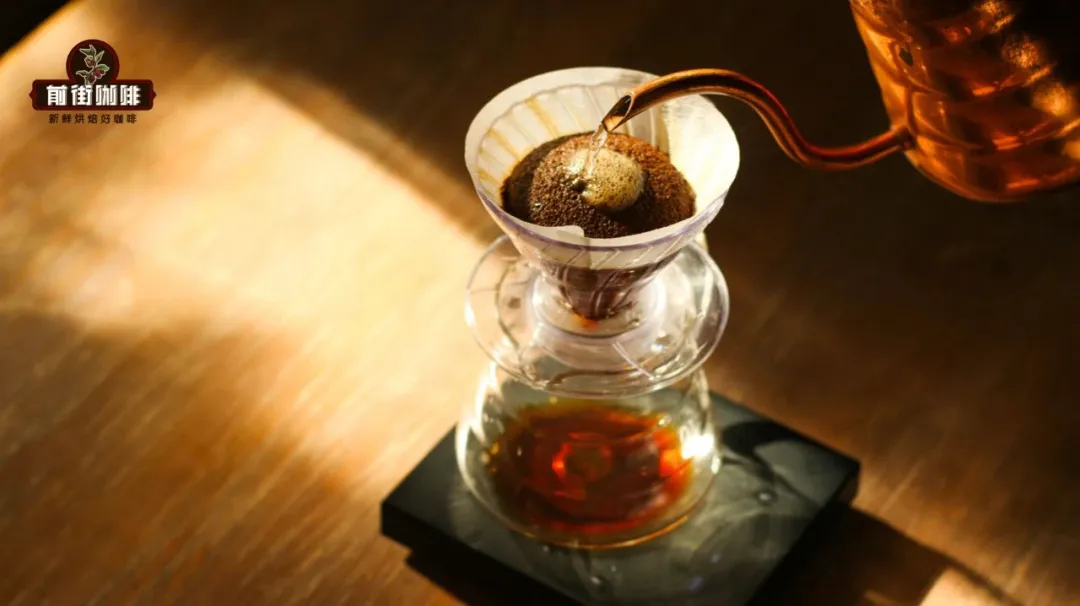
When using a medium-light roasted Huakui bean, it is recommended to pair it with a V60 filter cone to highlight its bright acidity and fruity aromas.The standard parameters are 15 grams of coffee, a 1:15 coffee-to-water ratio, a water temperature of 91–93°C, and a grind size close to fine sugar (75%–80% passing through a #20 sieve).Use a three-stage pouring method: the first stage involves pouring 30 ml of hot water for a 30-second bloom; then pour 120 ml with a medium flow rate in a wide circular motion; finally, pour 75 ml with a small flow rate in a narrow circular motion. The total brew time should be controlled between 2 to 2.5 minutes. The resulting cup is clean with common tasting notes of berries, citrus, oolong tea, and subtle floral aromas.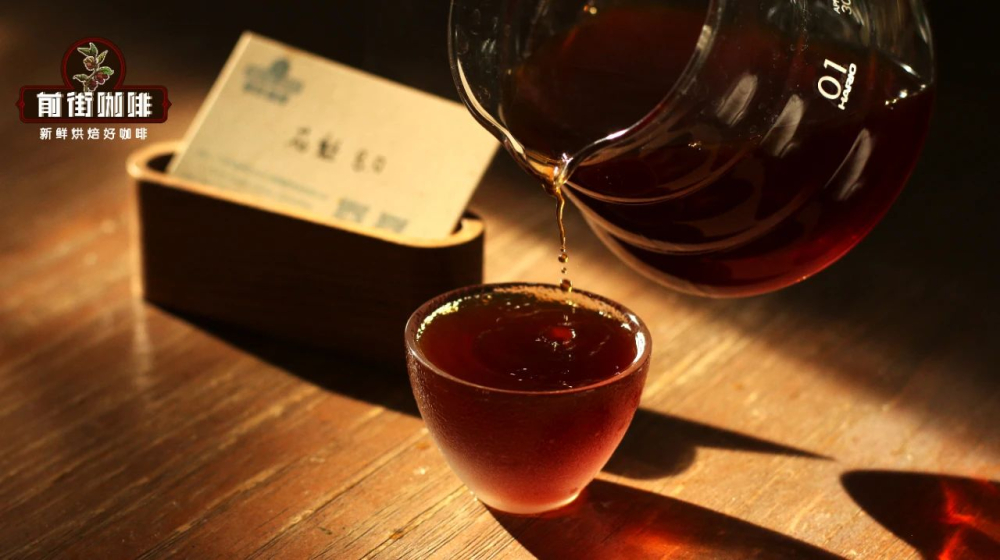
[Cold Pour Over: Balancing Sweetness and Acidity]
This method requires a finer grind (80%–85% passing through a #20 sieve) and a higher coffee-to-water ratio (1:10), along with a 1:6 coffee-to-ice ratio to slow down cooling and dilution. The same V60 filter cone is used,with the water temperature maintained at 91–93°C, and a total of 15 grams of coffee.The pouring is changed to all small streams divided into three pours (30 ml + 70 ml + 50 ml), extending the brew time to about 2 minutes after the bloom. After the ice melts, the coffee achieves a balanced sweet and sour profile, with a distinct juicy mouthfeel. The flavor remains primarily berry and citrus-focused, but the taste is even more refreshing.
[Immersion Method: Rich and Balanced Choice for Beginners]
No complicated techniques are needed, making it ideal for users seeking a stable and consistent cup.The parameters are set to 15 grams of coffee, a 1:15 coffee-to-water ratio, using a fine sugar-like grind size (75%–80% passing through a #20 sieve), with hot water poured directly and left to steep for 8 minutes.You may choose whether or not to stir during the process (this guide recommends the no-stir simplified version). After filtering, the coffee has a fuller body, improved flavor balance, lower bitterness, and a mellow sweet finish—ideal for those who prefer a heavier mouthfeel.
[Cold Brew: Low-Caffeine and Smooth Fruity Wine-Like Experience]
Low-temperature, long-duration extraction delivers a unique fermentation character.A recommended coffee-to-water ratio is 1:10 (can be adjusted to 1:12 if not using ice), with a slightly coarser yet still fine-sugar level grind (80%–85% passing through a #20 sieve). Mix with room-temperature cold water and refrigerate sealed for at least 8 hours.After filtering, it can be refrigerated for additional aging for a few hours. The flavor profile features extremely low bitterness, soft acidity, and pronounced sweetness, often with notes of apricot, citrus, and berries, and a lingering subtle fermented aroma resembling a fruit wine layering.
Each of the four methods has its own charm, from the refreshing pour over to the rich cold brew. Huakui coffee showcases diverse styles across them all. Adjust the parameters based on your personal taste preferences, and easily recreate a professional-grade flavor experience at home.
The above content is compiled by CoffeeHunters, a coffee news website.


