







Introduction:When brewing coffee, the choice of water has a significant impact on flavor. Many people have heard that “pure water is not suitable for brewing coffee,” but few understand the reasons behind it. This article delves into the two major issues with using pure water in coffee extraction: low extraction efficiency and negative effects on coffee machine operation. Through practical test data, we compare the performance of different water types. Readers will learn how to choose the right brewing water based on TDS values, avoid common mistakes, and enhance coffee taste.
When it comes to what kind of water to use for brewing coffee, many have heard the advice “don’t use pure water,” but is there any truth to this claim? In fact, the composition of water does significantly affect the flavor and extraction performance of coffee. There are two main reasons why pure water is often questioned: first, its extremely low mineral content impairs the release of flavor compounds, leading to poor extraction efficiency; second, due to its poor conductivity, it may interfere with the boiler probes in coffee machines, causing abnormal water replenishment or even machine malfunctions. Practical tests show that while there are subtle differences in concentration and flavor between coffee brewed with pure water and low-mineral water (such as mineral water with around 37 ppm TDS), these are generally not easily detected by average consumers. On the other hand, hard water with TDS exceeding 175 ppm is more likely to introduce undesirable off-flavors in coffee and makes extraction and adjustment more complicated. Next, we’ll analyze these issues in detail and offer practical water selection advice.
If you’ve ever discussed coffee extraction with friends or searched online for related information, you’ve probably heard the claim that “pure water is not recommended for brewing coffee.” Recently, a customer at a coffee shop asked, “Is it really true that you can’t use pure water to brew coffee?” This question actually involves quite a bit of scientific theory and practical experience.
The source of water has a major impact on the overall performance of coffee, much like it does with tea. Different water qualities can alter the taste, aroma, and complexity of coffee. As for why pure water is often considered unsuitable for coffee extraction, the reasons can be summarized into two main factors.
Reason one: Low extraction efficiency
Although water may appear to the naked eye as a colorless, tasteless, transparent liquid, it actually contains various dissolved minerals. When present in appropriate amounts, these minerals can help flavor compounds in coffee—especially acidic ones—dissolve more efficiently. For example, calcium and magnesium ions in water carry a positive charge and can attract negatively charged acidic compounds in coffee (such as chlorogenic acid and citric acid), promoting their faster dissolution in water.
However, pure water has an extremely low mineral content, with TDS (total dissolved solids) being nearly 0 ppm. This makes it ineffective at extracting flavor compounds during coffee brewing. Under the same brewing conditions, coffee brewed with pure water typically has slightly lower concentration and extraction yield, resulting in a thinner flavor profile.
For example, in a practical test using Ethiopian Yirgacheffe beans from a certain coffee shop, we compared extraction using pure water and mineral water with 37 ppm TDS. All brewing parameters were kept consistent: 15 grams of coffee grounds, Ek43 grinder set to 10, water temperature at 92°C, a 1:15 coffee-to-water ratio, and a 2-minute extraction time.
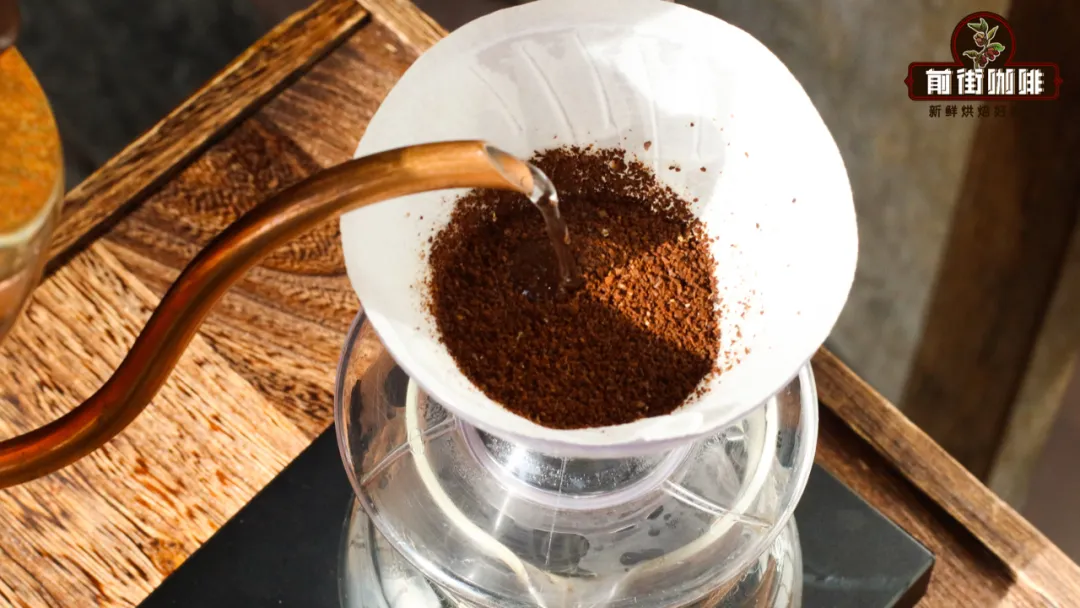
Both cups exhibited flavors such as strawberry, citrus, guava, and floral notes. However, the cup brewed with pure water showed slightly weaker aroma and taste intensity. The actual measured extraction rate confirmed this: the Yirgacheffe brewed with mineral water had an extraction rate of 19.34%, while the one brewed with pure water was 19.01%. Multiple comparative experiments consistently showed that pure water extracts slightly fewer coffee compounds, resulting in a less rich taste compared to mineral water.
That said, without a direct comparison, most people would find it difficult to notice this difference. More importantly, by appropriately adjusting brewing parameters, even pure water can achieve satisfactory extraction results and a pleasing coffee profile. After all, pure water isn’t completely incapable of dissolving flavors—it’s just less efficient.
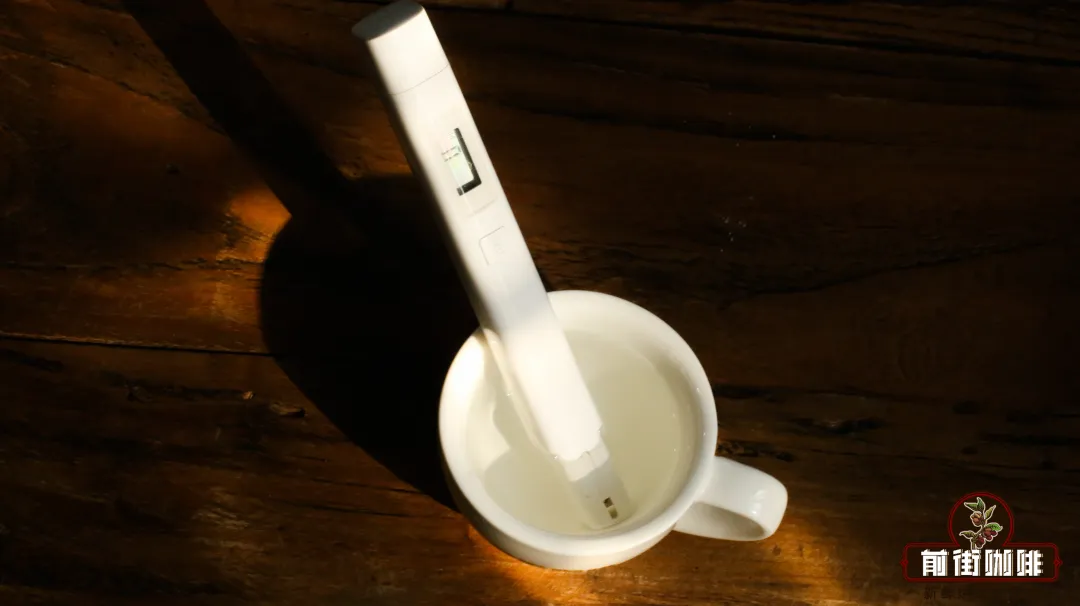
In contrast, hard water with TDS exceeding 175 ppm is a more pressing concern. Not only does this type of water have poorer extraction efficiency, but it also tends to bring out undesirable off-flavors, especially in tap water from cities that lacks adequate treatment. Even if adjustments are made to achieve an acceptable extraction rate, the taste may still be affected, and the adjustment process can be quite tedious. Therefore, for everyday brewing, it’s recommended to opt for water with a TDS of around 175 ppm to achieve a better balance.
Reason two: Undetectable by probes
Beyond extraction efficiency, another more critical reason pure water is unsuitable for coffee machines is its very low conductivity. Many professionals and users advise against using pure water, mainly due to concerns about its impact on the machine.
Since pure water contains almost no minerals, its conductivity is extremely poor. This interferes with the metal probes in coffee machines used to detect boiler water levels. These probes rely on water’s conductivity to judge water level. When there aren’t enough conductive particles in the water, the system can misjudge the level, leading to abnormal water replenishment or even boiler failure.
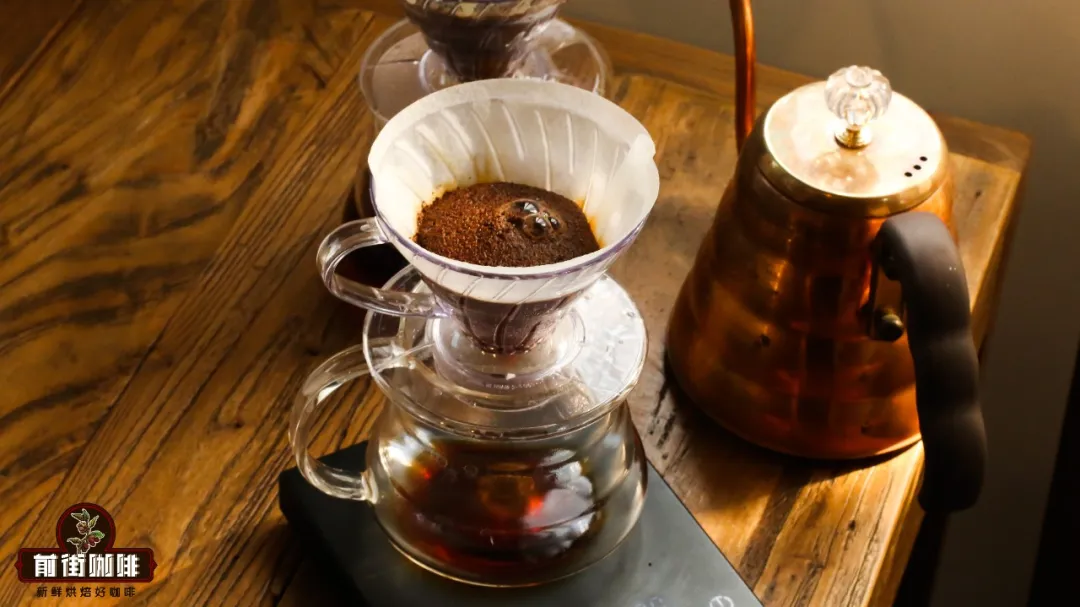
Combined with the previously mentioned issue of extraction efficiency, pure water poses dual risks when used in coffee machines: it not only affects coffee extraction performance but may also damage the machine. Therefore, if you’re using an electric coffee machine, it’s advisable to avoid using pure water. However, if you’re only brewing via pour over, the impact of pure water is relatively minor and it can still be used as an alternative—just be aware of its slight limitations in extraction.
The above content is compiled by CoffeeHunters, a coffee news website.


