







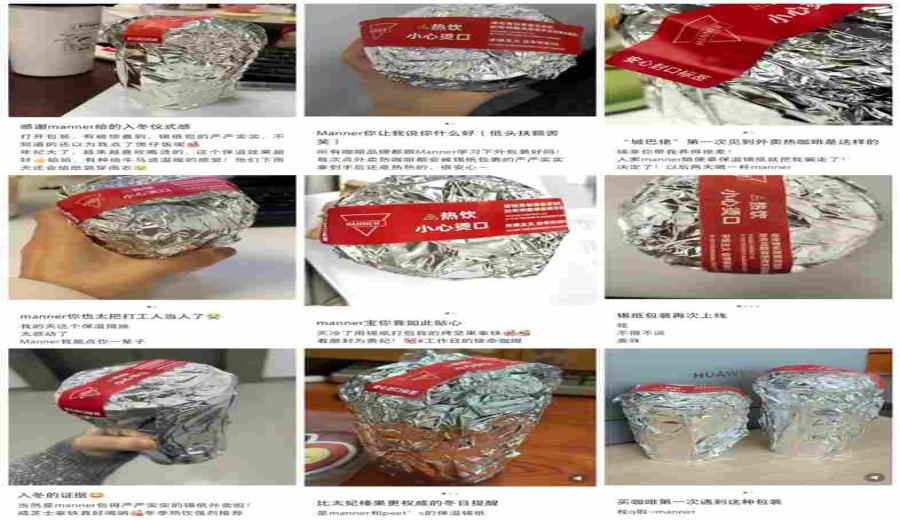
Introduction:As winter temperatures plummet, Manner Coffee has once again implemented the use of aluminum foil wrapping for insulated delivery of hot beverages, sparking widespread discussion among consumers. This service, praised for its thoughtful details, effectively maintains beverage temperature but also places operational pressure on store staff. This article delves into the actual effectiveness and historical background of aluminum foil packaging, explores its dual impact on customers and employees, and provides references to more efficient insulation solutions.
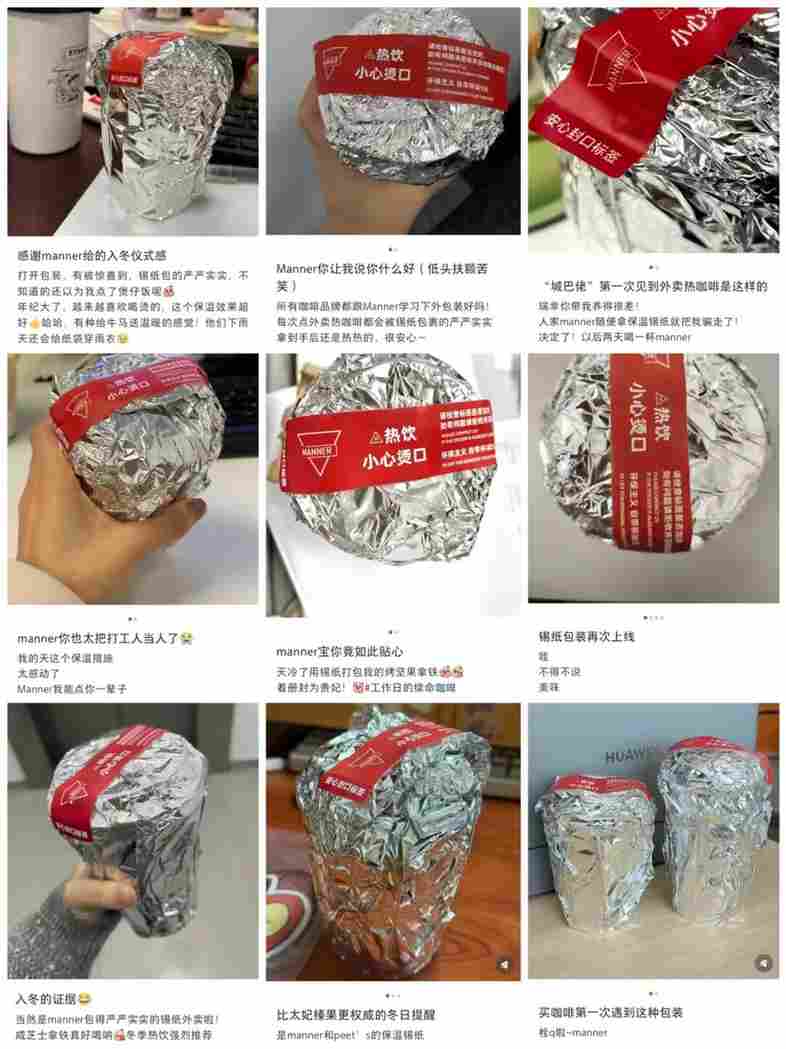
When the bone-chilling winds of winter arrive, many office workers rely on delivered coffee to boost their energy, only to often find their drinks have gone cold by the time they arrive. To address this pain point, Manner Coffee has recently reintroduced aluminum foil insulation packaging, adding an extra layer of thermal protection to hot drinks. This move quickly gained traction on social media platforms, with consumers sharing photos of tightly wrapped beverages covered in foil, emphasizing its noticeably effective insulation.
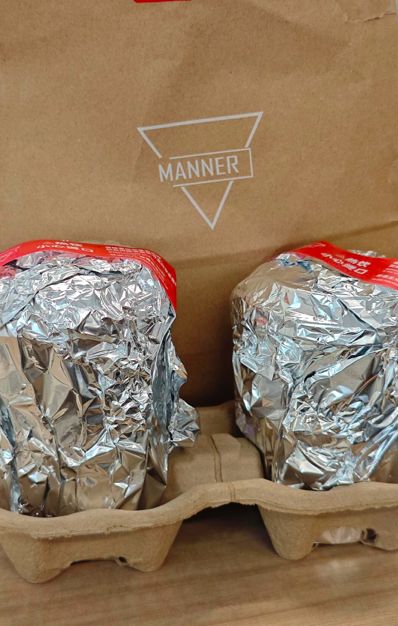
According to customer testing feedback, aluminum foil packaging can help maintain hot beverages at temperatures above approximately 60°C for about 30 minutes, extending the ideal drinking window by roughly 10–15 minutes compared to unwrapped drinks. In practice, staff wrap the white paper cups in two to three layers of aluminum foil in a spiral pattern, paying special attention to sealing the rim and base securely, and attach warning stickers that read “Caution: Hot Beverage.” Though the appearance is simple, this design effectively reduces heat loss.
Notably, this is not the first time Manner has adopted this approach. Dating back to the winter of 2022, the brand began trialing aluminum foil wrapping in colder regions before gradually expanding it to stores nationwide. Regular customers familiar with the practice have come to anticipate colder weather based on packaging changes, playfully referring to it as the brand’s “seasonal code.” However, behind this popular measure lie real operational challenges for stores.
From the perspective of frontline staff, aluminum foil packaging significantly increases workload. In practice, wrapping a single cup takes about 20–30 seconds, and the cumulative effect during peak hours is substantial — with an average of 300 delivery orders per day, the wrapping process alone can consume over 1.5 additional hours of labor. During special circumstances such as rainy days or collaboration events, staff must also handle rainproof bags, collaboration merchandise, and other complex packaging, further amplifying work pressure. Many employees admit: “Handling peak hours along with the aluminum foil task feels like entering ‘hell mode.’”
To address this, some stores have adopted emergency strategies such as pre-folding aluminum foil and adjusting staff schedules to ease peak-hour strain. But the fundamental issue remains: how to ensure a positive customer experience while optimizing the staff workflow? Industry experts suggest considering the use of double-layer insulated cup sleeves or dedicated thermal bags, which offer comparable insulation performance (with tested temperature maintenance differing by within ±2°C) and can reduce packaging time by approximately 40%.
Overall, Manner’s aluminum foil insulation solution does create a differentiated service experience, but its sustainability requires balancing the needs of multiple stakeholders. While consumers enjoy their warm drinks, they might also moderately understand the challenges of winter operations; brands, in turn, can further develop efficiency tools or offer flexible packaging options. After all, truly thoughtful service should take into account the experiences of both the drinker and the maker.
The above content is compiled by CoffeeHunters, a coffee news website.


