







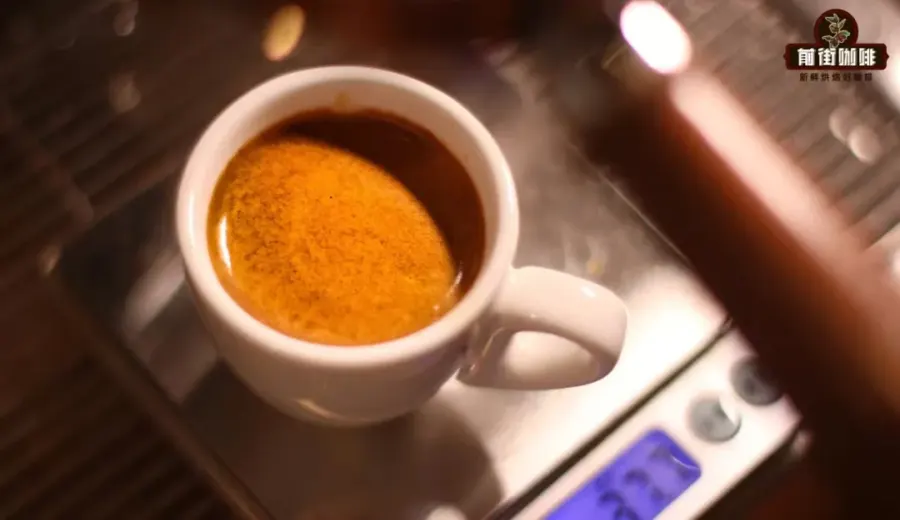
Introduction:When ordering at a coffee shop, it’s common to see “18g of coffee grounds extracted into 36ml of espresso.” But is that one shot or two? This question involves the ratio of coffee to water in espresso, the evolving definition of a “shot,” and changes in industry standards. This article will delve into the true meaning of a shot—from standard coffee dosages, extraction parameters, to real-world applications—to help you accurately understand the difference between single and double shots, so you’ll never be confused when ordering or serving.
Have you ever been puzzled when ordering at a coffee shop by the fact that “18g of coffee grounds are used to extract 36ml of espresso”? Is that considered one shot or two? This seemingly simple question actually touches on the evolution of measurement standards in the coffee industry. In the past, a single shot typically referred to using 7–9g of coffee grounds to extract 30–36ml of espresso, whereas today the norm is 18g of coffee grounds for 36ml. So, should we judge by the amount of coffee grounds or the volume of the liquid? Let’s start with the origin of the term “shot” to clarify the correct definitions of single and double shots.
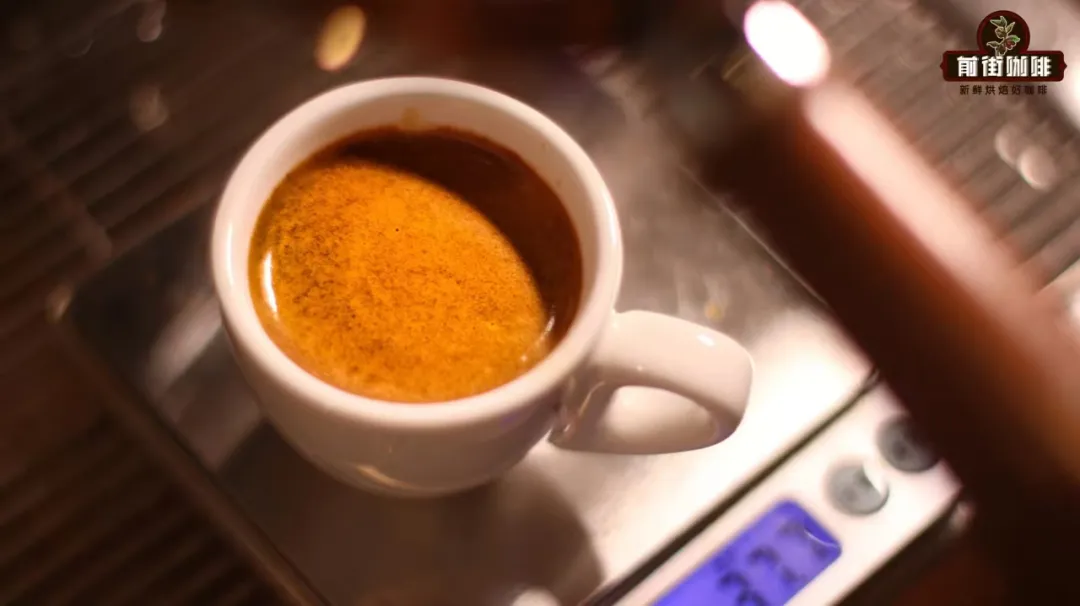
In fact, the word “shot” originally comes from alcohol culture, where it usually refers to one ounce of liquor, about 30ml. Influenced by alcohol culture, this term was also introduced into the coffee world as a unit of measurement for espresso. In the early days of the coffee industry, a single shot referred to using a single-shot basket with 7–9g of coffee grounds to extract 30–36ml of espresso; a double shot used a double-shot basket with 14–18g of coffee grounds to extract 60–72ml of espresso. This was the mainstream method of espresso extraction in the past and also the prototype of the definition of a shot.
However, with advancements in espresso machine technology, modern machines can provide higher extraction pressure, and consumers have begun to pursue richer flavors and aromas. To meet these demands, espresso extraction methods have also been adjusted, with the most notable change being the coffee-to-water ratio. The previously mainstream ratio of 1:4 has now generally been replaced by 1:2, with coffee dosages starting at 18g—that is, extracting 36ml of coffee liquid from 18g of coffee grounds. This is the current standard practice in coffee shops both domestically and internationally.

Espresso extracted using 18g of coffee and a 1:2 ratio shows a significant increase in concentration, with a richer flavor and more intense aroma. For example, using a classic Italian blend, with 18g of coffee, a 1:2 ratio, and a 30-second extraction time, the resulting espresso can reach a concentration of up to 14%. As a base, this kind of espresso—whether used for black coffee or milk-based coffee—can showcase rich notes of chocolate, nuts, and cream. Especially in milk-based coffee, even when a large amount of milk is added, the layered flavors of the coffee remain distinct, with a smooth and full-bodied mouthfeel.
So, back to the original question: if you use 18g of coffee to extract 36ml of espresso, is that one or two shots? The key lies in what the term “shot” is measuring. In the past, a single shot was defined as 7–9g of coffee grounds yielding 30–36ml, while a double shot was 14–18g of coffee grounds yielding 60–72ml. But now, although the liquid volume is only 36ml, the coffee dosage used is that of a previous double shot—18g. This discrepancy has left many consumers confused.
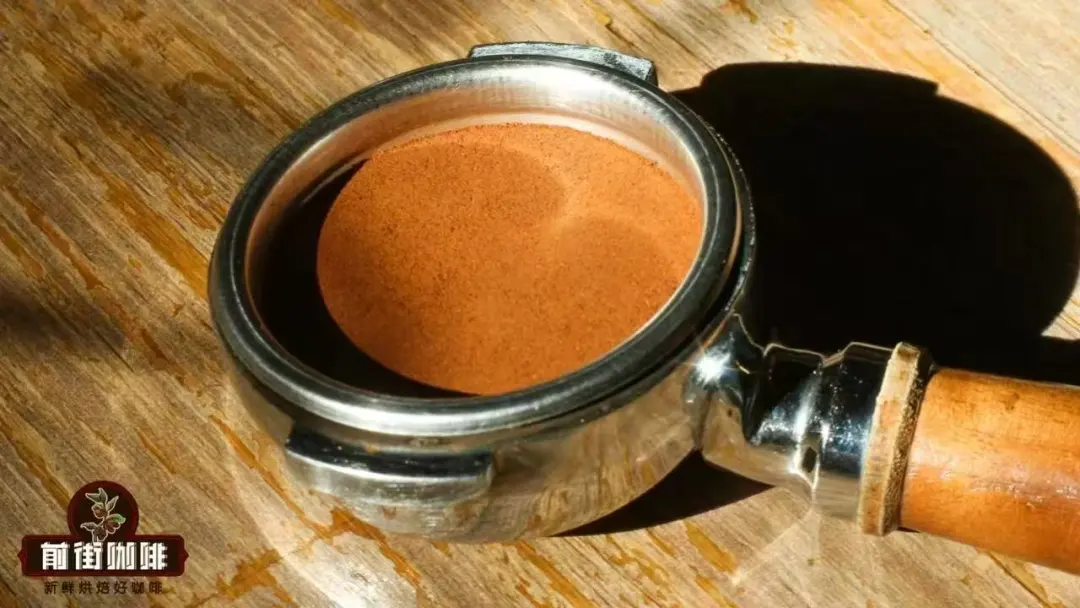
The answer is actually quite clear: it should count as two shots. Although the term “shot” originates from alcohol culture, where it measures liquid volume, in coffee culture, the focus of a shot is on the amount of coffee grounds, not the final volume of coffee liquid. Because the liquid volume can vary depending on different extraction methods (e.g., short or long extractions) or purposes, using liquid volume as the metric could easily lead to inconsistencies. Therefore, in the coffee industry, the measurement of a shot is primarily based on the amount of coffee grounds, regardless of how much liquid is ultimately extracted.
To avoid misunderstandings, many professional coffee shops clearly indicate the number of shots on their menus, such as “1 shot” or “2 shots.” This not only helps customers understand exactly what they’re ordering but also ensures consistency and quality in the final product. When you’re ordering or serving, simply pay attention to the correlation between the coffee dosage and the number of shots, and you’ll easily distinguish between single and double shots.
The above content is compiled by CoffeeHunters, a coffee news website.


