








Introduction:Anaerobic-processed coffee has become a new favorite in the specialty coffee market in recent years. Many consumers are curious about its unique flavors when tasting it but have only a limited understanding of the processing techniques behind it. This article provides an in-depth analysis of the entire anaerobic processing workflow, compares it with traditional natural and washed methods, and explores how fermentation conditions influence flavor. Through three representative coffee varieties, it helps you grasp the diverse expressions brought by anaerobic processing and assists you in finding your ideal coffee experience.
Anaerobically processed coffee has gradually emerged in the specialty coffee market in recent years. It not only frequently appears on café menus but also sparks lively discussions among many coffee enthusiasts. However, although many consumers have tasted it, they have limited knowledge of the processing process and principles, and some may even feel hesitant due to its unfamiliarity. In fact, anaerobic processing is not as complicated as it seems. It mainly involves adding an anaerobic fermentation step before the traditional natural or washed process. By controlling the fermentation environment and time, it creates a distinctly different flavor profile.

Many people are skeptical about anaerobic processing, mainly because this method is not a traditional route in coffee processing. Due to the high level of human intervention and a lack of understanding of the processing details, consumers can easily feel distanced from such coffees. But in reality, anaerobic processing simply adds a strictly controlled anaerobic fermentation stage to the original processing workflow. By adjusting oxygen concentration and fermentation conditions, it allows coffee beans to exhibit richer and more unique flavor layers.
To understand anaerobic processing, it’s first necessary to clarify the fundamental purpose of coffee processing. Whether it’s traditional natural, washed, honey, or wet-hulled methods, the original design intent of these techniques was to dry coffee beans to an appropriate moisture level for long-distance transportation and proper storage. However, with the rise of specialty coffee culture, people have gradually discovered that different processing methods also significantly affect the final flavor profile of the coffee, making processing no longer just a functional step but a key factor in shaping flavor.

Among the many factors that influence flavor, the fermentation process plays an extremely important role. Regardless of which processing method is used, coffee beans naturally ferment during processing, and the intensity and control of fermentation directly determine the direction of the coffee’s aroma, acidity, and sweetness. For this reason, the industry began to consider: if fermentation environments could be precisely controlled, could more distinctive coffee flavors be created? The concept of anaerobic processing emerged in this context.
The history of anaerobic processing can be traced back to before 2015. Although that year Sasa won the World Barista Championship with a carbon dioxide–infused coffee, bringing widespread attention to such processing methods, the application of anaerobic fermentation had actually existed for some time. Anaerobic processing refers to fermenting coffee beans in a low-oxygen or oxygen-free sealed environment. Through the action of anaerobic bacteria, sugars in the coffee fruit are broken down into various organic acids and aromatic compounds, thereby imparting a richer layer and unique aroma to the coffee.
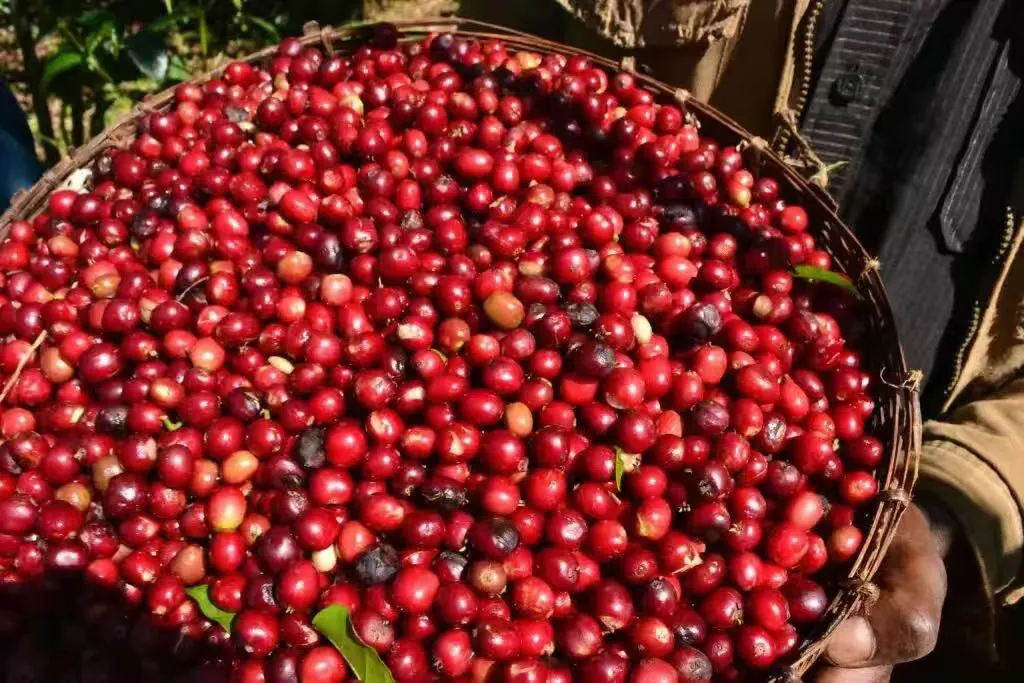
Some industry insiders use pickled sauerkraut as an analogy to explain the principle of anaerobic fermentation: placing Chinese cabbage in a sealed container allows sugars to naturally transform into lactic acid in an oxygen-deprived environment, thus creating a distinctive sour aroma. Anaerobic processing of coffee follows a similar concept but places greater emphasis on precise control. For example, some processors inject carbon dioxide into the fermentation tank to completely eliminate oxygen (i.e., the carbonic maceration method); others pre-soak the beans in hot or cold water at different temperatures before fermentation (thermal shock method); there are even double anaerobic processes involving multiple anaerobic fermentation cycles, all aimed at guiding the direction of fermentation to create more expected flavor characteristics.
After anaerobic fermentation is completed, the coffee beans still need to undergo a drying process. At this stage, traditional natural or washed drying methods are usually employed, placing the fermented coffee fruit or parchment coffee under the sun or on racks to gradually reduce the moisture content to a safe standard. To help consumers identify them, many green coffee suppliers indicate the processing method in the product name, such as “anaerobic natural,” “anaerobic washed,” or “double anaerobic natural,” making their special processing background immediately clear.

However, the actual anaerobic processing workflow is often more complex than it appears. Every aspect, from fermentation time, temperature, pressure to oxygen concentration control, requires careful adjustment to avoid over-fermentation, which can lead to off-flavors or defective notes. It is precisely because of this high-standard control technique that anaerobic processing can impart uniquely distinct flavors compared to traditional methods, making it an excellent choice for many coffee enthusiasts to explore new taste experiences.
It’s worth noting that anaerobically processed coffee does not necessarily equate to heavily fermented or strongly acidic coffee. In fact, each processing facility has its own anaerobic recipe, and the degree of fermentation can be light or heavy, depending on the target flavor profile. If you want to personally experience the diversity of anaerobic processing, the following three coffee beans are recommended entry-level choices: the anaerobic Catuai from Elida Estate in Panama, the Sidra from Finca La Línea in Colombia, and the Eleta Geisha from 90+ Estate in Panama.

Among them, the anaerobic Catuai from Elida Estate in Panama is a relatively lightly fermented anaerobic process. Its flavors are primarily centered around sweet orange, berries, chocolate, and caramel, complemented by soft fermentation aromas. The overall profile is mild and balanced. The Sidra from Finca La Línea in Colombia represents a classic double anaerobic natural. It has a deeper degree of fermentation, featuring a pronounced wine-like body, along with notes of grape, apricot, passionfruit, and vibrant floral aromas. Its flavor layers are rich and highly distinctive.
As for the Eleta Geisha from 90+ Estate in Panama, it is the most unique option among the three introduced here. It has the deepest fermentation level, and its flavor profile leans clearly toward the intense side, featuring concentrated fruit aromas such as longan, pineapple, and dried fruit. It is suitable for coffee lovers who prefer bold flavors. However, due to its overall richness, it is recommended to adjust the powder-to-water ratio or extend the brewing time slightly during preparation, or dilute with water to adjust concentration and find the most suitable taste balance for you.

In summary, anaerobic processing brings a new dimension of flavor to specialty coffee. Starting from controlling the fermentation environment, it creates unique taste profiles that are difficult to achieve with traditional processing methods. Whether you are a newcomer exploring anaerobic coffee or a coffee enthusiast seeking fresh flavors, you can find your own cup of distinctive coffee from these classic examples.
The above content is compiled by CoffeeHunters, a coffee news website.


