







Introduction:When faced with coffee beans processed through various methods such as natural, washed, or anaerobic fermentation, how can you adjust your pour over parameters to bring out their optimal flavors? This article starts from real brewing needs and provides a detailed analysis of the flavor profiles and corresponding brewing logic for the three major processing methods—including recommendations on water temperature, brew ratio, grind size, and extraction time—and especially explains why anaerobic beans are prone to turning out weak and how to improve that. Mastering these techniques allows even beginners to consistently brew specialty coffee with rich layers of flavor.
In the world of specialty coffee, different processing methods create distinctly different flavor directions in coffee beans. But many coffee enthusiasts often face a dilemma: every time they switch beans, they have to readjust their brewing parameters—not only is the memory load heavy, but the cost of trial and error is also high. In fact, as long as you categorize the beans by processing method or roast level, you can apply a set of general strategies to most situations while leaving room for fine-tuning to accurately highlight each bean’s unique characteristics.
The following will focus on the three most common processing methods—natural, washed, and anaerobic—to analyze their differences in flavor expression and provide corresponding adjustments to brewing parameters, including the logic behind setting water temperature, brew ratio, grind coarseness, and extraction time. The parameters in the text are based on medium to light roasted beans, and suggestions for medium to dark roasted beans are also provided to help you more flexibly adjust your brewing approach.
Why is it recommended to adjust parameters by processing method? If you set a separate brewing plan for each individual bean, you not only have to record a large number of variables (such as the impact of different origins, altitudes, roast dates), but the number of beans wasted during the trial-and-error process also increases. A more practical approach is to first differentiate the processing method categories, then match brewing strategies according to roast level. This reduces the amount you need to remember while allowing one set of parameters to cover more beans—as long as they meet the classification criteria, you can apply them directly, greatly improving brewing efficiency.
Next, we will focus on the three processing methods—natural, washed, and anaerobic—to explore how to stimulate their unique flavor advantages through subtle parameter adjustments.
Natural Coffee: Brewing Logic to Highlight Fruitiness and Juice-like Character
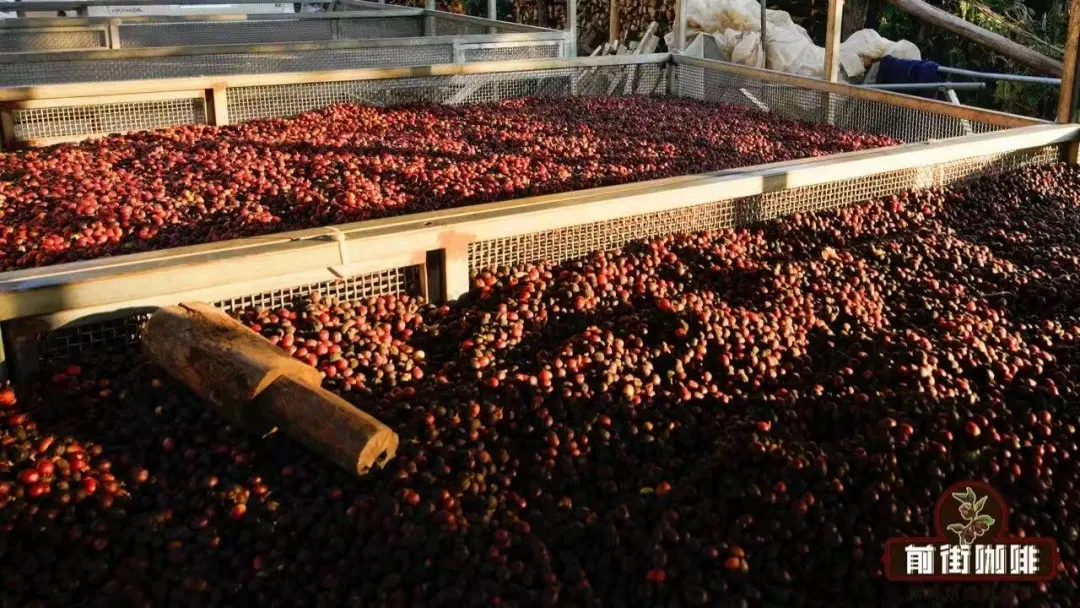
What are the characteristics of naturally processed coffee? Compared to conventional methods like washed or honey processed, natural beans have a richer flavor profile and more expressive fruitiness. This is because during the natural drying process, the coffee fruit undergoes full fermentation, allowing the sugars and aromatic compounds in the pulp to deeply penetrate the seed (i.e., the coffee bean), ultimately presenting complex flavors such as intense tropical fruits, berries, and even wine-like notes.

To brew natural beans well, the key lies inamplifying the fruitiness and maintaining a balance between acidity and sweetness. Practical parameter suggestions: control the water temperature at 92°C, use a sugar-like-fine grind (approximately 75%–80% passing through a 20-mesh sieve, i.e., a medium-coarse to slightly fine grind), and increase the brew ratio to 1:15 (for example, 15 grams of coffee to 225 milliliters of water). The extraction time is recommended to be between 2 minutes and 2 minutes 20 seconds. This combination suppresses the over-extraction of bitter substances while retaining abundant fruity aromas—resulting in a cup that tastes as fresh as freshly squeezed juice, with bright acidity and a full sweet profile.
Taking commonly available medium to light roasted natural beans as an example (such as Ethiopia · Guji Hambela, ALO, Huakui, or Emerald Estate · Diamond Mountain), brewing with these parameters usually yields a coffee that is distinctly flavorful, full-bodied, and rich in juicy character.
Washed Coffee: Key Points for Brewing to Highlight Cleanliness and Floral-Fruity Notes
The flavor direction of washed beans is completely different from that of natural beans. Because they do not undergo deep fermentation, washed processing retains the original terroir characteristics of the coffee variety and origin. The taste is usually cleaner and crisper, with distinct floral or herbal notes, resembling a refined floral-fruit tea overall.
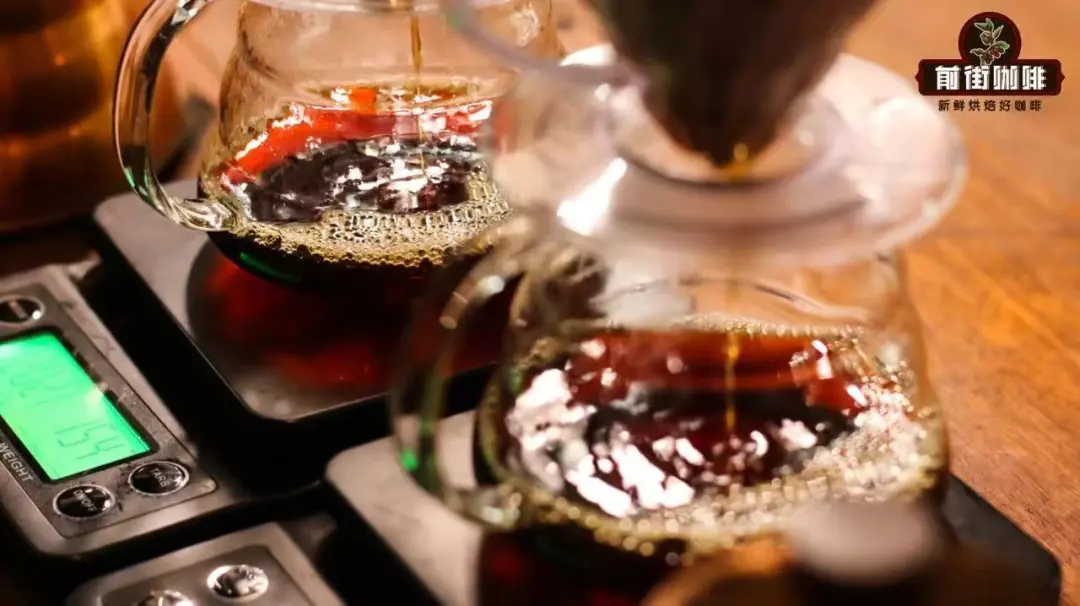
If you want to further enhance the floral characteristics of washed beans (especially those medium to light roasted beans with obvious floral notes), it is recommended toappropriately lower the water temperature and extend the extraction time. The reason is that floral compounds dissolve quickly, and high temperatures can cause the aroma to volatilize too rapidly during the early stage of extraction, reducing the water temperature helps slow this process and allows the aroma to persist longer in the coffee liquid. However, lowering the water temperature reduces the efficiency of flavor compound dissolution, so it's necessary to compensate by extending the extraction time (or tightening the brew ratio).
For floral-forward washed medium to light roasted beans (such as Panama · Boquete Geisha, Emerald Estate · Green Label/Red Label Geisha, or Yirgacheffe · Guji G1), the suggested parameters are: 90°C water temperature, 1:16 brew ratio (slightly thinner, e.g., 15 grams of coffee to 240 milliliters of water), sugar-like-fine grind (75%–80% passing through a 20-mesh sieve), with an extraction duration controlled between 2 minutes and 2 minutes 30 seconds. With these parameters, the coffee’s floral notes become more pronounced, followed by the sweetness of citrus and berries, and the finish leaves a refreshing green-tea-like aftertaste—offering an overall balanced and pleasing profile.
Anaerobic Coffee: Practical Tips to Solve Fast Drawdown and Under-Extraction
Anaerobically processed coffee has highly distinctive flavor profiles—due to undergoing deeper fermentation, these beans often carry more specific and vivid flavor notes (such as fruit jam, tropical fruits, or fermented wine-like aromas), and they generally have higher sweetness. But many beginners brewing anaerobic beans often encounter the issue of “too fast drawdown leading to under-extraction,” resulting in a thin-tasting, bland cup.
The core issue is that anaerobic processing makes the coffee beans’ texture looser, causing water to pass through the coffee bed more quickly. If you directly use regular parameters, the contact time between water and coffee grounds is too short, and the target flavor compounds haven’t had enough time to fully dissolve before being flushed away—making it difficult to present the intended complexity.
To brew anaerobic beans well, the primary goal is toensure sufficient extraction. The practical approach uses base parameters similar to those for natural beans: 92°C water temperature, 1:15 brew ratio, and around 2 minutes of extraction time for 15 grams of coffee. The difference lies ingrinding one notch finer(approximately 80% passing through a 20-mesh sieve, i.e., a slightly finer grind than medium-coarse to slightly fine), to prolong the contact time between water and coffee and promote the release of flavor compounds. If your filter cone has a fast flow rate (e.g., V60), you could also switch to a slower-flow cone (like a Kalita Wave or fan-shaped cone) to further control the extraction pace.
Final reminder: the above parameters are designed for medium to light roasted beans. If brewing medium to dark roasted beans, you’ll need to coarsen the grind by two notches (e.g., from medium-coarse to slightly fine to just medium-coarse) and reduce the water temperature by 3–4°C (for example, 92°C → 88°C) to avoid over-extracting bitter compounds and achieve a cup that is full-bodied and balanced in flavor.
The above content is compiled by CoffeeHunters, a coffee news website.


