








Introduction:From the first arrival of coffee beans in the 18th century to today’s Geisha auctions fetching record-breaking prices, Panama’s rise in the coffee world is no accident. This article takes you from the historic starting point of Boquete, through three core producing regions including Volcán, to explore how volcanic soil and microclimates shape unique flavors. We’ll also delve into how the Best of Panama (BOP) competition has driven the premiumization of Geisha, and finally provide practical pour over parameters and flavor notes for washed Boquete Geisha to help you master the essence of high-end Panamanian coffee.
Although Panama was not the first country in Central America to grow coffee, its unique geographical conditions and refined cultivation management have propelled it to the heart of the global specialty coffee scene. The story begins in 1742, when a ship arriving in Portobelo from Martinique in the French Caribbean quietly listed a barrel of coffee beans on its cargo manifest—this marked the beginning of Panama’s coffee journey. However, serious planting attempts didn’t occur until 1780, when Pedro Antonio de Ayarza tried cultivating coffee locally, though environmental limitations prevented large-scale expansion.
It wasn’t until the 1820s that coffee gradually replaced chocolate as the dominant beverage, competing with Europe’s popular tea culture. Panama’s location offered inherent advantages, situated between two major coffee-producing nations—Costa Rica and Colombia—while also influenced by airflow from both the Caribbean Sea and the Pacific Ocean. Especially in the Boquete Valley, at elevations above 6,500 feet, diverse microclimates, moderate temperatures and humidity, along with fertile volcanic soils, laid the foundation for developing rich aromatic profiles in coffee cherries.
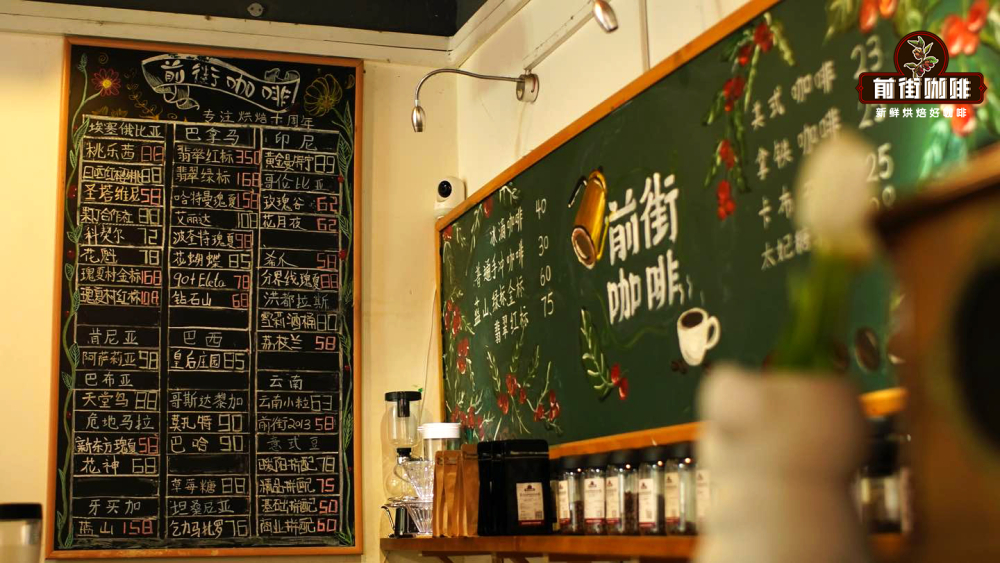
In the late 20th century, the construction of the Panama Canal attracted many American elites to relocate southward. These individuals brought capital and modern management concepts, becoming key forces behind the coffee industry’s upgrade. For instance, the owner of one renowned estate was formerly a banker, while another estate founder had an engineering background. They introduced refined practices into cultivation and post-harvest processing—from altitude-based grading and hand-picking to strictly controlled processing procedures—crafting Panama coffee’s high-quality image. Today, on the bean menu of certain coffee shops, Panamanian beans occupy prominent positions, ranging from affordable single origins to high-end options priced in the hundreds, reflecting its diverse market positioning.
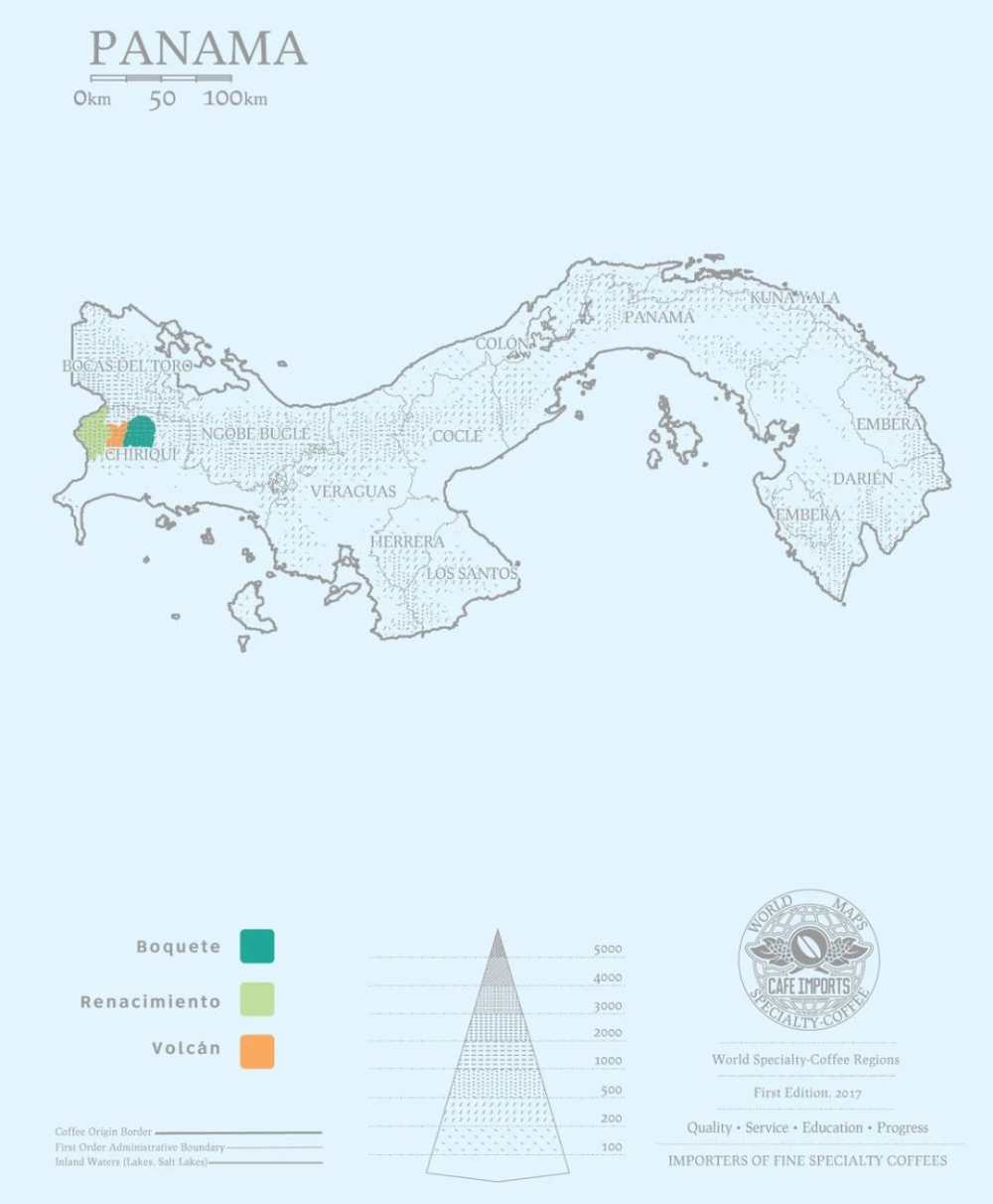
Panama’s coffee cultivation is concentrated in the western Chiriquí Province, with its three main regions—Boquete, Volcán, and Renacimiento—all located along the Central American Ridge near the Barú Volcano. Among them, Boquete is regarded as the cradle of the industry. Attracting European immigrants (such as those from Switzerland, Germany, and Sweden) in the late 19th century, the area was prized for its outstanding potential for coffee growing. Currently, the region hosts about 50 to 75 coffee farms and 15 processing facilities, covering a land area of 514 square kilometers with a population of around 15,000. Besides coffee, key crops also include flowers, citrus fruits, and vegetables.
Boquete enjoys a cool climate, with elevations averaging around 1,600 meters. The volcanic soil is nutrient-rich, and the frequent summer fog and light drizzle slow down the ripening of coffee cherries, resulting in distinct flavors with medium to high acidity. It’s worth noting that Chiriquí Province has a deep coffee culture, with the majority of the country’s 8,000+ growers owning small farms (under 30 hectares), and the harvest season concentrated between September and December. During this time, the indigenous Guaymíes community participates in the harvest, known for their skilled techniques and rich experience. Their labor comes at relatively higher costs, and the traditional baskets they use along with their colorful bead-adorned attire have become a cultural highlight of the region.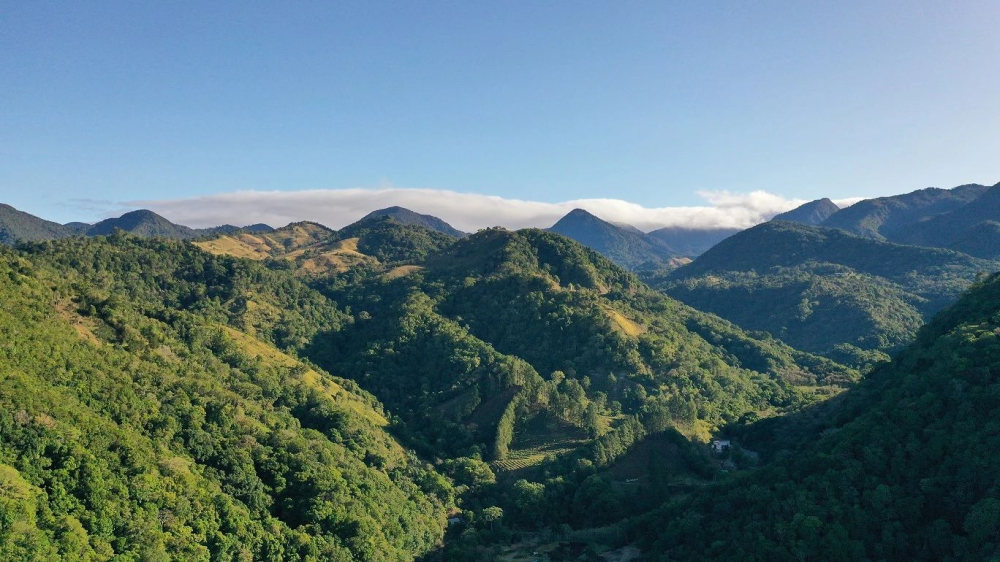
The turning point for Panama’s coffee industry came in 1989, when the collapse of the International Coffee Agreement (ICA) caused green bean prices to plummet—from $1.20 per pound to $0.74. This forced producers to seek new directions. In 1996, seven local estate owners jointly established the Panama Specialty Coffee Association (SCAP), launching the first coffee green bean competition and online auction aimed at collectively promoting premium products. This move not only reversed the industry’s decline but also laid the foundation for Panama’s “small quantities, high quality” approach.
Among these, none has been more influential than the Best of Panama (BOP) competition—the world’s earliest green coffee competition—which employs a grouped evaluation system: entries are divided into Geisha and non-Geisha categories, then further segmented by processing methods such as natural and washed. International judges blindly score the batches, with the highest-scoring lots sold via auction. In recent years, winning lots have fetched bids exceeding $1,000, drawing industry attention.In 2022, the Geisha from Guaguá Estate won first place in the natural category with a score of 95.96, while the washed Geisha from Aurora Estate claimed the title again with a score of 96.15.
When it comes to Panamanian coffee, Geisha is undoubtedly a core offering. This variety, originating from Ethiopia, found its unique potential in Boquete after being introduced in the 1960s due to the region’s special environment. A certain coffee shop’s washed Boquete Geisha showcases classic flavors through traditional processing: first, the coffee cherries are depulped and the mucilage-covered beans undergo 24-hour fermentation, then the fruit mucilage is washed off with clean water, followed by drying or sun-curing until the moisture content reaches 12%, and finally the parchment is removed. This method enhances the coffee’s clarity and brightness, and after roasting, it releases white floral notes, citrus acidity, and a light green tea undertone, with a mouthfeel as soft as Tieguanyin oolong tea.
To fully experience Geisha’s layered complexity, pour over is the ideal brewing method. A certain coffee shop recommends usingmedium-light roasting(adjusted slightly by batch), paired with a V60 filter cone and a grind size similar to fine sugar (sifted through a #20 sieve to 80%), with a brew ratio of 1:15 and water temperature controlled at 91–92°C. The specific steps are as follows: first, pour 30 grams of water for a 30-second bloom, then add 120 grams of water with slightly more flow (reaching about 150 grams cumulative at around 55 seconds), and finally pour 90 grams of water in small circles, totaling 240 grams, with an overall brew time of about 2 minutes and 10 seconds. These parameters balance sweetness and acidity with body, avoiding over-extraction or under-extraction.
The resulting Geisha coffee delivers a bright cup with pronounced citrus, lemon, and bergamot acidity in the forefront, a creamy smoothness in the mid-palate, and a lingering finish of green tea and honey sweetness. The overall profile is layered and long-lasting. Whether you’re new to specialty coffee or a seasoned enthusiast chasing excellence, Panama Boquete Geisha is well worth a try.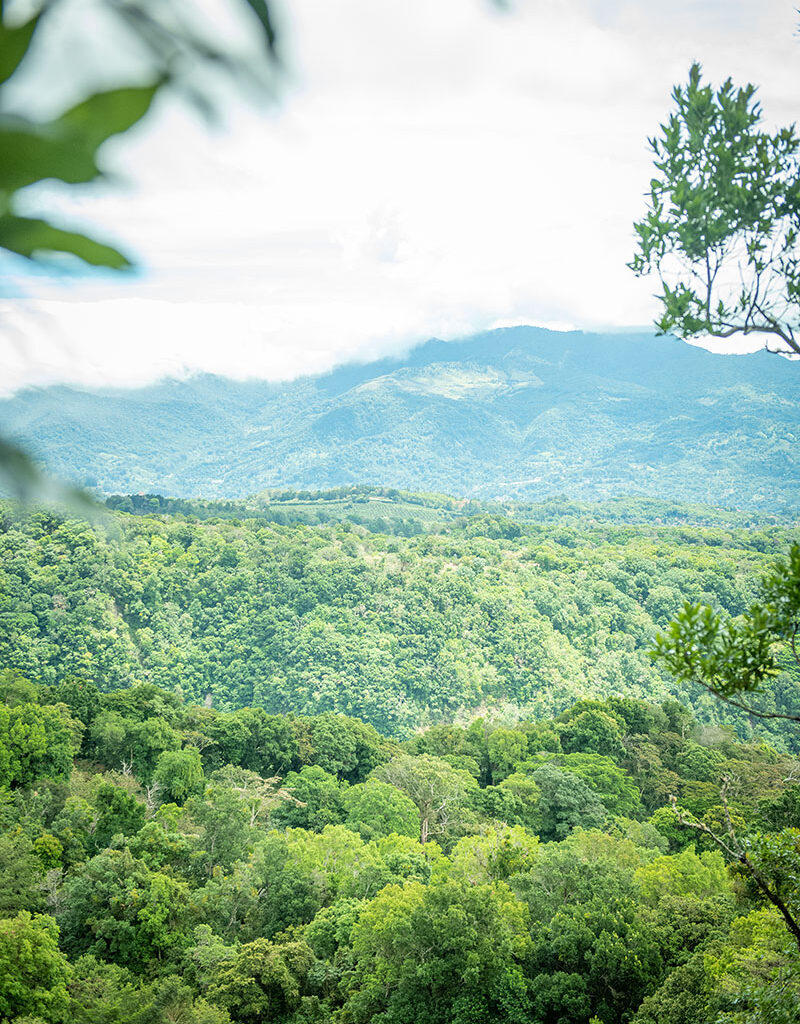
The above content is compiled by CoffeeHunters, a coffee news website.


