







Introduction:Beyond the basic coffee-to-water ratio, water temperature, and pouring technique, the flavor performance of pour over coffee is also influenced by several easily overlooked details. This article draws from practical experience to delve into four key details: whether to pre-wet the filter paper with hot water, how water hardness affects extraction, whether to stir the brewed coffee, and the importance of cleaning your grinder to avoid flavor contamination. Mastering these techniques can help improve the quality and consistency of every pour over brew.
In the process of making pour over coffee, aside from the commonly known factors like coffee-to-water ratio, water temperature control, and pouring method, there are several often-neglected small steps that actually have a significant impact on the final coffee’s flavor, aroma, and mouthfeel. This article will take you through four practical and crucial hands-on details: whether to soak the filter paper in hot water before brewing, how water hardness affects coffee extraction, whether to stir the coffee after it drips, and how to simply clean your grinder before grinding to prevent old coffee grounds from causing flavor mixing. These details may seem minor, but they can subtly alter the cleanliness, complexity, and overall performance of your coffee.
There are many factors that influence the flavor of a cup of coffee. In addition to the extraction parameters and pouring techniques we often adjust, consumables and equipment-related details such as filter paper selection, water quality, and device cleanliness also play an important role in the final presentation of the coffee. Therefore, this time we’ll discuss those easily overlooked yet very important operational details beyond the usual parameters and brewing techniques.
I. Filter Paper: To Pre-Wet or Not? Pay Attention to Odor and Filtration Strength
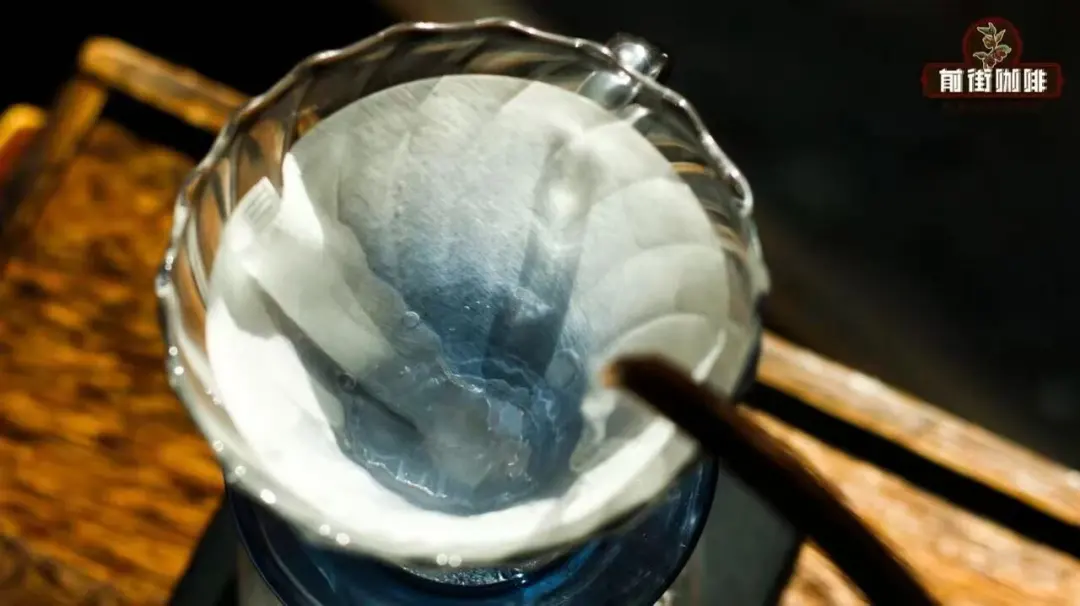
Whether to rinse the filter paper with hot water before brewing is a topic frequently discussed among pour over enthusiasts. First, there are significant differences between filter papers of different brands and materials—just like the difference between “humans and gorillas.” Some filter papers allow water to pass through quickly, while others are slower, which can affect the overall extraction time and efficiency. However, this falls under the category of pouring rhythm and extraction pace, which we won’t delve into here. The focus is on two often-overlooked aspects: the odor of the filter paper itself, and its filtration strength.
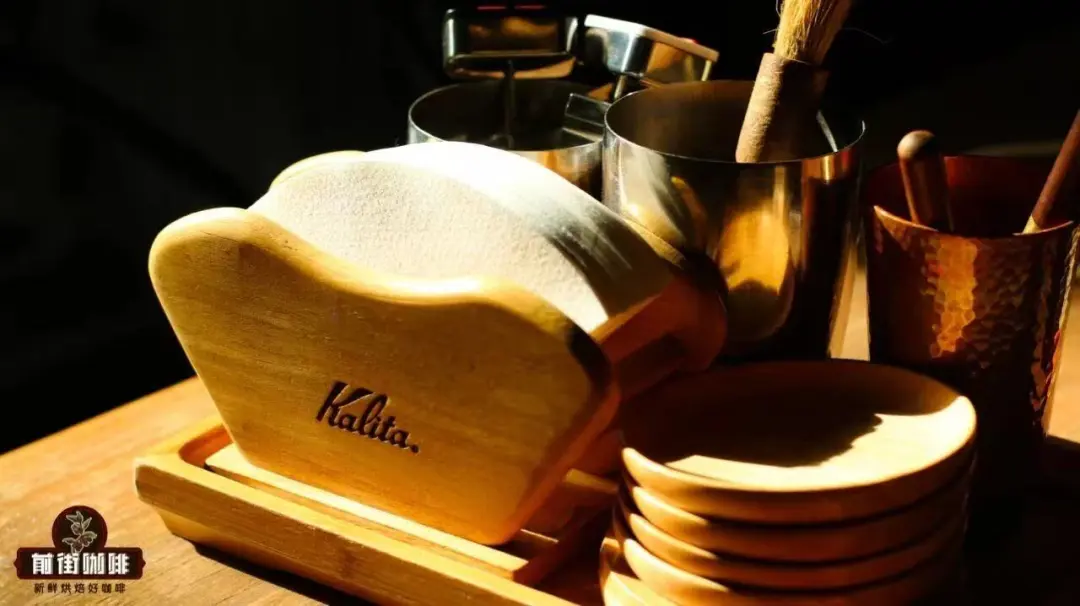
In the past, it was common practice to rinse the filter paper with hot water before brewing because many early filter papers had a noticeable paper pulp taste. If not removed, this taste could directly interfere with the coffee’s aroma. As manufacturing processes have improved, many commercially available filter papers now have almost no off-odors, so some people skip this step. However, not all filter papers are completely odorless, especially those made from special materials or via certain processes, which may still retain a slight paper pulp scent. It’s recommended that you smell or do a simple test with new filter paper—if you detect a clear off-odor, it’s best to rinse it with hot water first to avoid affecting the overall coffee flavor.
Another point worth noting is the filtration strength of the filter paper. Common filter papers generally have strong filtration capabilities—they not only filter out coffee grounds, but also block valuable coffee oils. These oils are important components that contribute to aroma and a rich mouthfeel. If you prefer coffee with a fuller body and more aromatic profile, you might consider using a filter paper with lower filtration strength, such as those made of non-woven fabric. These allow some oils to pass through, thereby enhancing the coffee’s smoothness and aroma expression, though the trade-off is that the coffee may be slightly less “clean” in taste.
II. Water Quality: Hardness and Mineral Content Affect Flavor Performance
Whether you’re brewing pour over coffee, espresso, or Americano, the quality and hardness of the water are one of the key factors influencing the taste of the coffee. The mineral content in water directly affects the dissolution efficiency of flavor compounds in the coffee. Water that is too soft or too hard can hinder extraction, resulting in flat or imbalanced coffee flavors. More importantly, water makes up 98% of the liquid in your cup of coffee, so its impact on mouthfeel is very direct.
Just as we can easily distinguish the taste differences between bottled mineral waters of different brands, the hardness and mineral composition of water will also show up in your coffee. The SCA (Specialty Coffee Association) recommends that water used for brewing coffee should have a TDS (total dissolved solids) value between 75–250 ppm, with an ideal value of 150 ppm. However, based on actual testing, many brews with excellent flavor performance often have TDS values below 100 ppm. Most commercially available bottled mineral waters or water filtered through home water purifiers usually fall within this ideal range—it might be interesting to test the water quality at home yourself.
III. Mixing: Stirring the Brewed Coffee to Improve Mouthfeel Consistency
After brewing, it’s recommended to gently shake the sharing pitcher when pouring the coffee, or use a stirring stick to mix it slightly. This is because during the brewing process, the concentration of coffee dripping at different times is not the same. Typically, the coffee that drips out at the beginning has a higher concentration, and as time goes on, the concentration gradually decreases. Without proper mixing, drinking it directly may result in the first few sips being overly strong or the later sips tasting weak, affecting the overall drinking experience.
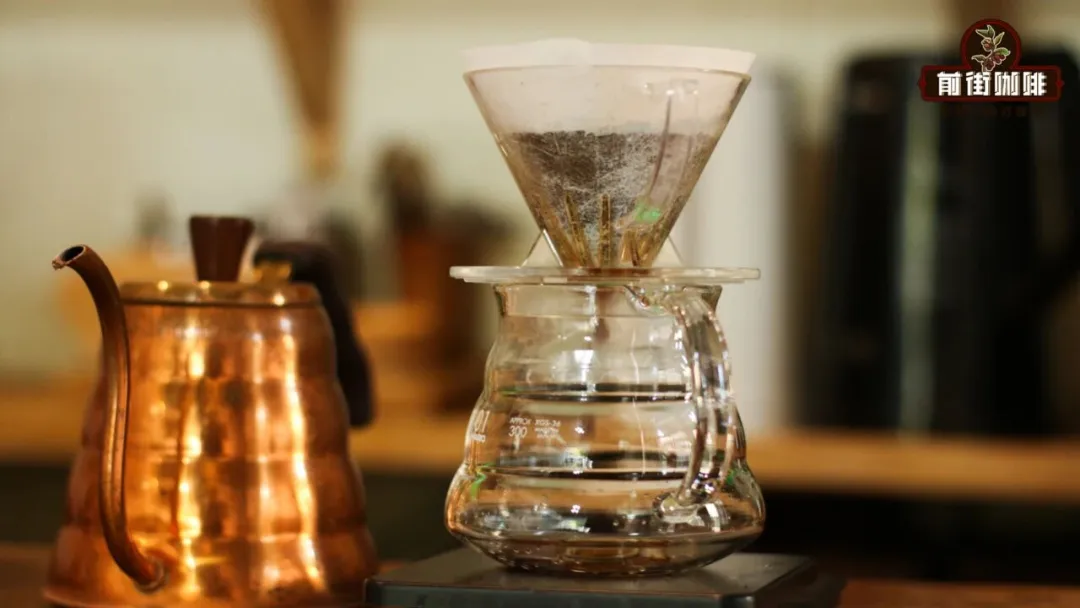
By simply stirring or mixing, you can make the concentration of the entire pitcher of coffee more uniform, ensuring a more balanced taste in every sip and avoiding large disparities between the first and last sips.
IV. Grinder Purging: Pre-Grind a Few Beans to Avoid Flavor Carryover
Before grinding the coffee beans you intend to brew, it’s recommended to grind a few beans first as a form of simple “cleaning” for the grinder. This is because grinders often retain coffee grounds from the previous grind. If those grounds have been exposed to air and oxidized, mixing them with freshly ground coffee can lead to flavor contamination, negatively affecting the current brew.
By pre-grinding a few beans, you can flush out the residual old grounds first, ensuring that the subsequently ground coffee is not contaminated, thus maintaining the pure flavor and aroma of each cup.
These are the four pour over coffee hands-on details shared in this article. If you’ve noticed other noteworthy steps in your daily brewing routine, feel free to leave a comment and join the discussion!
The above content is compiled by CoffeeHunters, a coffee news website.


