







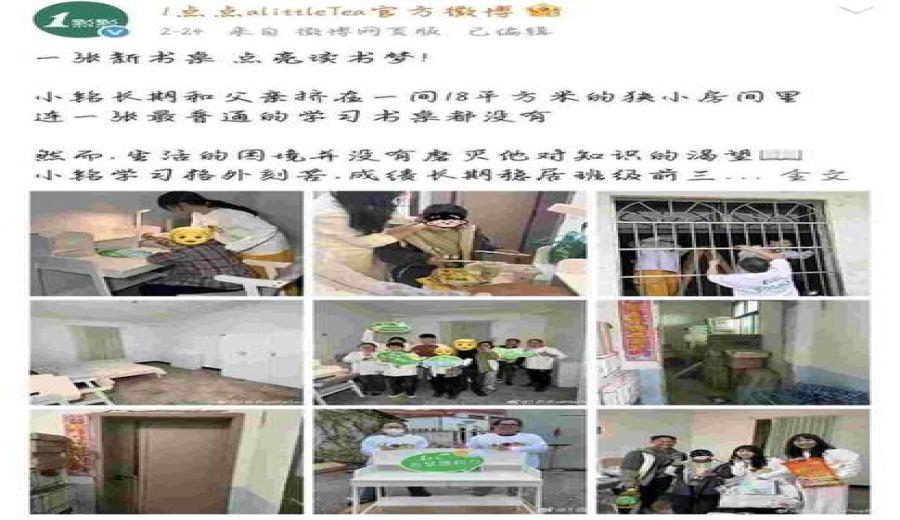
Introduction:A recent charity post by popular bubble tea brand 1 Dot Dot about helping underprivileged children renovate their rooms sparked widespread discussion. Netizens noticed that the boy receiving aid was wearing a smartwatch worth around a thousand yuan, which did not match the difficult living conditions described in the post. Local authorities confirmed that the boy is indeed from a low-income household, but the incident has drawn attention to the selection mechanism and transparency of charity projects. This article takes an in-depth look at the incident and explores how charitable activities can balance the needs of those being helped with public credibility.
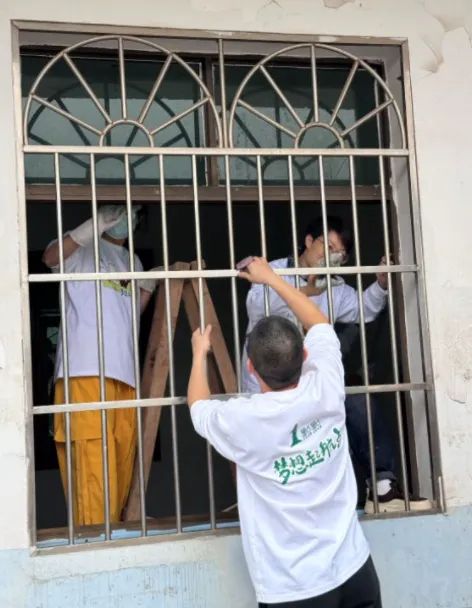
The well-known chain bubble tea brand 1 Dot Dot recently trended on social media due to a charity post focusing on helping a child who lives with his father in a cramped 18-square-meter rental unit. The post covered the renovation of the boy’s room and the provision of furniture such as a desk and wardrobe, aiming to improve the child’s study environment. However, photos published in the post raised doubts among many netizens.
Some sharp-eyed netizens noticed that the boy was wearing a smartwatch with a market value of around a thousand yuan on his left wrist, and the rental environment did not appear as dilapidated as described in the post. This contrasted sharply with the claim of “living in hardship.” Many netizens therefore questioned whether the boy met the eligibility criteria for this charity project.
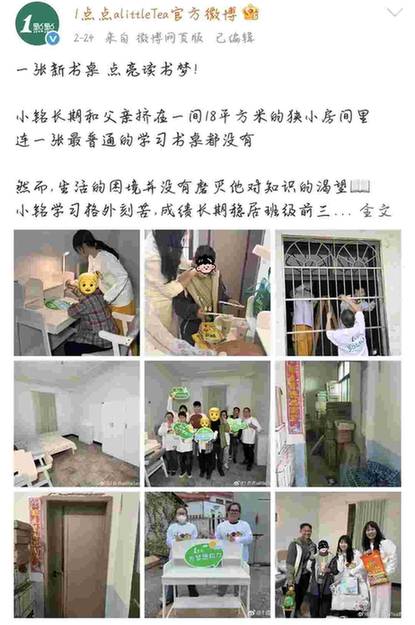
In addition, among the items donated by the brand, comic books made up a significant proportion, while more practical learning aids such as notebooks and stationery were not seen on the desk in the photos. This led to external skepticism about whether the brand's method of assistance deviated from the original intention of “improving the study environment.”
According to the official 2025 Charity Yearbook Report, the recipients of aid were located in cities including Lanxi, Nantong, Fuzhou, Nanjing, Chengdu, and Guangzhou, covering three first-tier and six second-tier cities. This distribution led some netizens to suspect that the brand might have a tendency to “choose nearby” when selecting aid recipients, and they called for the disclosure of specific selection criteria and processes.
As public opinion continued to heat up, 1 Dot Dot quickly deleted the controversial original post on Xiaohongshu and modified some of the content on Weibo. However, it did not directly address several core concerns raised by the public — including whether there was any false assistance or whether the selection criteria for recipients were reasonable.
Amid ongoing public discussion, a media reporter visited the child’s residence to verify the situation and contacted the local subdistrict office and social work station on February 26. Staff from the subdistrict office confirmed to the media that the bubble tea brand only assisted in renovating one room and that all the items in the photos were donated by others. Personnel from the social work station also emphasized that the recipient was indeed a low-income family with both good character and academic performance, and was selected as an aid recipient after relevant evaluations.
This incident highlights a common challenge in charity work: how to help those truly in need while ensuring rigorous screening and transparent information. For brands, disclosing selection criteria, providing detailed background information on recipients, and ensuring that donated items align with the original intent of the charity are all crucial steps in building public trust. For consumers, it is also important to view individual cases in charity activities rationally, and avoid dismissing overall goodwill due to isolated misunderstandings.
The above content is compiled by CoffeeHunters, a coffee news website.


