







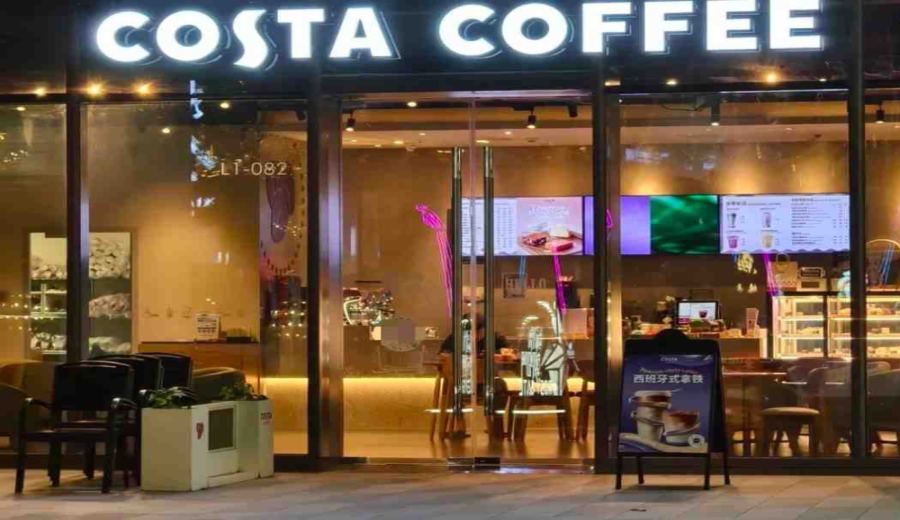
Introduction:Reports have emerged that global beverage giant Coca-Cola is considering selling its UK-based coffee chain Costa for a valuation as low as one-quarter of its original price. It is said that several capital entities, including CDH Investments, are closely monitoring the situation, and may even collaborate with Luckin Coffee to make a bid. The focus of this transaction lies on Costa’s retail operations and its ready-to-drink coffee business. What market trends lie behind this move? Let’s take a deeper look at this major merger and acquisition rumor in the coffee industry.
Once a notable player in the global coffee market, UK-based chain Costa may now face a change of ownership. In 2018, Coca-Cola acquired this brand, which was founded in the same year as Starbucks, for as much as £3.9 billion, hoping to expand its coffee footprint. However, six years later, this investment seems to have fallen short of expected returns, and Coca-Cola is now considering selling Costa for approximately £1 billion—just a quarter of its original value.
Founded in 1971, Costa is often mistakenly believed to have been established in 1978 along with Starbucks, but it actually came earlier. It is one of the largest homegrown coffee chains in the UK, and at its peak, operated in over 30 countries and regions worldwide, with more than 4,000 stores. Especially in its home market, Costa once outperformed Starbucks and secured a leading market share.
In terms of entering the Chinese market, Costa officially launched in 2006. Its initial expansion strategy was aggressive, often choosing locations near Starbucks outlets. At one point, its store opening speed reached 2.5 times that of Starbucks, making it a significant competitor to Starbucks in China. China was also Costa’s most important market outside the UK and one of the few regions globally that were directly operated by its headquarters.
However, in recent years, as domestic brands such as Luckin and Manner rapidly rose through digital operations, precise marketing, and high cost-performance strategies, Costa gradually lost its luster in this competitive landscape. Its brand adjustments were slow, and its digital capabilities were notably insufficient, making it difficult to respond to the ever-changing demands of the Chinese consumer market.
Starting from 2020, Costa began a large-scale reduction of its stores in the Chinese market. By the end of 2024, the number of stores had dwindled to just 389, mostly concentrated in first-tier cities such as Beijing and Shanghai, while gradually exiting second-tier markets like Nanchang and Qingdao. According to the latest data from Zhaomen Canyan, the total number of its nationwide stores has further declined to 334, indicating that its market retreat is still ongoing.
Faced with Costa’s continuous decline in both the Chinese and global markets, Coca-Cola has had to reassess this investment, and rumors have emerged that it intends to sell its coffee retail business. Notably, Coca-Cola does not plan to completely abandon the coffee market, especially in the ready-to-drink coffee segment, where it still has strategic plans.
According to insiders, the potential sale of the Costa brand is valued at around £1 billion, attracting interest from several well-known private equity firms, including CDH Investments, KKR, and Bain Capital. Among them, CDH Investments has been named as a potential lead bidder, and may even join forces with Luckin Coffee, in which it has invested, to participate in the bid, forming a formidable bidding consortium.
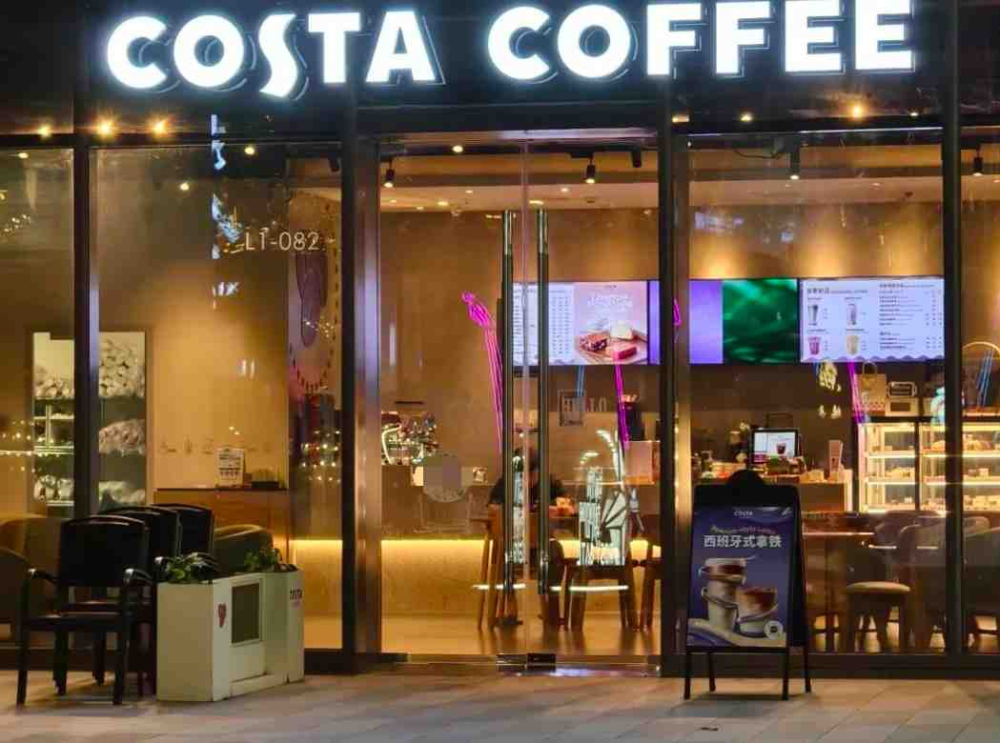
In the ready-to-drink coffee market, although Nestlé has long maintained its position as the market leader, brands like Costa and Starbucks still have a stable consumer base and market penetration. For this reason, Coca-Cola has stated that even if it sells the retail business, it still hopes to retain control over Costa’s ready-to-drink coffee products to maintain its competitiveness in this high-growth segment.
Industry analysts point out that Coca-Cola’s strategic adjustment this time not only reflects the challenges the Costa brand faces in the global market, but also highlights the significant differences in business models and return on investment between ready-to-drink coffee and physical retail operations. Whether Costa can regain its market position under new management, or whether its ready-to-drink product line will become its ultimate core asset, remains to be seen.
As of now, neither Coca-Cola, Costa, CDH Investments, nor Luckin Coffee have officially responded to the market rumors, and the deal remains uncertain. However, this potential acquisition is enough to prompt the outside world to re-examine the competitive landscape and future direction of global coffee brands.
The above content is compiled by CoffeeHunters, a coffee news website.


