







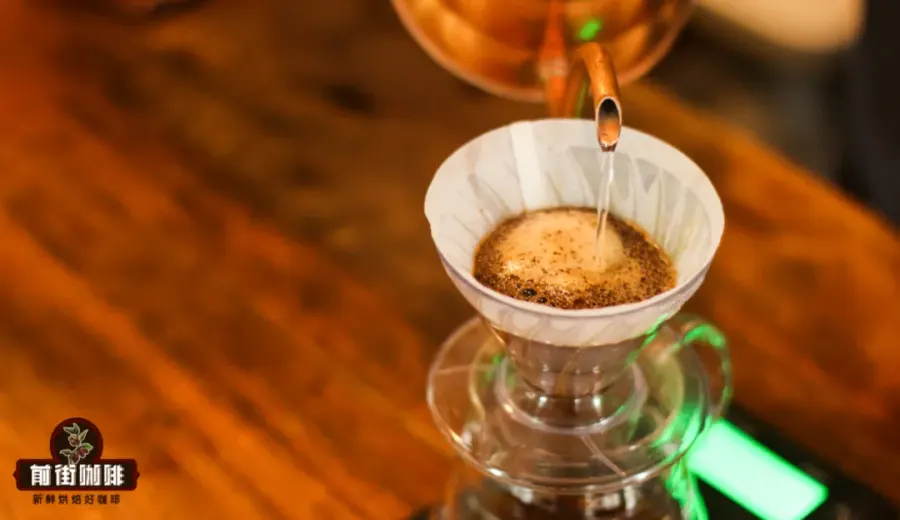
Introduction:Should you pour water clockwise or counterclockwise when brewing pour over coffee? Many coffee enthusiasts have this question. Through a rigorous comparative experiment using the same Hua Kui coffee beans, V60 filter cone, and full brewing parameters — with only the water flow direction changed — this article measures the actual differences in flavor and extraction data. It reveals whether the pouring direction truly affects coffee taste, while also analyzing in depth the five key parameters that actually determine flavor.
The direction of circular pouring during pour over coffee often sparks discussion. Most baristas and enthusiasts are accustomed to pouring in a clockwise circle, but would the coffee taste noticeably different if you switched to counterclockwise? To answer this common question, we conducted a controlled variable experiment: using the same medium-light roasted Hua Kui coffee beans, the same V60 filter cone, consistent water temperature and grind size, while only adjusting the direction of the pouring circle — performing brews both clockwise and counterclockwise. Both brews had an extraction time of 2 minutes and 20 seconds, and in the end, there were almost no significant differences in either concentration readings or flavor profiles.
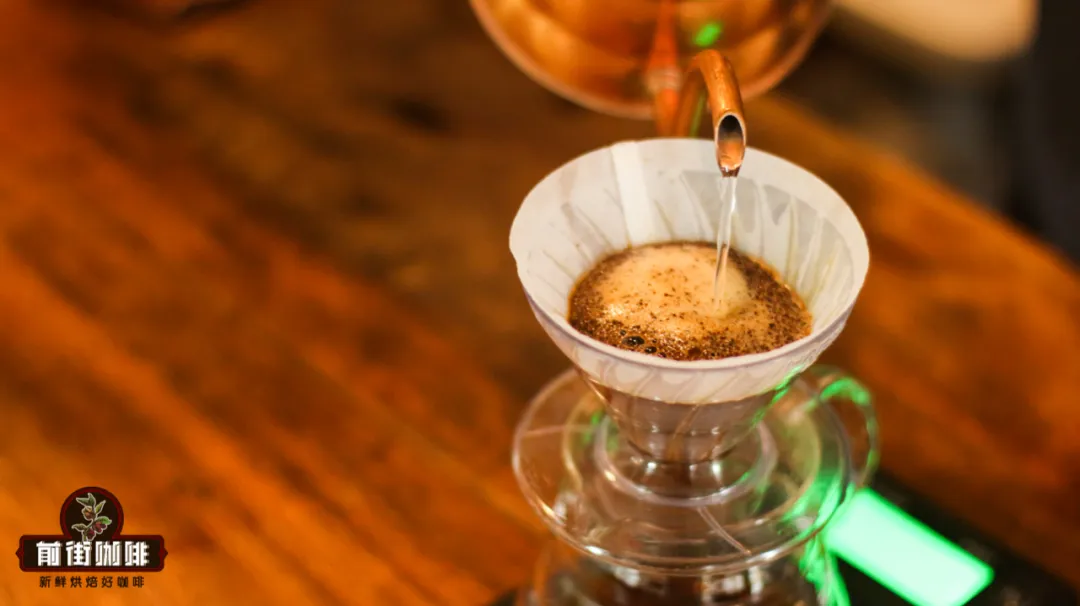
Although it is commonly believed that clockwise pouring aids in more even extraction — especially because the inner wall of the V60 filter cone features clockwise spiral guiding ribs — many think that following the direction of these ribs allows the water flow to converge more smoothly toward the center, thereby improving extraction uniformity. However, others worry that counterclockwise pouring might cause the water flow to counteract with the ribs, leading to more agitation of the coffee grounds and unstable extraction. Are these claims true? The actual test results might surprise you.
This experiment used the popular Hua Kui coffee beans, a medium-light roasted bean from the Ethiopian growing region, known for its bright acidity and multi-layered berry notes, making it very suitable for observing subtle flavor variations. The brewing parameters are as follows: 15 grams of coffee, a 1:15 coffee-to-water ratio, using a #20 mesh sieve with a grind size of about 75%-80% medium-fine, water temperature controlled at 92°C, paired with a V60 filter cone. During the multiple pouring stages, the water flow rate was approximately 4 milliliters per second. First, 30 milliliters (about double the coffee dose) of hot water was poured in for a 30-second bloom. Then, the second pour involved 120 milliliters of hot water, poured from the center outward with moderate flow, either clockwise or counterclockwise in a circular motion. Once the water level dropped to reveal the bottom layer of grounds, the third pour of 75 milliliters of hot water was added in the same manner. The same circular direction was maintained throughout until the end.

The test found that regardless of whether the pouring was clockwise or counterclockwise, the final extraction time for both brews was exactly the same: 2 minutes and 20 seconds. In terms of flavor, both exhibited clear notes of strawberry, berries, citrus, and cream, along with subtle floral aromas. The mouthfeel was round and the aftertaste clean and long-lasting. More surprisingly, the measured extraction yield and concentration values of the two brews were also nearly identical. It is evident that the direction of the pouring circle itself has minimal impact on the outcome of coffee extraction.
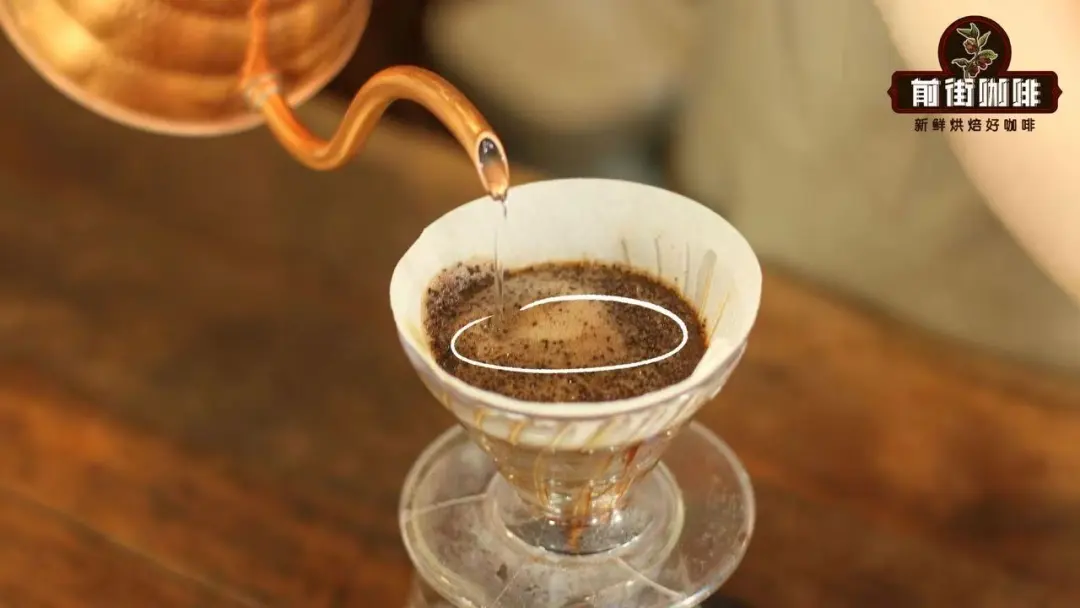
So why do many baristas still prefer clockwise pouring? This is mainly related to the design of the V60 filter cone. The spiral guiding ribs on the inner edge of the V60 usually follow a clockwise direction, which visually tends to lead the brewer to follow that line of movement. Many believe that such a pouring path helps form a stable vortex, directing the water flow toward the center area, thereby enhancing overall extraction uniformity. However, in reality, these ribs are not prominent enough to significantly alter the water flow or extraction efficiency, especially once a stable coffee bed has been established. Therefore, even if you pour counterclockwise, as long as it is well controlled, it will not greatly affect the final flavor.
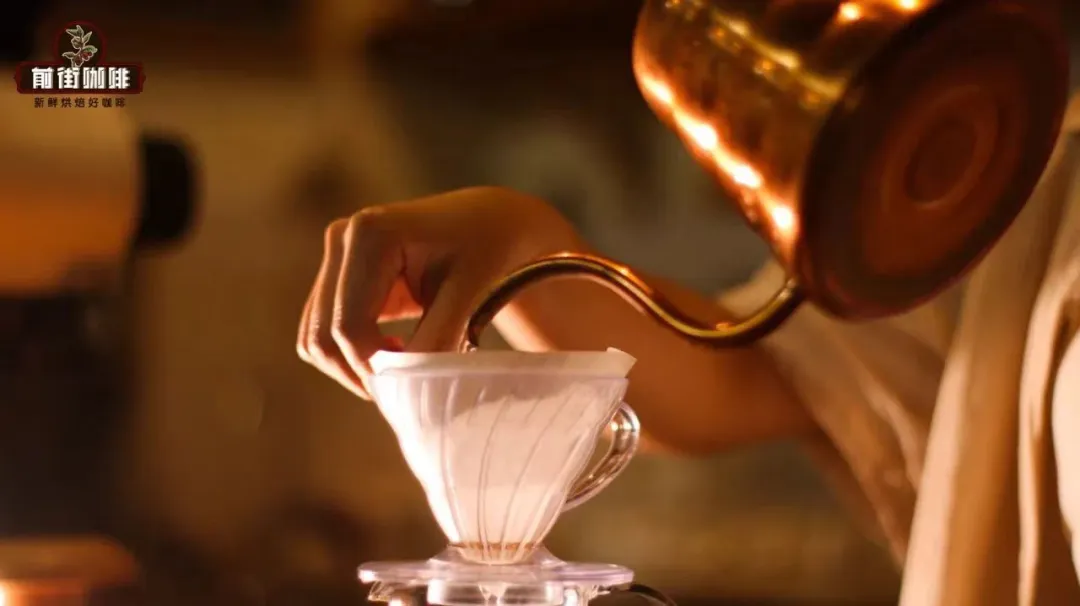
Based on the combined experimental data and practical observations, we conclude that when brewing pour over coffee, the direction of the pouring circle is not a key factor influencing flavor. What truly affects coffee extraction and taste presentation are core parameters such as water temperature, grind size, coffee-to-water ratio, total extraction time, and the intensity of water flow agitation. The pouring direction is more a matter of personal habit. As long as you maintain the same direction throughout a single pour and avoid frequent changes, it will not negatively impact the result.
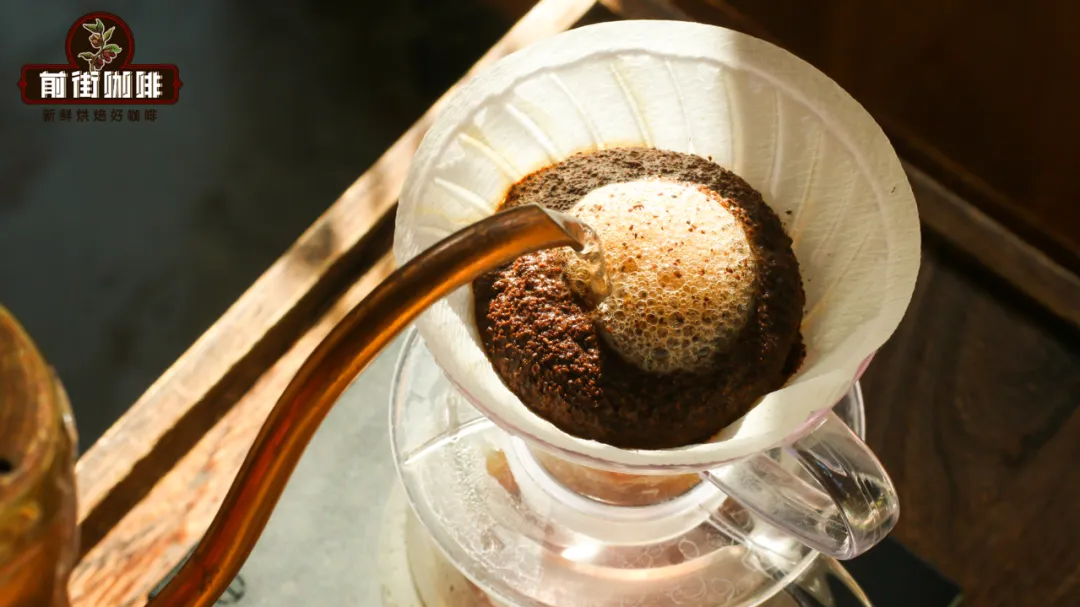
So next time you’re pour over brewing, don’t fret over whether to go clockwise or counterclockwise — finding your most comfortable pouring rhythm is more important. Mastering water temperature, coffee-to-water ratio, and grind size is the real key to enhancing coffee flavor.
The above content is compiled by CoffeeHunters, a coffee news website.


