








Introduction:Have you ever heard a barista describe a cup of coffee as "sweet," yet no matter how hard you try, you just can’t taste it? In fact, the "sweetness" in coffee isn’t just about literal sweetness—it’s more about the overall sweet sensation, which is shaped by aroma, taste contrast, and processing methods. This article will delve into the key factors that influence the expression of sweetness in coffee and share methods for training your palate and capturing that sweet sensation, allowing you to deeply appreciate the layers and flavors of black coffee.
When many people first hear a barista describe a cup of unsweetened black coffee as "sweet," they’re usually puzzled: there’s no sugar added, so where does the sweetness come from? In reality, what professionals mean by "sweet" can be divided into two aspects—one is the inherent sweetness of the coffee itself, and the other is the sweet sensation we perceive when drinking it. Sweetness is mainly influenced by objective factors such as coffee variety, growing conditions, processing method, and roast level, while sweet sensation is a comprehensive feeling formed in the mouth through the interaction of aroma and taste.
It’s worth noting that during the roasting process, the sugar compounds inside coffee beans undergo significant decomposition and transformation. Therefore, the sweetness we ultimately perceive in the cup is often not direct sugar flavor, but an effect "highlighted" through aroma association and taste contrast. Understanding these principles will help you better grasp why some coffees can deliver a distinct sweet experience even without any added sugar.
For example, certain coffee varieties naturally contain a higher proportion of soluble sugars. When these varieties are grown under suitable altitude and soil conditions, they can accumulate more natural sugars, thereby enhancing the coffee’s base level of sweetness. Additionally, processing methods such as natural (sun-dried) and anaerobic fermentation can preserve more sugars and flavor compounds from the fruit pulp, while medium roasting helps balance acidity, sweetness, and bitterness, making the sweetness more pronounced. These factors all directly impact the final expression of sweetness in the coffee.
As for sweet sensation, it’s a more subjective and nuanced experience. It’s not just about "having sweetness," but rather the layers and texture presented through the interplay of sweetness with other aromas and tastes. Some coffees have a rich and varied sweet sensation, evoking flavors like fruits, honey, or even caramel; others may taste monotonous and lack depth, coming across like plain sugared water. The difference often lies in whether the coffee has supporting aromas and flavors that complement its sweetness.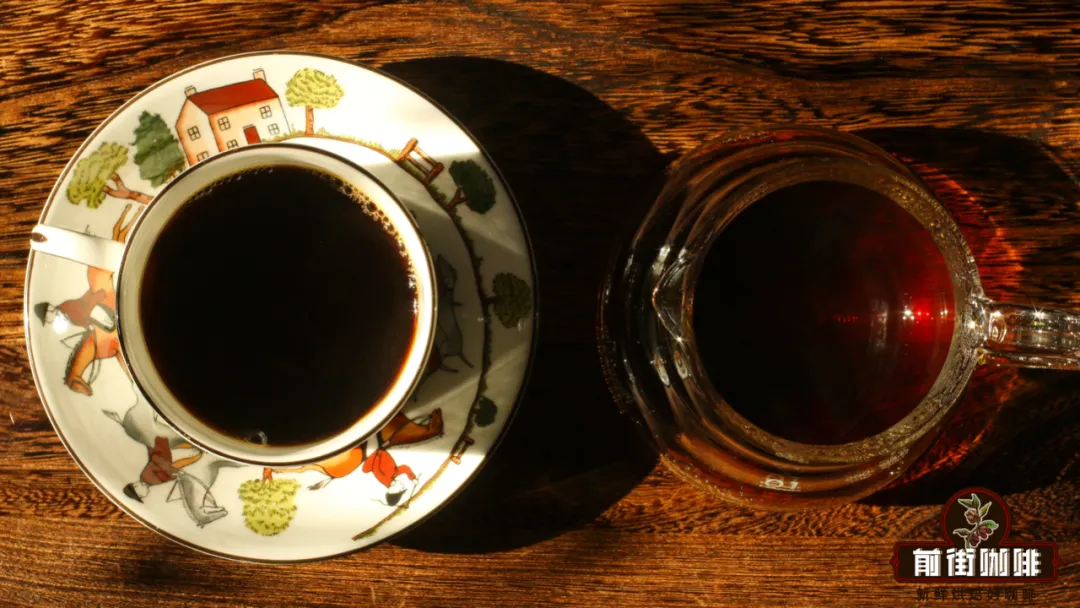
For instance, the previously released Ethiopian · Hamashu exhibits distinct sweet aromas of strawberry and guava, allowing you to perceive a rich fruity sweetness from both smell and taste. Another example, the Frontier Estate · Sidra, showcases a grape and apricot-like fruit sugar profile, with a soft and layered sweet sensation. These aromas not only elevate the expression of sweetness but also make the overall sweet sensation more three-dimensional and memorable.
Besides aroma, the contrast effect of taste also significantly influences our perception of sweetness. The four basic tastes commonly found in coffee—acidic, sweet, bitter, and salty—have varying thresholds of perception, with sweetness having the highest threshold. This means we usually need other tastes as a contrast to more clearly perceive sweetness. For example, when a coffee has both bitterness and sweetness, we often notice the bitterness first, and only after it fades does the sweetness emerge in the mouth, creating what’s known as the "aftertaste" or "lingering sweetness" effect. This phenomenon is particularly noticeable in medium to dark roasts, such as Jamaican Blue Mountain No.1 and Indonesian Golden Mandheling, which often exhibit captivating sweet aftertastes in the finish.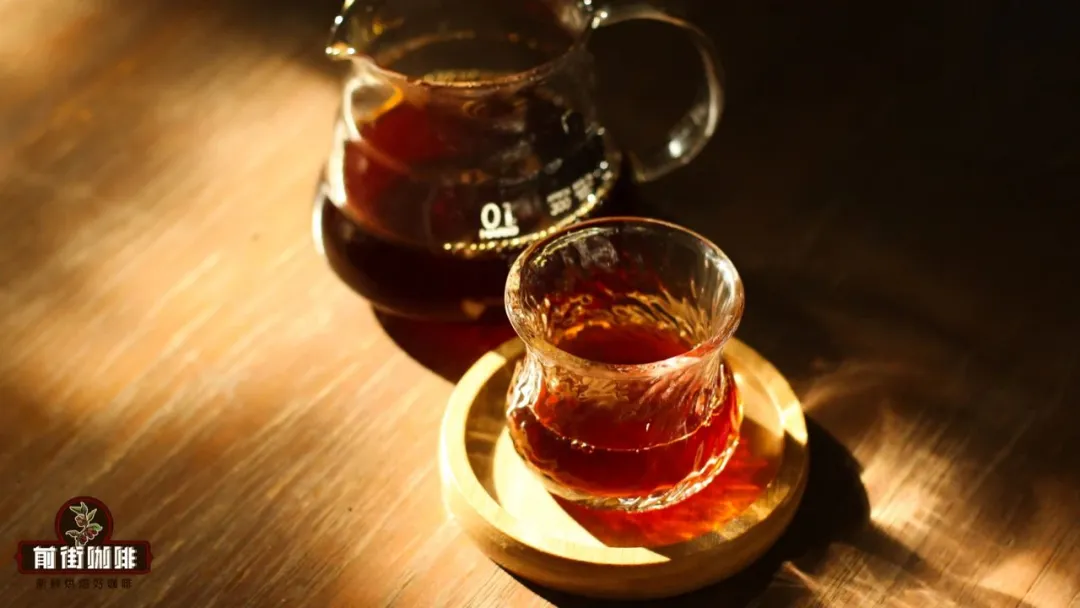
However, if a coffee has only sweetness but lacks support from acidity, bitterness, or other aromas, the overall flavor can easily feel thin, like plain sugared water—sweet, but lacking depth and complexity. Therefore, the sweet sensation in coffee doesn’t just come from sugar; it’s the result of the combined effects of aroma, taste, processing method, and roast level. This is also why many people don’t understand what baristas mean by "sweet," because they’re actually describing a comprehensive sweet sensation experience.
One of the most effective ways to train yourself to capture the sweet sensation in coffee is through continuous tasting and comparison. Try a variety of coffees with different styles, processing methods, and origins—such as the previously recommended Ethiopian · Hamashu, Frontier Estate · Sidra, Jamaican Blue Mountain No.1, and Indonesian Golden Mandheling. These beans generally have higher sweetness levels and distinct sweet sensations, making them ideal for practice. When tasting, pay attention to the changes in aroma, the layers of flavor upon tasting, and the aftertaste after swallowing—these are all key elements that contribute to sweet sensation.
Additionally, you can exchange ideas with other coffee enthusiasts or professionals to learn how they perceive and describe sweet sensation, thereby expanding your own flavor vocabulary and sensitivity. Through consistent practice and accumulated experience, you’ll gradually learn how to discern those subtle yet captivating sweet clues in black coffee.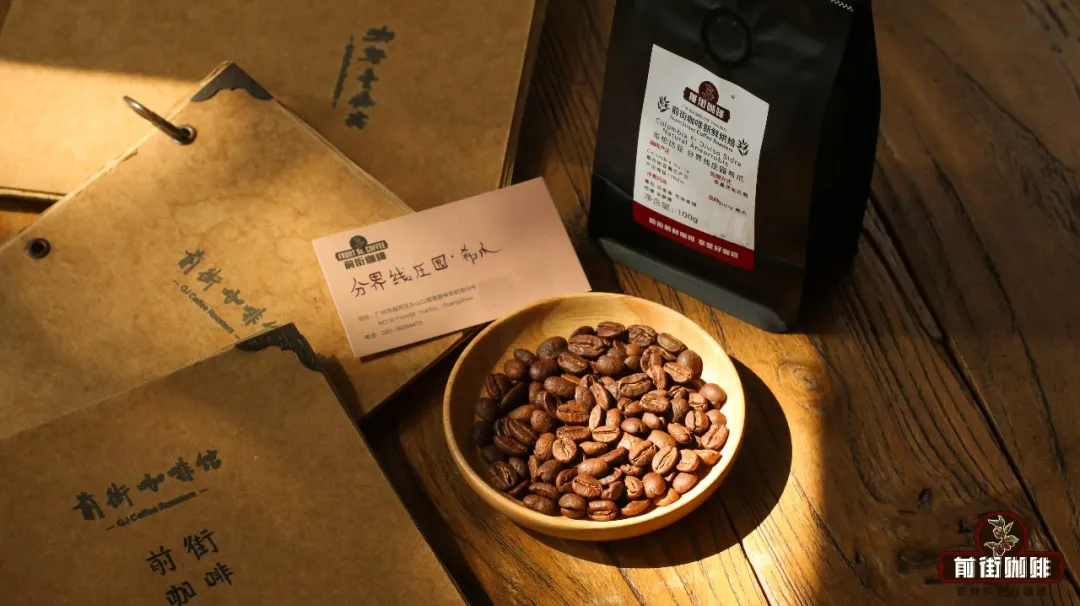
In summary, the sweetness in black coffee is not simply sugar flavor, but a complex experience shaped by sweetness level, aroma, taste contrast, and processing methods. By understanding these principles and training through actual tasting, you too can gradually master the knack of capturing coffee’s sweet sensation and enjoy a deeper journey into coffee flavors. Of course, if you want to quickly experience sweetness, adding sugar is also a straightforward option—though that’s a topic for another time!
The above content is compiled by CoffeeHunters, a coffee news website.


