







Introduction:Sumatra Mandheling is a classic choice for many coffee enthusiasts diving into dark roasts, and among them, Golden Mandheling is especially renowned for its high-standard selection process. But do you know what the real differences between the two are? This article delves into the origins of Mandheling, the strict selection criteria of Golden Mandheling, and offers practical tips for identifying authentic beans along with a cupping flavor comparison—so you’ll know how to choose high-quality Mandheling from now on.
In the world of specialty coffee, Sumatra Mandheling has long been praised for its rich, full-bodied taste and unique regional characteristics. However, many may not realize that "Mandheling" actually does not refer to a specific coffee variety or origin, but is a general term for Arabica coffee produced in Sumatra. Among these various Mandhelings, "Golden Mandheling" stands out due to its more stringent selection process and outstanding flavor profile, becoming a top choice for many coffee connoisseurs.
So, what exactly is Mandheling? Tracing back to its roots, the name "Mandheling" actually stems from a misunderstanding during World War II. It is said that a Japanese soldier tasted a uniquely flavored coffee in Sumatra and, due to a language barrier, mistook the shop owner’s reply of the ethnic name "Mandailing" for the name of the coffee, which then mistakenly became "Mandheling." After the war, this soldier commissioned a local Indonesian company, PWN (Pawani Coffee Company), to import what was referred to as "Mandheling" coffee to Japan. Unexpectedly, this batch of Sumatran coffee became an instant hit, and since then, "Mandheling" has become synonymous with Sumatran coffee.
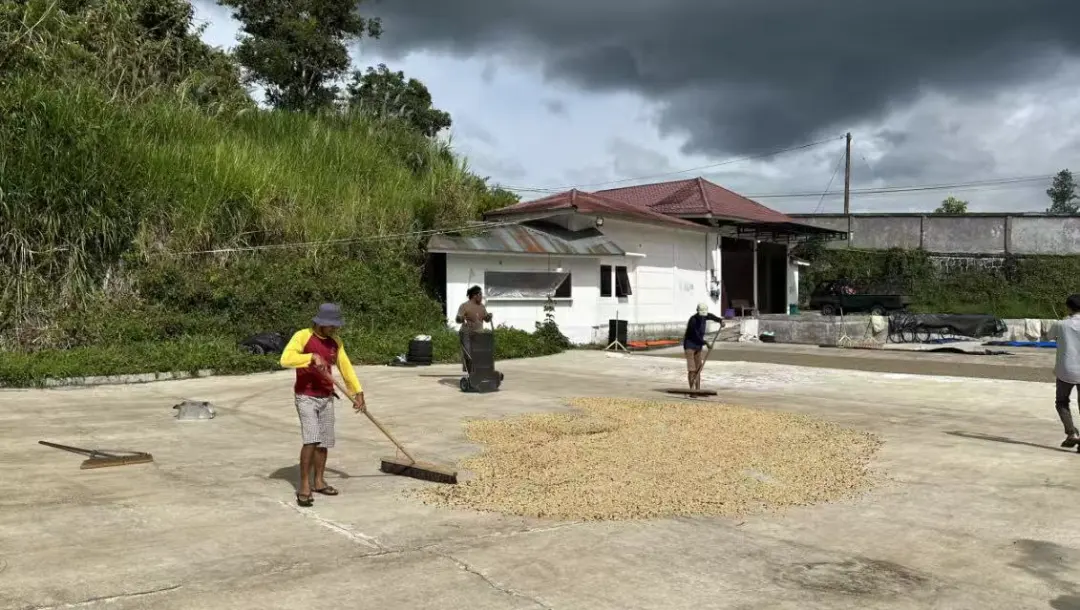
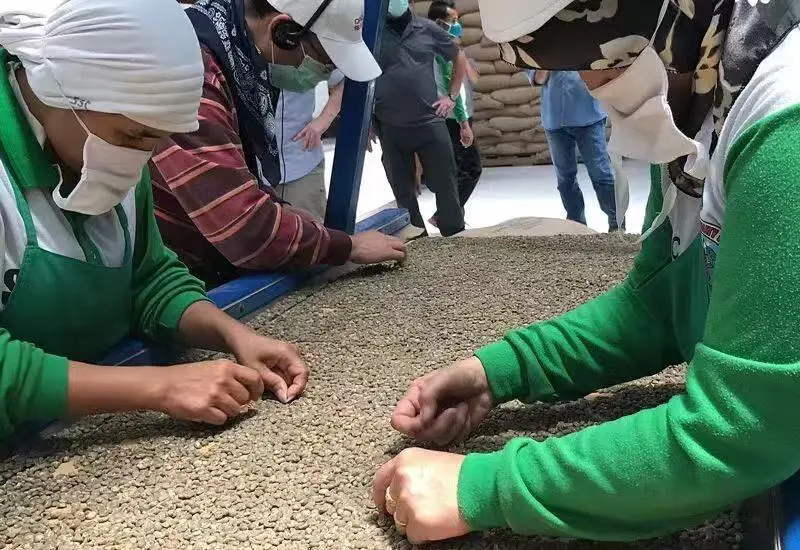
Next, we’ll talk about the premium representative of the Mandheling family—Golden Mandheling. The word "Golden" in its name does not refer to the beans appearing golden in color, but symbolizes the precious quality achieved through its high-standard selection process. Generally speaking, the highest grade of Sumatra Mandheling is G1, and beans in this grade must meet three conditions: bean size of at least 18 mesh, no more than 3 defective beans per 300 green beans, and having undergone three rounds of manual sorting. Golden Mandheling raises the bar even higher—not only requiring bean size to reach 19 mesh and the same three rounds of manual sorting, but also adding an additional mechanical screening process to remove defective beans that are hard to detect with the naked eye, ensuring each bean achieves greater consistency in size, color, and quality.
It’s worth mentioning that this high-specification selection process was established by PWN, the company that first introduced "Mandheling" to Japan. At the time, many coffee products falsely claiming the "Mandheling" name had appeared on the market, so PWN decided to launch a version with superior quality and purer flavor—that is how Golden Mandheling came to be. However, as its popularity grew, various products began to claim to be "Golden Mandheling," some boasting larger beans, others promoting a golden appearance, yet with inconsistent actual quality.
To protect the brand and consumer rights, PWN later registered "Golden Mandheling" as an exclusive trademark and developed a corresponding certification system. Today, only Golden Mandheling produced by PWN is considered authentic, and each batch comes with a certification document. The burlap packaging bags also clearly display PWN’s official logo, allowing consumers to verify authenticity when purchasing. Additionally, it’s recommended to request certification documents from suppliers and inspect the bag markings to ensure you’re buying genuine product.
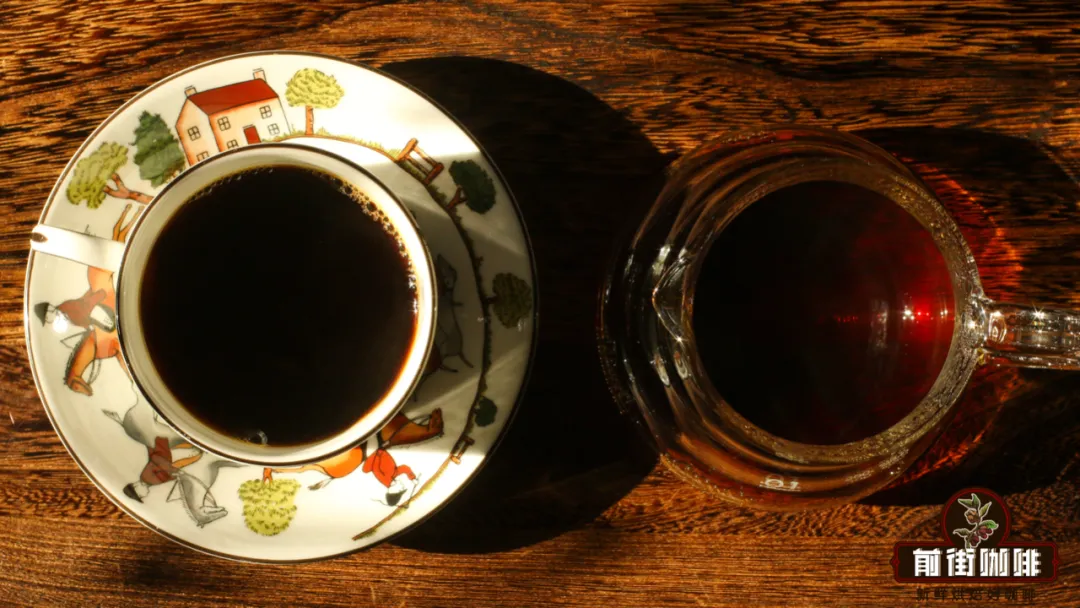
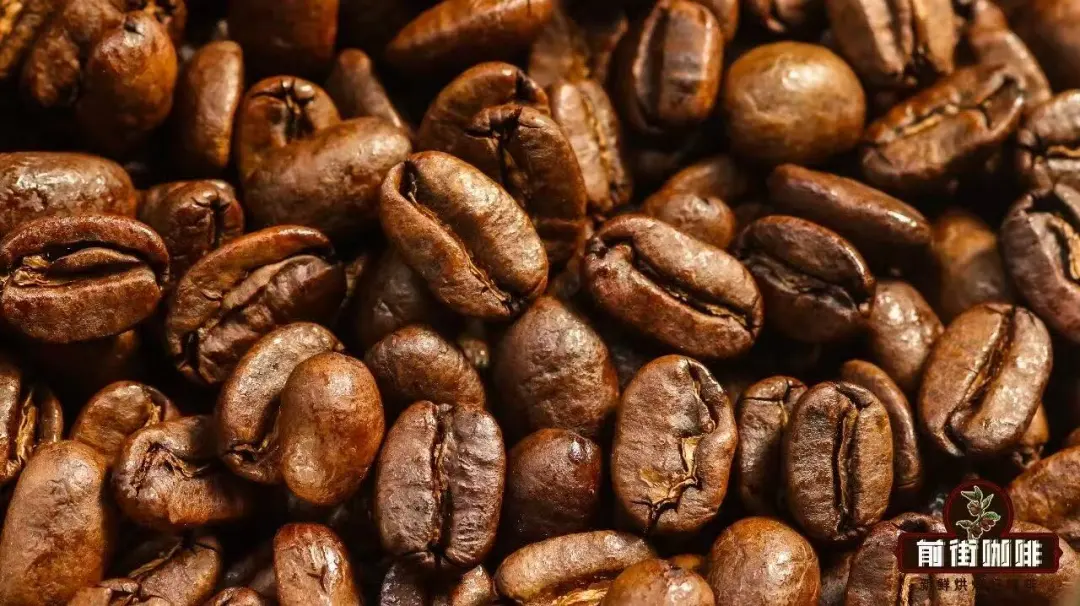
Having said all that, what are the actual flavor differences between Golden Mandheling and regular everyday-grade Mandheling? Through cupping comparisons, it can be found that ordinary high-grade Mandheling (such as everyday Lintong Mandheling) typically exhibits strong regional characteristics, including pronounced notes of pine, chocolate, and toasty bread-like aromas, as well as the heavy earthy tones unique to Sumatran coffee. In contrast, Golden Mandheling presents a cleaner, crisper taste, with flavors mainly consisting of chocolate, nuts, and caramel—gentle roasted notes with fewer off-flavors, a smooth mouthfeel, and a long, lingering aftertaste, delivering an overall more refined experience.
In summary, if you’re seeking the most authentic terroir expression of Sumatran coffee, everyday Mandheling can already meet your needs; but if you value more consistent quality, purer flavor, and fewer defects, then Golden Mandheling is undoubtedly the more advanced choice. Whichever you choose, remember to verify the source and understand the selection standards to truly enjoy the essence of Sumatran coffee.
The above content is compiled by CoffeeHunters, a coffee news website.


