







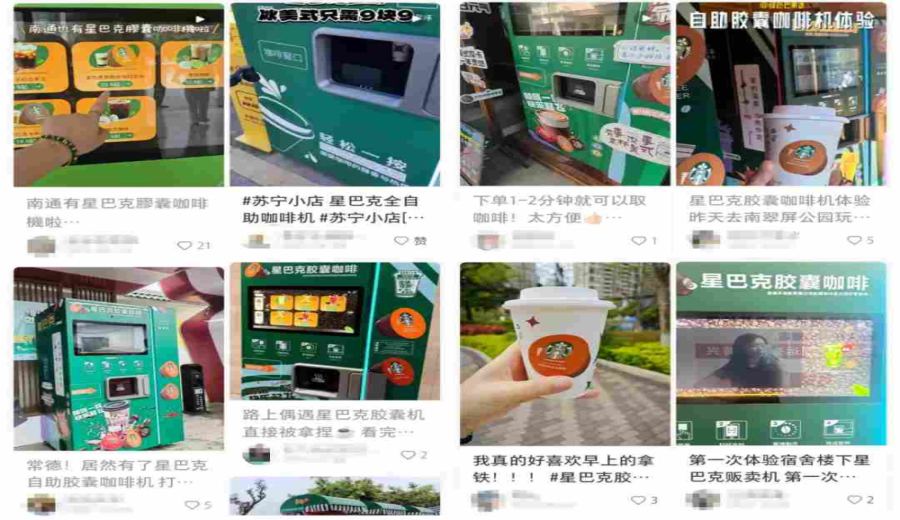
Introduction:Recently, the "Starbucks capsule coffee vending machine" has frequently appeared in shopping malls, office buildings, and even subway stations across various cities. Attracting consumers with prices as low as 9.9 RMB for a try, the machines, however, bear markings related to Nestlé’s Dolce Gusto brand, along with franchise recruitment information. Both Nestlé and Starbucks China have issued statements clarifying that they have not authorized such devices. So, who is actually operating these vending machines? And how can consumers distinguish the genuine ones to avoid mistakenly purchasing non-official products?
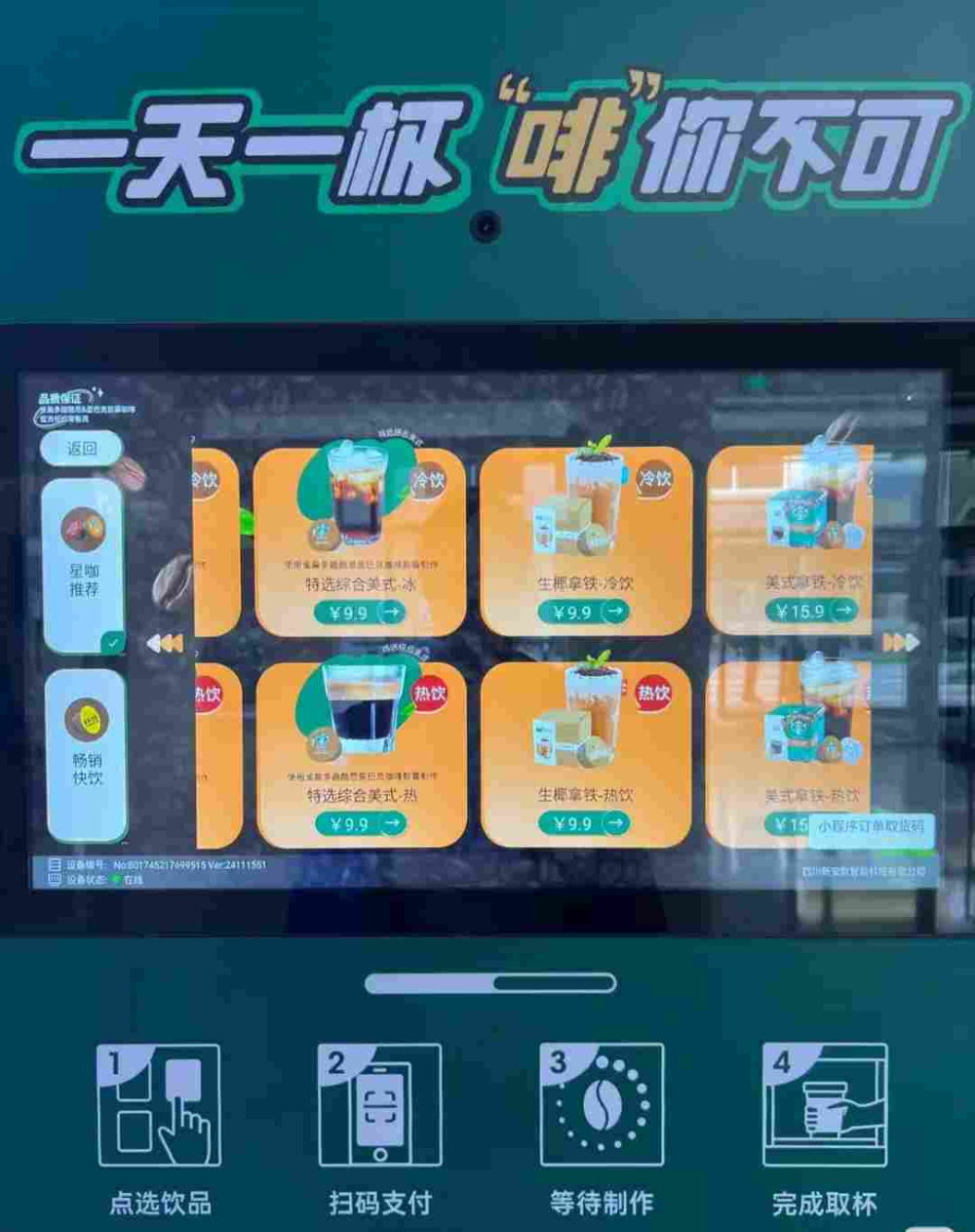
Lately, in public spaces such as shopping malls, office buildings, subway stations, and university campuses, a prominently designed, "Starbucks-branded" capsule coffee vending machine has quietly emerged. With an affordable starting price of 9.9 RMB per cup, it has successfully drawn the attention of many passersby eager to give it a try. The machine features a simple and practical design, mostly placed in high-traffic areas, offering a variety of common coffee options including Americano, latte, and even coconut latte. Operated via a touchscreen interface similar to standard vending machines, it has sparked curiosity and orders from numerous consumers.
Based on consumer feedback and online shared images, these vending machines mostly adopt Starbucks’ classic green color scheme, with the brand logo prominently displayed on the machine. The screen also cycles through Starbucks coffee advertisement videos, and the menu that appears after selection directly lists many familiar drink names, which may easily lead one to assume it’s an official machine. However, attentive customers noticed a small line of text on the machine: "Nestlé Dolce Gusto Authorized Retailer for Starbucks Capsules," sparking further questions about its true origin.
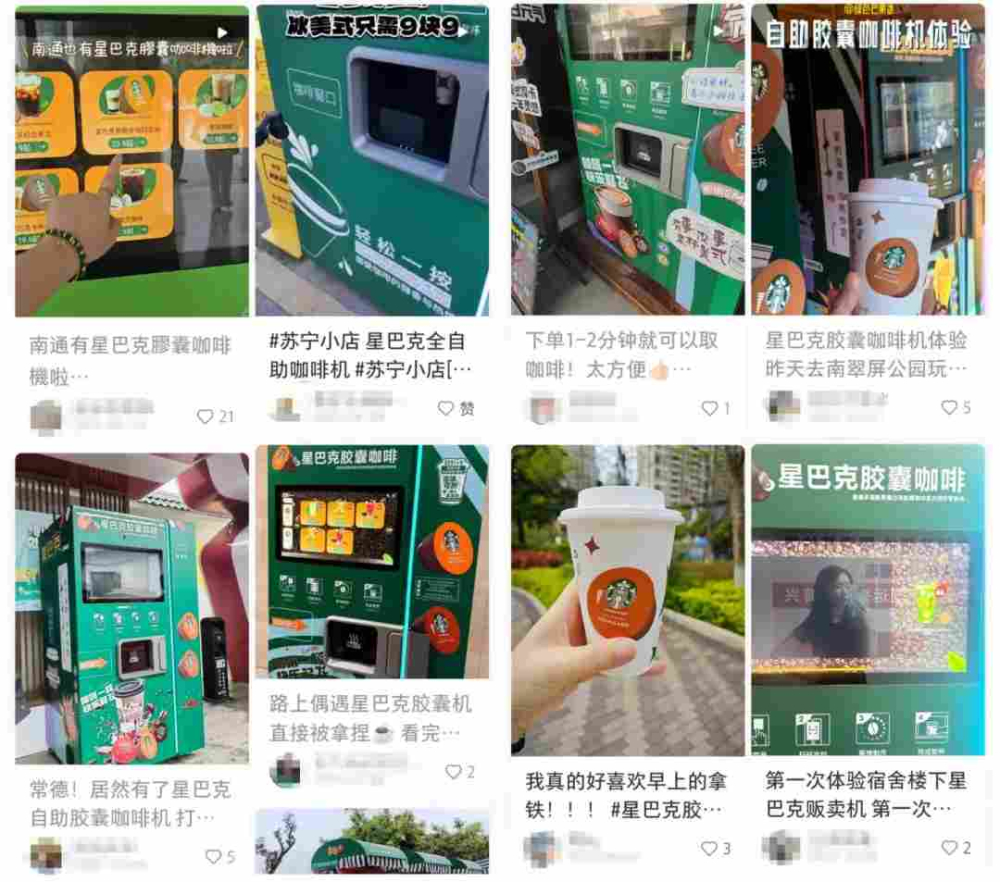
In fact, as early as 2019, Nestlé and Starbucks joined forces to launch the “Starbucks at Home Program” in the Chinese market. Its primary goal was to provide a complete coffee solution for consumption scenarios outside of Starbucks stores, which included branded Starbucks capsules and dedicated capsule machines. Therefore, some observers have suggested that these vending machines might be automated extensions of that partnership project, operated by third parties authorized by Nestlé, but not directly managed by Starbucks.
However, further observation reveals that some vending machines even display contact information for franchise recruitment. Additionally, some consumers reported that after following the on-screen instructions and scanning the QR code, the resulting beverage ordering page had no visual or thematic connection to either the Starbucks or Nestlé brands, raising further doubts about its authenticity. In fact, Nestlé had previously issued a formal statement emphasizing that the “Starbucks Authorized Service Program” has never opened any form of franchising. The program is solely managed by Nestlé and its certified partners, and any non-official channel promoting franchising under the name of “Starbucks Authorized Coffee Service” is considered false information.
In response to the recent craze of these so-called “Starbucks capsule coffee vending machines,” media outlets sought clarification from Nestlé. The company responded that while its capsule coffee brand, Dolce Gusto, had indeed collaborated with Starbucks to launch several co-branded capsule coffee products, the vending machines spotted on the streets are not officially authorized by Nestlé. Similarly, Starbucks China also issued a statement clearly stating that these self-proclaimed "Starbucks capsule coffee vending machines" have not been authorized by the brand. The company has already taken rights protection actions against multiple similar infringement cases in the past and will continue to address such situations according to the law if they occur again in the future.
Industry insiders advise that when faced with attractively priced “branded coffee vending machines,” consumers should pay extra attention to whether the brand authorization information displayed on the machine is clear and official. They should opt for machines with clear brand labeling and authorized information whenever possible, to avoid mistakenly purchasing products from unofficial channels due to low prices—thus affecting both coffee quality and the overall consumption experience.Currently, all capsule coffee machines officially authorized by both Starbucks and Nestlé will clearly indicate the source of authorization on the machine body and in the operation interface, which consumers can use as a basic basis for judgment.
In conclusion, although these self-proclaimed “Starbucks capsule coffee vending machines” attract attention with their low prices and convenience, consumers should remain rational and carefully identify them in the absence of official authorization. Only by ensuring the purchase of truly brand-certified coffee products can one enjoy a consistent and high-quality coffee experience.
The above content is compiled by CoffeeHunters, a coffee news website.


