







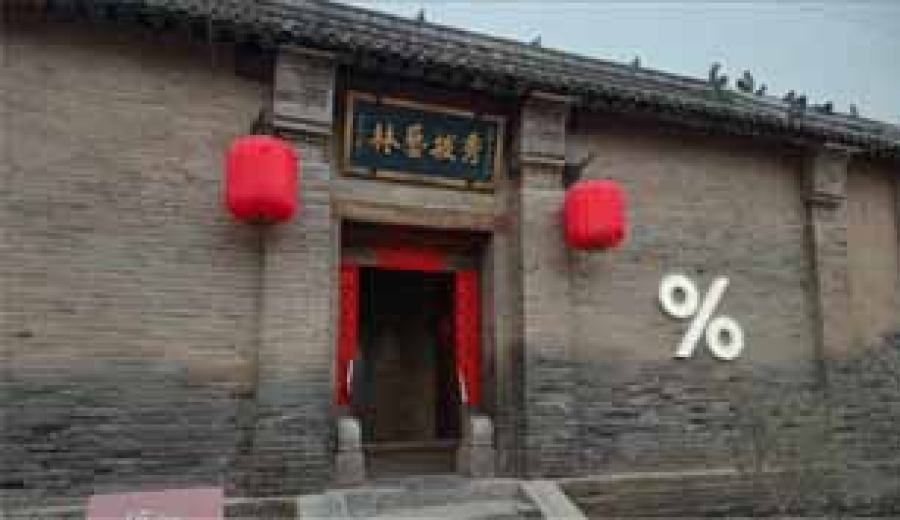
Introduction:The international coffee chain %Arabica has made its first foray into Henan Province by opening a store not in downtown Zhengzhou as expected, but in the historic Qing Dynasty courtyard homes of Weipo Village in Luoyang. The collision between the ancient architecture and the brand’s modern minimalist style has sparked a wave of social media visits. During the Spring Festival holiday, while the store was packed with customers, issues such as long queues, chaotic environments, and lattes served without latte art also emerged. What are the highlights and pain points of this %Arabica located in an ancient house? This article takes you deep into the actual experience and things to note behind this “village invasion” trend.
On the eve of the Lunar New Year, the international coffee chain %Arabica officially announced the opening of its first store in Henan Province. However, instead of setting up in a shopping mall in downtown Zhengzhou as many had anticipated, it chose Weipo Village on the outskirts of Luoyang — a historic site featuring well-preserved Qing Dynasty courtyard architecture. This location not only breaks from the brand’s usual urban commercial district strategy, but the striking visual contrast between the ancient house and the brand’s signature minimalist design quickly turned it into a new hotspot for social media photos.
Many consumers originally thought %Arabica would open its first Henan store in a shopping mall in downtown Zhengzhou. Unexpectedly, the brand opted for a relatively remote yet culturally rich ancient village. Weipo Village is about an hour’s drive from downtown Luoyang, attracting coffee enthusiasts from Zhengzhou, Luoyang, and even Hebei Province who made special trips by car. Especially during the Spring Festival holiday, long queues formed outside the store, making it the hottest “Instagram-worthy coffee spot” in the area.
Photos shared by netizens show that the %Arabica store, located in the Weipo Xin Xu Cultural Tourism Block, features the brand’s classic white logo lightbox on the exterior wall. Inside, although the space is set within a century-old traditional house, the brand maintains its signature modern minimalist interior design, which uniquely blends with the original brick, tile, and wooden beams of the old building. Many customers were amazed, saying, “Seeing the %Arabica sign in such a rustic village is truly beyond expectations.”
However, as customer traffic surged during the Spring Festival, this %Arabica store in the ancient house also drew criticism from consumers regarding service quality and product standards. Many customers reported waiting times of one to two hours, and due to the large crowds, the store environment became chaotic, with complaints about messy tables and coffee powder scattered on the floor.Several customers also mentioned that their lattes, priced at 48 RMB, were not served with latte art, with the explanation given being “the staff are too busy.”
Responses to these customer feedbacks have been mixed online. Some netizens believe that the surge in visitors during the Spring Festival, coupled with limited staffing, makes the long queues and chaotic environment understandable. However, many customers argue that even during peak times, the brand should maintain basic service standards and product consistency — especially since %Arabica has always been known for its stable quality and beautiful latte art. Canceling latte art due to high customer volume has left many long-time fans disappointed,and has even raised questions about the brand’s quality control capabilities.
Some observers have pointed out that the store is actually intended as a short-term pop-up. According to netizens, the shop is expected to operate only until May of this year, which may be why the brand did not allocate long-term, stable manpower or resources to handle the high-traffic period. In response, many netizens suggest that if you want to visit this %Arabica housed in a Qing Dynasty courtyard, it’s best to avoid peak periods like the Spring Festival and opt for weekdays or the off-season. This way, you can enjoy a more comfortable coffee experience and more leisurely appreciate the beauty of the blend between ancient architecture and modern coffee culture.
In summary, %Arabica’s first Henan store has successfully drawn significant attention and social media traffic with its unique location and cultural juxtaposition. However, the service and product issues encountered during the Spring Festival have also sparked discussion. For consumers wishing to experience this “village-based” %Arabica firsthand, it is recommended to plan your visit ahead of time, avoid peak hours, and be mentally prepared for possible wait times and service limitations — to ensure a better coffee experience.
The above content is compiled by CoffeeHunters, a coffee news website.


