








Introduction:Iced drip coffee, with its refreshing and pure taste as well as rich fermented aromas, has become a favorite choice among many coffee enthusiasts. However, the high cost and complicated operation of professional equipment often deter many. This article will delve into the selection of coffee beans for iced drip, the optimal grind size, coffee-to-water ratio, and extraction time, and also provide a simple at-home method without the need for specialized tools, allowing you to easily enjoy high-quality iced drip flavor at home.
Although iced drip coffee is not as widely used as pour over or espresso, its unique clear taste and distinct layers of fermentation have always maintained a loyal following. This cold brewing method, which requires specialized dripping equipment and is a slow process, often feels quite challenging. However, by mastering key techniques, even without professional iced drip brewers, similar effects can be achieved using common filter cones.

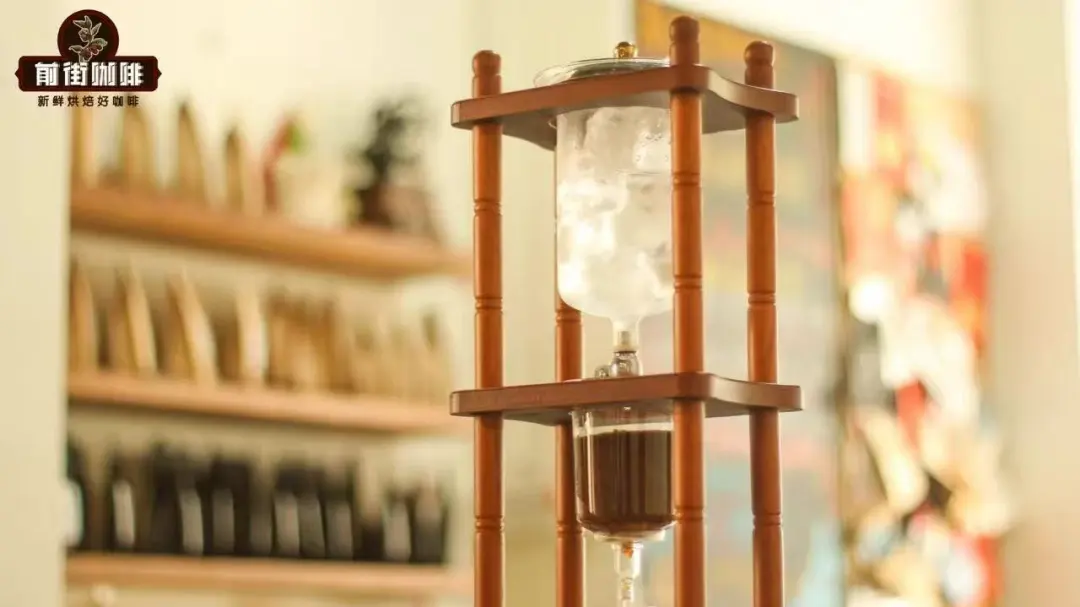
Although commercially available iced drip brewers come in various designs, their core function lies in the “flow restrictor valve”—the device that controls the slow dripping of ice water. Only through stable and slow water flow can the delicate flavors in coffee be fully extracted. In fact, as long as the dripping speed is stably controlled, most containers can temporarily serve as extraction tools, and a filter cone paired with an appropriate container can achieve similar results, without the need to be confined to expensive equipment.
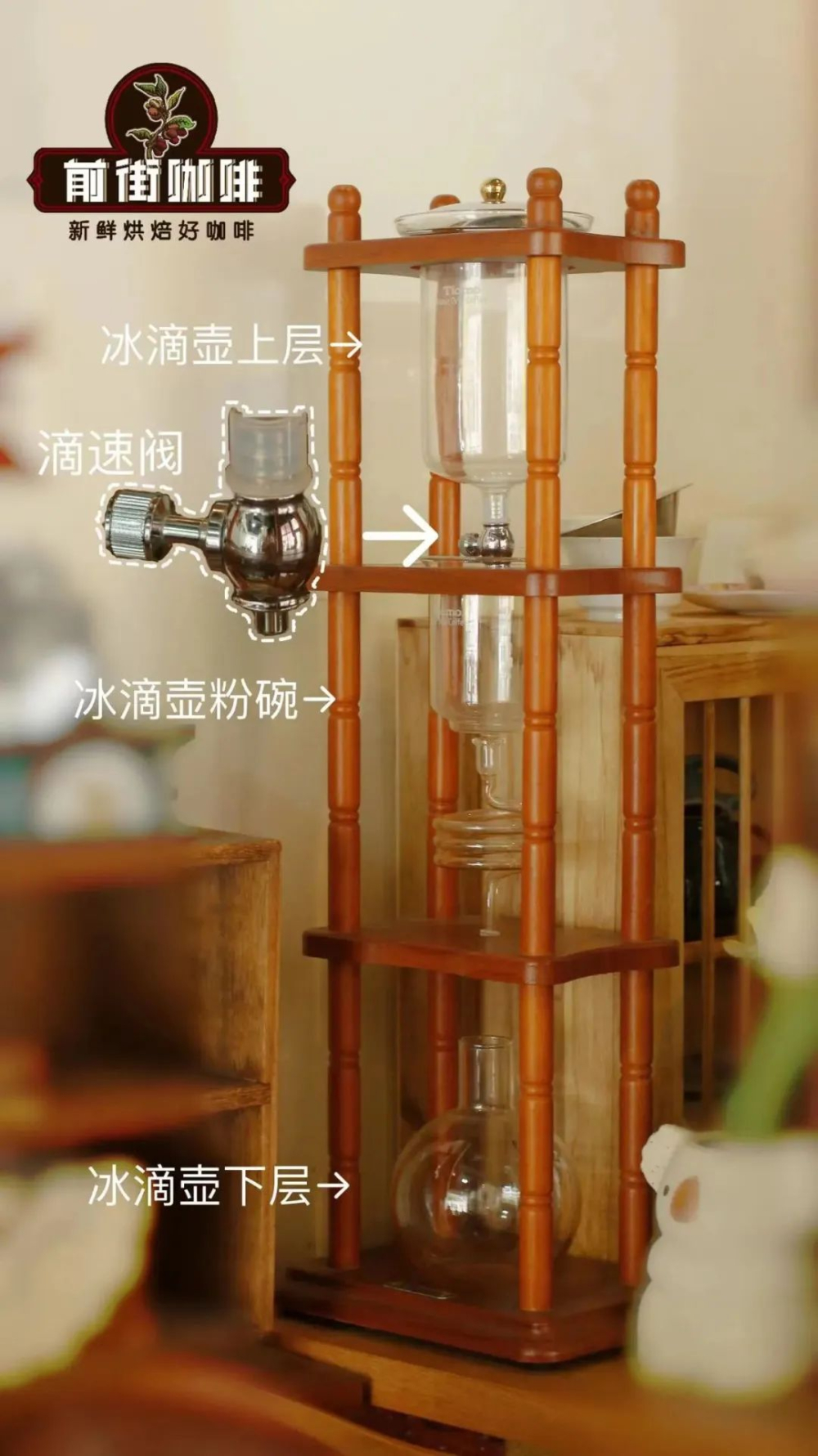
While there is a wide variety of iced drip equipment on the market, most only achieve the flow restriction function through different shapes. Many user-shared “alternative methods” also prove that as long as ice melt is used to provide the water source and the flow rate is controlled via a filter cone, iced drip extraction can be accomplished. When making it at home, the first considerations should be the selection of coffee beans and the setting of extraction parameters.
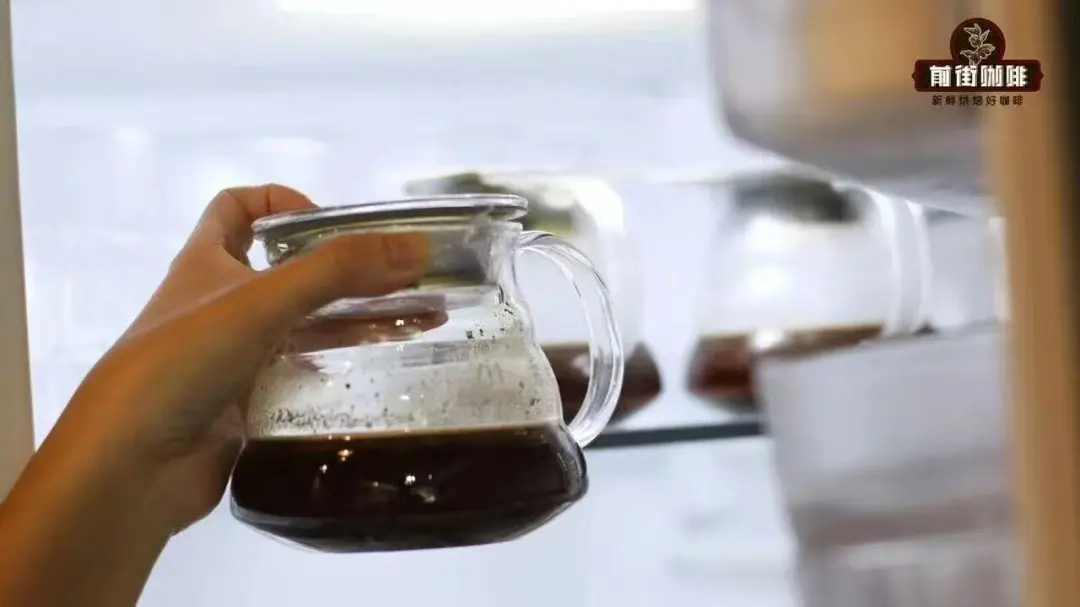
When choosing coffee beans suitable for iced drip, it’s recommended to start from personal preference. If you enjoy prominent fruity aromas, high acidity, brightness, and notes of wine or berries, you may prioritize processing methods such as natural, honey, or anaerobic fermentation, and select beans with light to medium-light roasts, such as commonly seen Ethiopian Huila, Sidamo, or Small Tomato varieties—these beans often exhibit tropical fruit flavors and delicate fermented aromas. If you prefer soft floral notes and a refreshing, balanced taste, medium-light roasted washed beans such as Panamanian Geisha, Guo Ding Ding, or Mozart would be more suitable choices. If you’re aiming for a rich, low-acid flavor profile, such as chocolate, nuts, and creamy textures, then medium-dark roasted beans like Indonesian Golden Mandheling, Queen Estate, or Bird of Paradise are recommended.
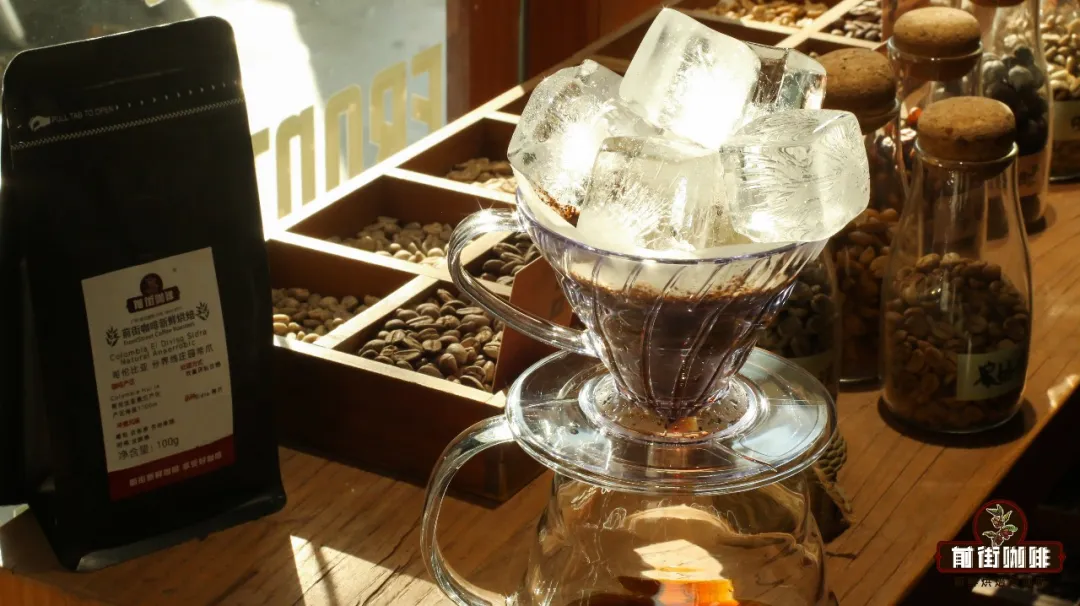
After determining the bean variety, the next step is to focus on key extraction parameters. Iced drip coffee does not require water temperature adjustment, and the grind size can refer to general pour over settings, mostly falling between medium-coarse and coarse. What truly needs special attention is the coffee-to-water ratio and total extraction time. If you plan to add ice cubes later for drinking, it’s recommended to increase the concentration, reduce the total liquid volume, and extend the extraction time. If you prefer to drink it directly, you can increase the water amount and reduce the time for a fresher expression.
Taking practical experience as an example, if the goal is a concentrated flavor with subsequent addition of ice cubes, a 1:10 coffee-to-water ratio can be used. Based on 50 grams of coffee grounds, the total extraction time is about 4 hours. If using two filter cones or increasing the capacity, the ratio and time can also be adjusted as needed.
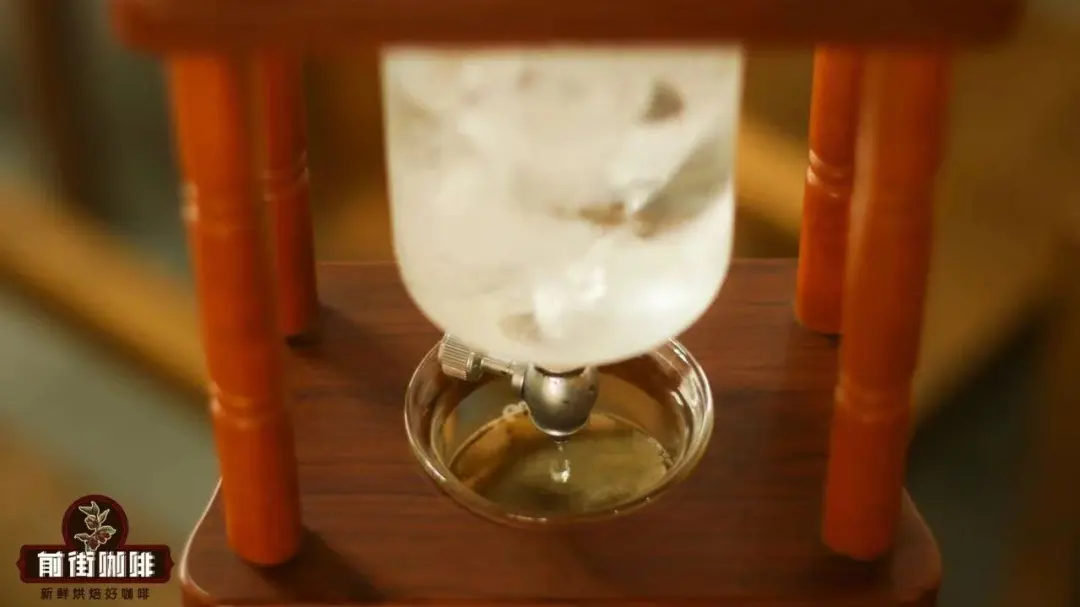
If you don’t have a professional iced drip brewer at home, a simple alternative method can also be used in practice. You’ll only need one or two filter cones, filter paper, ground coffee, ice cubes, a sharing pitcher or any container, and a sealed bottle. If you only have one filter cone, you can place the coffee grounds in the cone, lay a filter paper on top, and then directly place ice cubes above it. If using a double filter cone system, you can place the coffee grounds and ice cubes separately, separating them with filter paper in the middle. The amount of coffee grounds is recommended to be adjusted according to the container size—about 25 grams for a single filter cone, and around 30 grams for a double filter cone setup.
The actual operation steps are as follows: First, place the filter paper into the filter cone and wet it to help the coffee grounds spread evenly and stabilize the structure. Then pour in the coffee grounds and gently wet them again to facilitate even penetration of the ice water later. Next, cover all the coffee grounds with two layers of filter paper to ensure that the dripping ice water does not directly impact the coffee layer. Place an appropriate amount of ice cubes on top of the filter paper (or in the second filter cone, also covered with filter paper), and wait for the ice to naturally melt and slowly extract the coffee. Once the desired liquid volume is reached, remove the filter cone, pour the coffee liquid into a sealed bottle, and it’s recommended to refrigerate and let it sit for more than 8 hours to further enhance aroma complexity through fermentation. Afterwards, you can enjoy the long-lasting flavor of your iced drip coffee.
The above content is compiled by CoffeeHunters, a coffee news website.


