








Introduction:The flavor of espresso can vary daily due to bean condition or environmental humidity, making it confusing to manage. This article will guide you from practical operation—by observing extraction time and flavor characteristics—to determine whether extraction is under-extracted or over-extracted. Then, by flexibly adjusting the three key variables: grind size, dose, and yield, and using the classic 1:2 coffee-to-water ratio and a 30-second extraction baseline, you can quickly pull a balanced and rich espresso without repeated trial and error, significantly improving extraction stability.
Have you ever encountered situations where, despite using the same coffee beans, the espresso extracted always falls short of ideal flavor due to differing climate or storage conditions? One of the first challenges baristas face when opening shop in the morning is often how to adjust parameters to ensure each shot of espresso delivers stable and satisfying taste. In fact, mastering just a few core techniques allows you to quickly calibrate extraction flavors, avoid wasting beans, and save yourself from headaches caused by endless grind adjustments.

There are many factors that influence the extraction performance of espresso, with the most common variables including the daily water activity of the coffee beans, indoor temperature and humidity, and even the wear level of the grinder burrs. As a result, even the same batch of beans can yield vastly different extraction results from one day to the next. To maintain consistent output quality, the key lies in being able to quickly diagnose issues and precisely adjust extraction parameters.
Many beginner baristas struggle the most with knowing where to begin making adjustments. Often, after fiddling for a long time, they end up either over-extracting or under-extracting—not only wasting beans but possibly also testing the patience of customers. In reality, by learning to identify flavor trends through the process of "tasting," you can effectively pinpoint the core issue. Then, by adjusting grind size, dose, and extracted liquid weight, you can quickly bring the espresso back to an ideal state. Next, we’ll break down the tricks step-by-step.
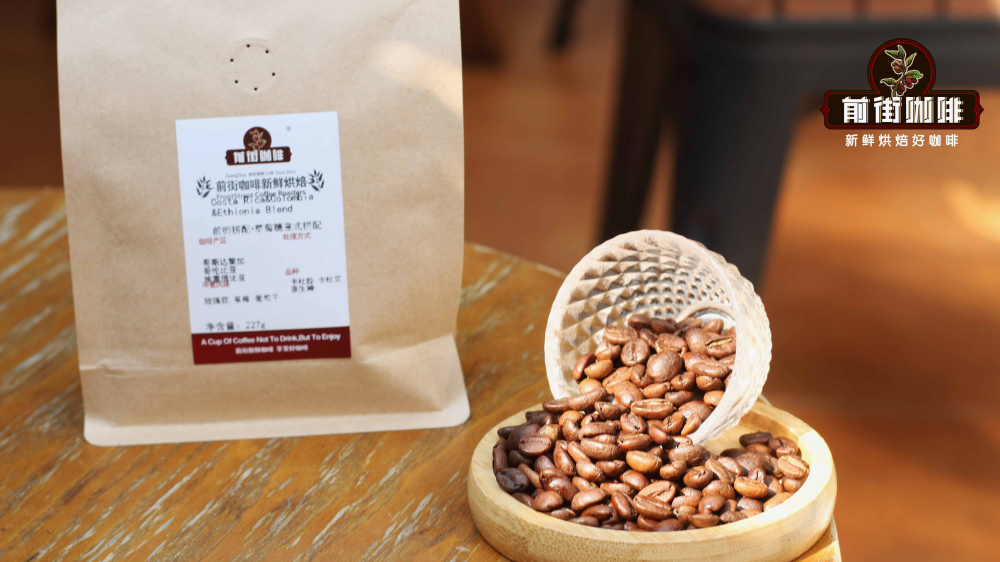
Under fixed coffee-to-water ratios, unpleasant-tasting espresso can generally be categorized into two types: under-extraction and over-extraction. When under-extracted, you’ll notice a pronounced sour sharpness, thin body, lack of sweetness, and overall flat flavor with little complexity. Over-extraction, on the other hand, often brings out obvious bitterness, astringency, and off-flavors, making the coffee taste heavy and unpleasant.
Under-extraction usually means that the soluble substances in the coffee grounds—especially those that contribute sweetness and body—have not been fully extracted. When these compounds are lacking, acidity becomes prominent and unbalanced, while the overall concentration remains low, giving the coffee a watery feel. Conversely, over-extraction dissolves too many high molecular weight impurities, causing bitterness and undesirable off-notes to overshadow the coffee’s inherent elegant flavors.

Now that we know where the problems may lie, the next step is how to adjust quickly. First, it’s recommended to adopt a classic and stable extraction benchmark: a 1:2 coffee-to-water ratio, with extraction time controlled around 30 seconds. For example, using 20 grams of coffee grounds, aiming for a yield of 40 milliliters. This ratio not only presents good concentration but is also a common reference standard used by many professional shops and competitions.
This set of parameters ensures that the coffee extraction yield falls within a reasonable range, avoiding excessively extreme extraction states. Using this as a foundation for fine-tuning not only makes it easier to control extraction outcomes but also reduces the risk of failure and waste. What many experienced baristas refer to as the “three-adjustment grind method” is essentially making precise tweaks based on this formula, helping you find the optimal grind size with minimal attempts.
Among the three key variables—dose, grind size, and yield—dose and yield are usually limited by equipment or recipe constraints, allowing for limited adjustment range. Therefore, the most flexible and crucial factor is the grind setting. Grind size directly determines how quickly water flows through the coffee puck, thereby affecting extraction time and efficiency. When the grind is finer, water flow slows down, extraction time increases, and extraction yield goes up. Conversely, a coarser grind speeds up extraction but may lead to under-extraction.

Here’s a real-world example: Suppose you’re using 20 grams of coffee, aiming for a 40-milliliter yield, but find that the extraction time is only 23 seconds—far below the recommended 30 seconds—and the resulting espresso tastes sharply acidic and thin-bodied, clearly under-extracted. In this case, you can try adjusting the grinder two notches finer to slow the water flow and extend extraction time. After re-extraction, if the time lands around 31 seconds and the flavor becomes more balanced—with the aftertaste slightly bitter but the overall profile noticeably improved—you’re close to achieving the ideal extraction state.
If the aftertaste bitterness is still somewhat noticeable, you don’t need to make major grind adjustments again. Simply reducing the yield by about 1–2 milliliters, or slightly decreasing the dose by 0.2–0.3 grams, can further lower the extraction yield and create a more balanced overall flavor. These subtle adjustments are often the crucial step from “ordinary” to “excellent.”
In summary, adjusting espresso extraction flavor isn’t as difficult as it seems. The key lies in establishing a reasonable reference standard and systematically observing and tasting to identify issues. By mastering the foundational structure of a 1:2 coffee-to-water ratio and 30-second extraction time, flexibly using grind adjustments, and understanding the logic behind changes in acidity, sweetness, bitterness, and off-flavors, you too can achieve an ideal shot—rich, balanced, and full of flavor—in just a few attempts.
The above content is compiled by CoffeeHunters, a coffee news website.


