







Introduction:Learn about two common post-harvest coffee processing methods—natural (sun-dried) and honey processing—from their workflows, fermentation levels to drying techniques. This article delves into how they influence final flavor and sweetness. It also breaks down the differences between white honey, yellow honey, red honey, and black honey, helping you choose the right beans based on your preference and master their flavor profiles and brewing essentials.
In the world of specialty coffee, processing is one of the key factors that define a coffee’s flavor profile. Natural and honey processing are two time-honored and distinctive post-harvest methods that not only affect drying time but also directly influence the coffee’s sweetness, acidity, and aromatic expression. This article will thoroughly analyze the processing steps, fermentation characteristics, drying strategies of both, and compare their flavor differences, taking you from the ground up to understand the intricacies of these two techniques.
[Natural Processing] Intense Fermentation Under the Sun
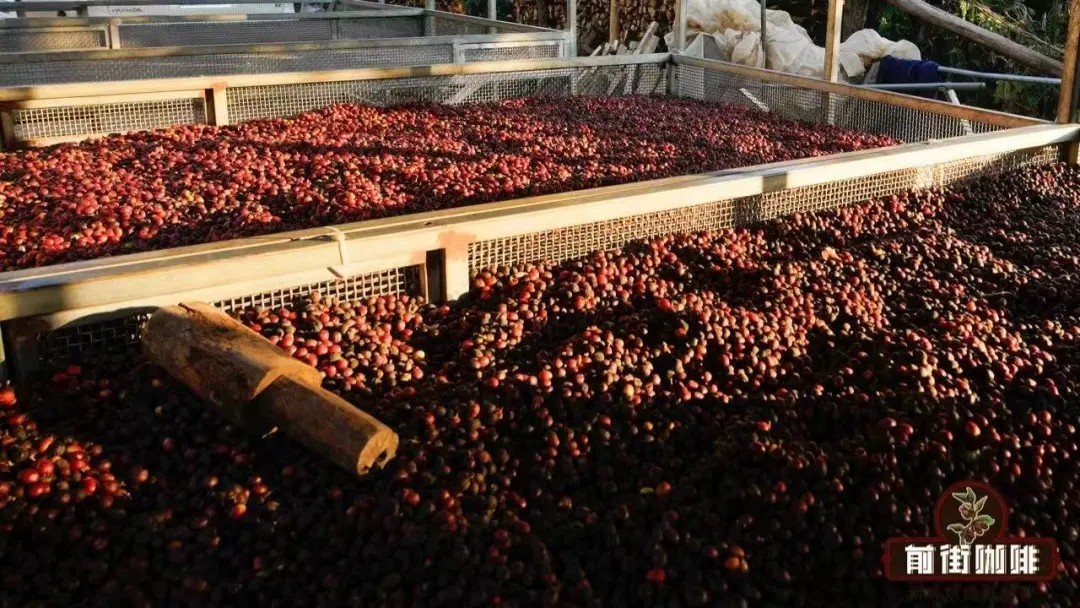
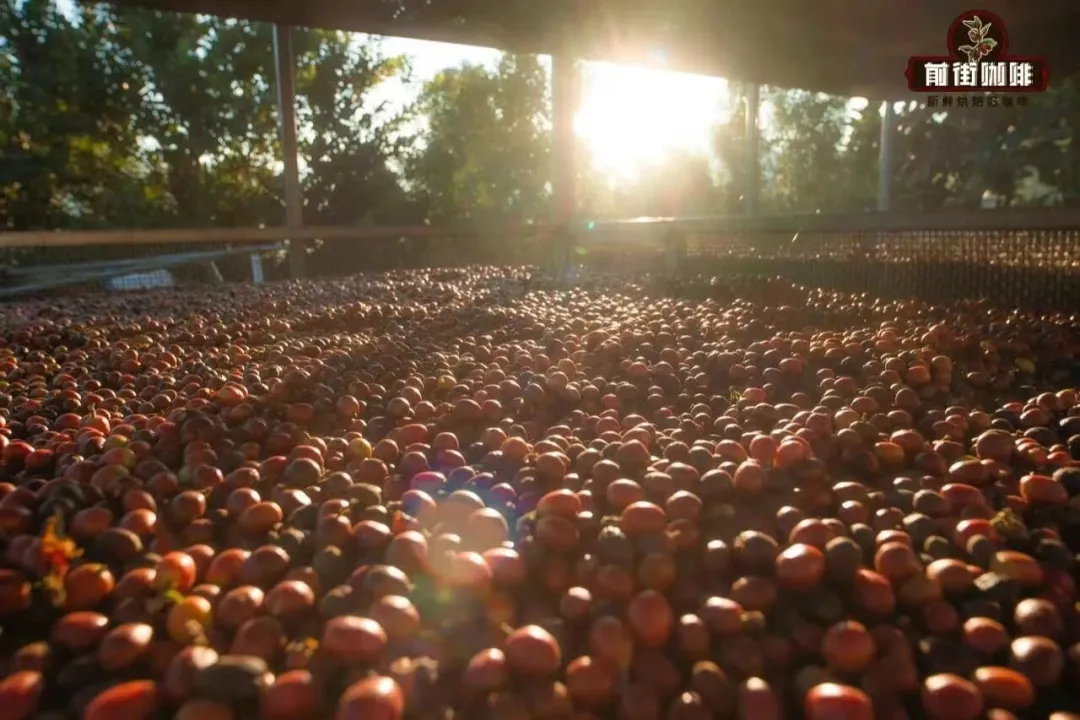
Natural processing (Natural Process) can be considered the most traditional and nature-dependent method of coffee processing. The principle is simple: the whole coffee cherry, including its pulp and parchment, is placed directly on drying beds to allow the sun to slowly evaporate the moisture, usually taking three weeks or even longer. This technique is highly reliant on climate and is particularly suitable for regions with abundant sunlight, such as Ethiopia and Brazil.
Since the entire fruit participates in the drying process—including the pulp, mucilage, and the seed (i.e., the coffee bean)—all ferment simultaneously, natural-processed coffee often exhibits more intense aromas, fuller body, and complex layers of fruitiness. The degree of fermentation can vary depending on weather, frequency of turning, and other conditions: lighter fermentation tends to yield bright, fruity notes, while heavier fermentation may release the sweet aroma of tropical fruits, even with a slight wine-like quality. In some Central American regions, farmers use shaded structures to extend drying time, precisely controlling the fermentation process to achieve more unique flavor expressions.
[Honey Processing] Quick Drying and the Magic of Mucilage
Honey processing (Honey Process or Miel Process), originating in Costa Rica, gets its name from the word “honey,” though it has nothing to do with actual honey. Instead, it refers to the sticky, sugar-rich mucilage layer on the surface of the coffee bean during drying, which oxidizes to take on a honey-like color and texture.
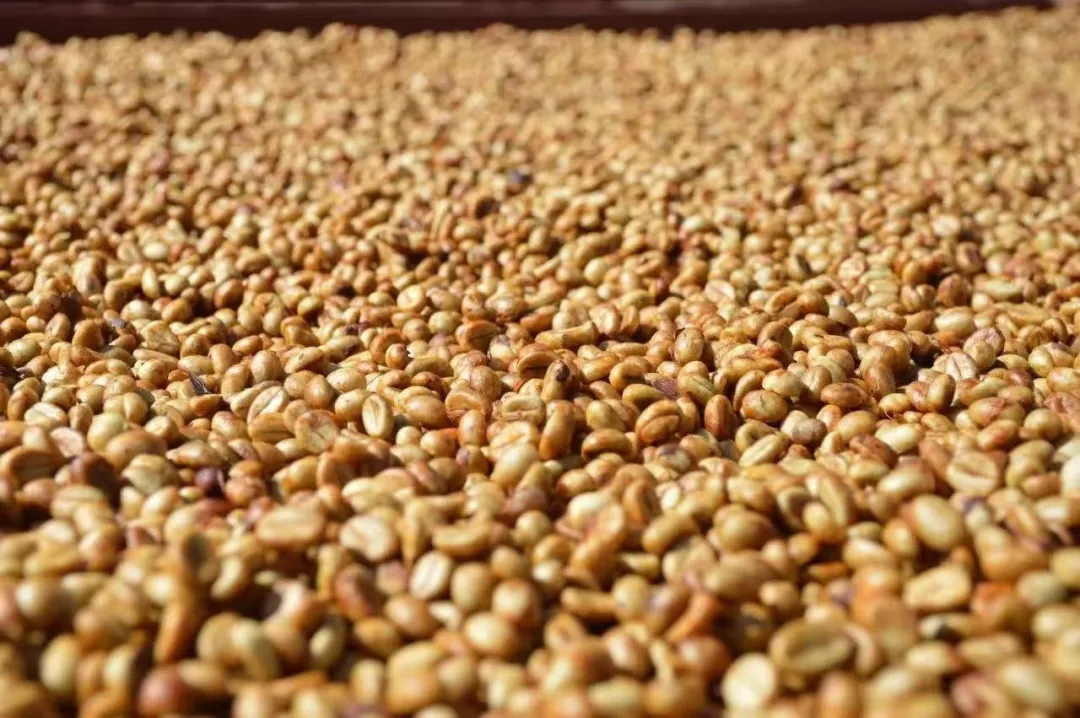
The honey processing workflow is slightly more involved than natural processing but remains simpler compared to other wet processing methods. First, the outer skin and pulp of the coffee cherry are removed, leaving varying amounts of the inner mucilage intact. Then, the mucilage-covered beans are dried. Since the main sources of excess moisture—the skin and pulp—are removed, the overall drying time is shortened, typically around two weeks, although this can still depend on the amount of mucilage left and weather conditions.
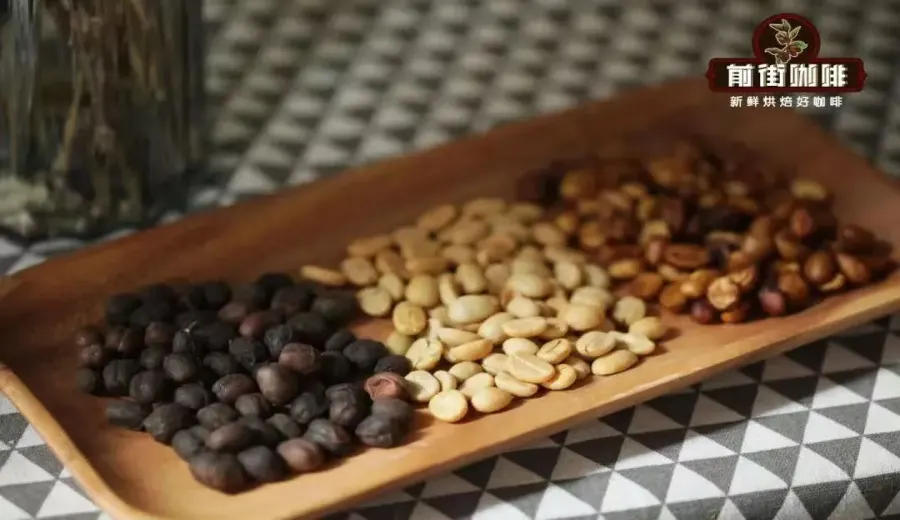
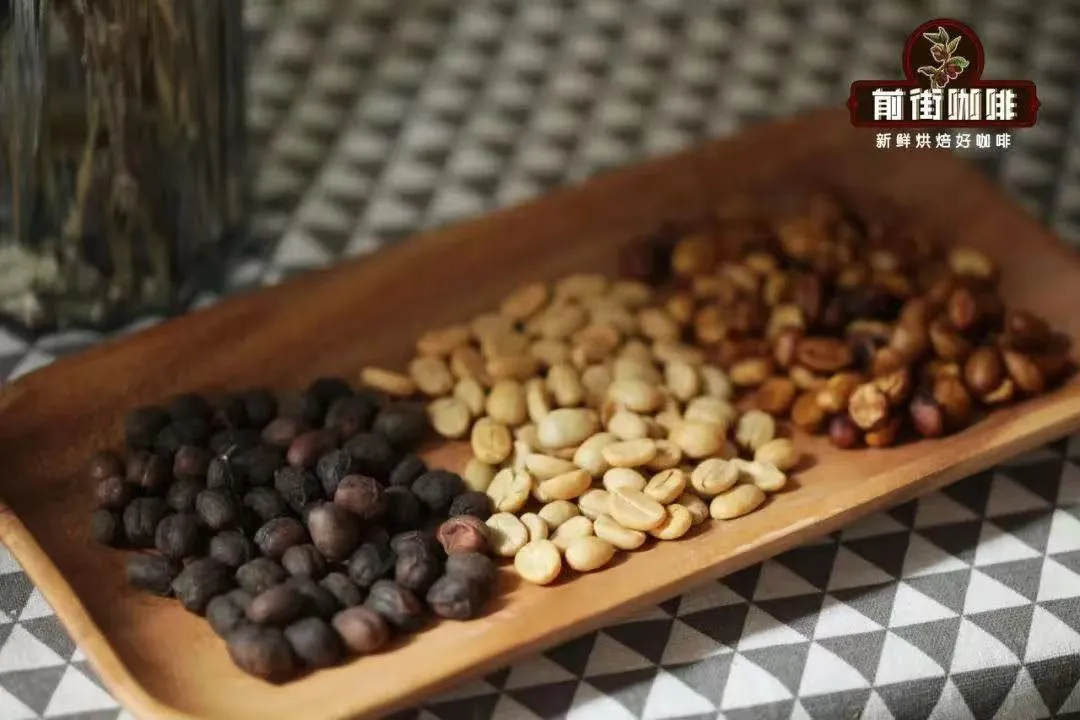
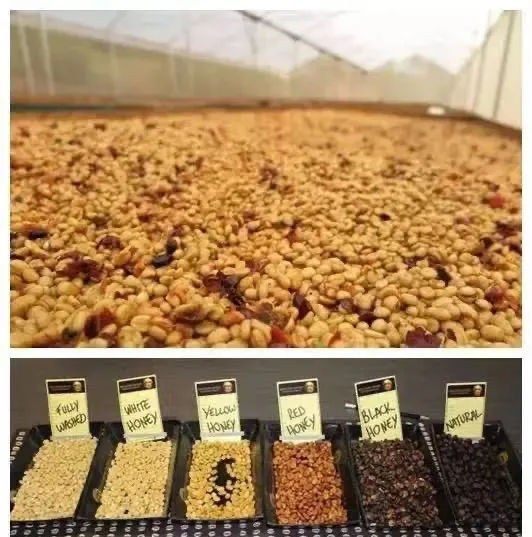
The most distinctive feature of honey processing is the ability to adjust the final flavor profile by controlling the proportion of mucilage retained. Common classifications include white honey, yellow honey, red honey, and black honey, each corresponding to different levels of mucilage retention—white honey has the least, while black honey retains nearly all of it. Rich in natural sugars, the mucilage continues to undergo fermentation reactions during drying, influencing not just sweetness but also enhancing the intensity and complexity of the flavors. Generally speaking, the more mucilage retained, the more pronounced the sweetness, and the closer the flavor profile is to that of natural-processed coffee.
[Drying Strategies and Subtype Differences]
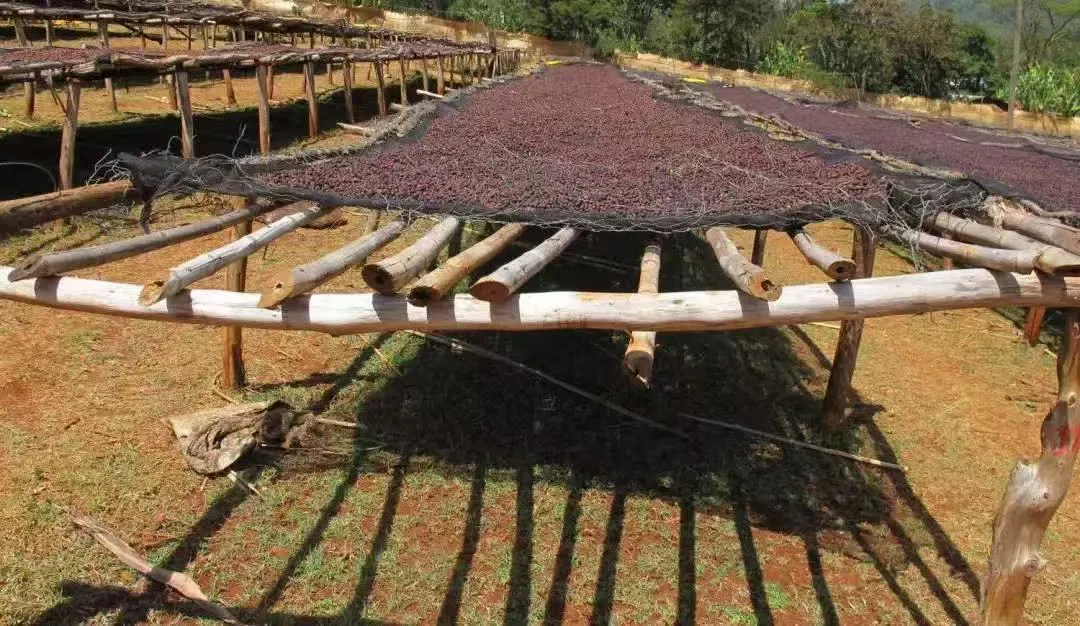
The drying environment for natural processing varies widely, with common setups including African-style raised beds, concrete patios, or even flat rooftop areas. The key is to ensure good ventilation and even heat distribution. Turning the coffee cherries during drying is a crucial step in the natural process, helping to prevent mold and ensure consistent drying.
Although honey processing has a shorter drying time, it still requires close attention to temperature and humidity changes. Due to the presence of the mucilage layer, honey-processed coffee is more sensitive to environmental conditions, so farmers often use shade nets or adjust pile thickness to stabilize the drying rate. Moreover, the differences among white honey, yellow honey, red honey, and black honey lie not only in drying duration but also in the resulting aroma layers, acidity brightness, and sweetness intensity, offering consumers a diverse range of choices.
[Where Does Sweetness Come From? A Full Analysis of Influencing Factors]
Many people wonder: which is sweeter, natural or honey processed coffee? In fact, coffee sweetness isn’t determined by a single factor. Variety, growing altitude, ripeness, processing method, and subsequent roasting all influence the sugar content and flavor expression in coffee.
Generally speaking, the processing method affects the production of aromatic compounds and sugar conversion during fermentation. Natural processing, involving whole-fruit fermentation, typically accumulates more sugars and fermentation by-products, resulting in more pronounced sweet aromas and a fuller body. Honey processing, due to the retention of varying levels of mucilage, also performs well in sweetness, often accompanied by clear fruit notes and higher acidity brightness. However, sweetness is often fully perceived only when balanced with acidity and aroma, so it’s not accurate to simply compare which one is “sweeter.”
[Bean Variety Recommendations and Flavor Characteristics]
If you’d like to experience the difference between natural and honey processing firsthand, try some representative coffee varieties. For example, natural-processed beans from Ethiopia often showcase tropical fruit flavors like mango, pineapple, and lychee, along with distinct fermentation aromas, offering a rich and layered flavor profile. On the other hand, Costa Rica’s black honey-processed beans are dominated by grape, berry, and floral notes, with standout sweetness and a clean mouthfeel, making them classic representatives of honey-processed coffee.
In summary, natural processing, with its full fermentation, yields intense flavors and complex aromas, making it ideal for those who enjoy a full-bodied taste and explosive fruit character. Honey processing, on the other hand, balances mucilage sweetness with clean acidity, offers great processing flexibility, and efficient drying—making it a practical choice for many medium-sized producing regions. Whichever you choose, each delivers a distinctly unique coffee experience.
The above content is compiled by CoffeeHunters, a coffee news website.


