







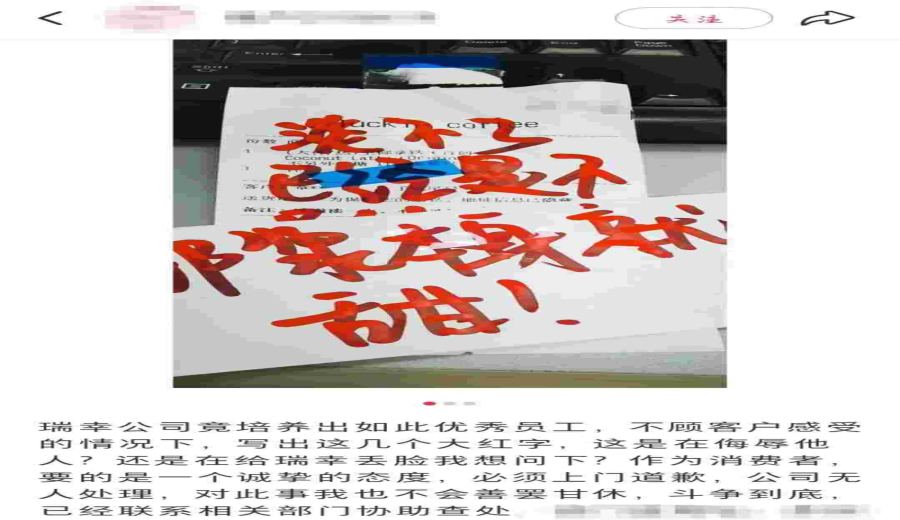
Introduction:When a customer wrote “make it lighter in flavor” on their coffee order, they received a hand-written receipt in red pen with detailed explanations from the barista. A misunderstanding arising from the communication style escalated into a viral customer complaint online. This dispute at a chain coffee shop not only highlights the limitations of beverage customization but also sparks public discussion on how service industries handle feedback. This article delves into the full story, exploring advice for baristas dealing with special orders and how customers can more effectively communicate their preferences.
A coconut latte with the note “make it lighter in flavor” unexpectedly sparked customer dissatisfaction due to a receipt covered in large red marker handwriting, eventually turning into a customer complaint that drew attention from social media and the media. What began as a minor flavor request at a well-known chain coffee shop escalated into a public focal point—simply because of how the barista responded.
According to the customer’s post on social media, she ordered a coconut latte and specifically noted in the order comments that she hoped it would be “lighter in flavor,” expecting some adjustment in sweetness or strength. However, when she received her drink, she found a prominent message written in bright red ink on the accompanying receipt: “Can’t make it lighter — no extra sugar added.” The text was large and eye-catching. The customer further revealed that the barista, seemingly concerned the explanation wasn’t clear enough, added another blank receipt that stated: “Coconut milk is already sweet!” This response left the customer who had hoped for a flavor adjustment feeling quite upset.
The customer explained that she understood there might be limitations in beverage preparation, but if her request could not be accommodated, the barista should have called to explain rather than respond with what she felt was a “disrespectful” red-inked receipt. She emphasized that as a consumer, she expected a more sincere response from the shop, even going so far as to demand that the store “must come to apologize in person.” If no satisfactory resolution was reached, she added that she had already contacted the relevant authorities for assistance.
After media involvement, staff at the involved shop confirmed the details of the incident. They explained that due to an exceptionally high volume of orders at the time, it was truly impossible for baristas to call each customer individually, so they opted to provide explanations in writing on the order receipts. Additionally, the staff pointed out that the coconut latte ordered did not have any extra sugar added, and its base recipe was fixed, making it genuinely difficult to make it any lighter. It was precisely because of these technical constraints that the barista chose to write the explanation on the receipt. However, the use of a red marker, combined with the large font size, ended up making the customer feel offended.
In response to the controversy, the shop stated that they had already communicated with the customer by phone and offered an apology. However, regarding the customer’s insistence on an “in-person apology,” the shop said the matter would be further discussed and negotiated with the person in charge to find a mutually acceptable solution.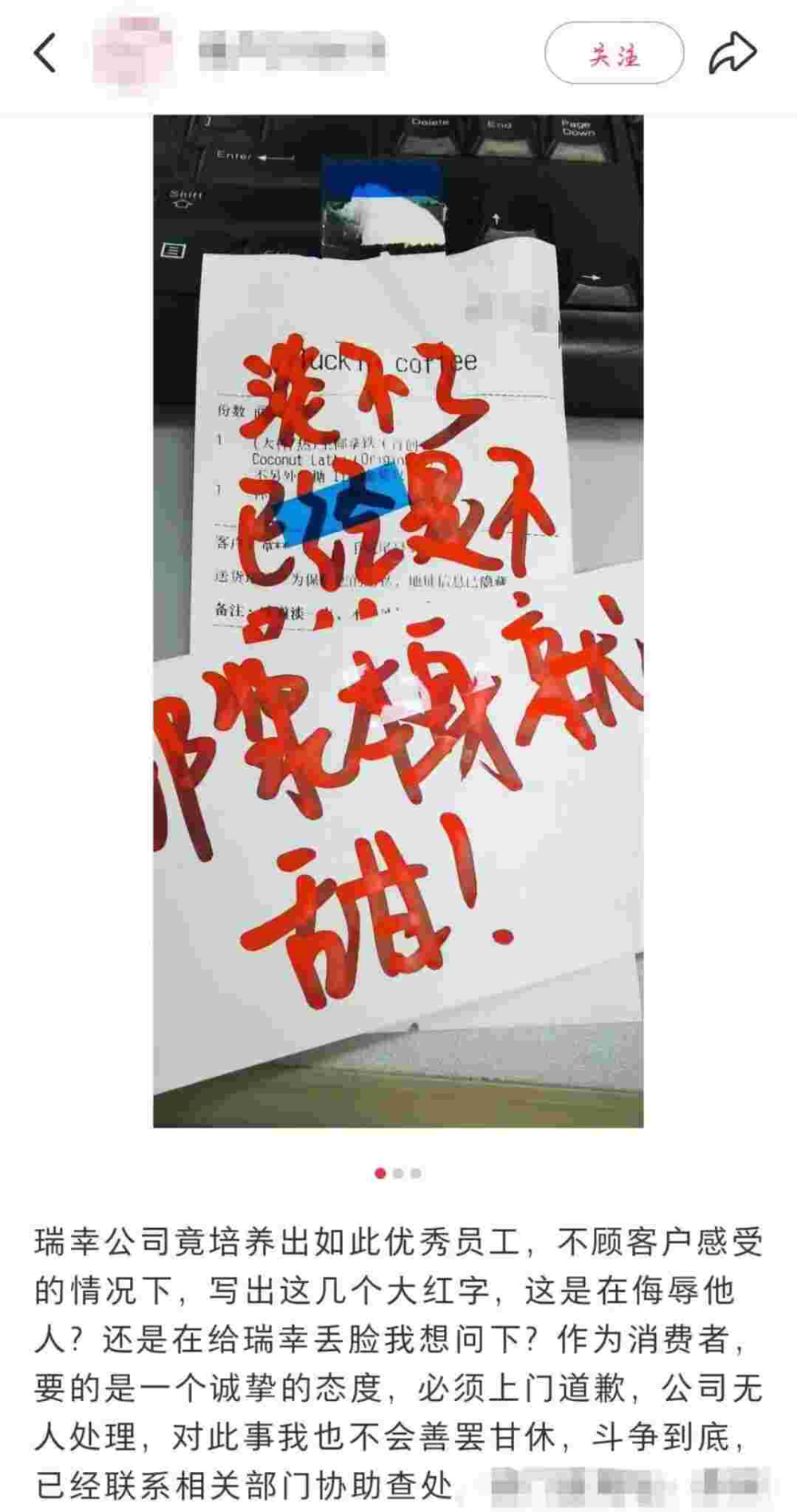
This red-receipt incident quickly went viral online, drawing sharply divided reactions from netizens. Some felt the use of red ink was indeed off-putting, commenting things like “big red letters look scary” and “writing receipts in red pen is inappropriate,” adding that even if the customer’s request couldn’t be met, a gentler way of explaining should have been used. Others, however, felt the customer’s reaction to the red text was excessive, saying “the words were just explaining the situation, and there was no need to turn it into a personal attack.”
Additionally, professionals from the tea and beverage industry shared practical insights during the discussion. They pointed out that many shops use thick-tip markers originally designed for marking cardboard boxes or packages, which tend to have very vivid colors. Writing too small can actually make the text blurry in a busy work environment. When handling a high volume of orders, if baristas can’t quickly find other pens, they may resort to using these brightly colored markers—not out of any intent to offend the customer, but simply to ensure the information is clear and legible.
This dispute triggered by a coffee order note reminds us that there are many technical and communication nuances between beverage preparation and customer service. For baristas, balancing technical constraints with customer expectations when faced with special requests is a nuanced communication skill that requires continual learning. For customers, understanding the basic limitations of beverage preparation and expressing their needs constructively are equally vital in fostering a positive consumption experience.
The above content is compiled by CoffeeHunters, a coffee news website.


